
Health Systems Operations Projects
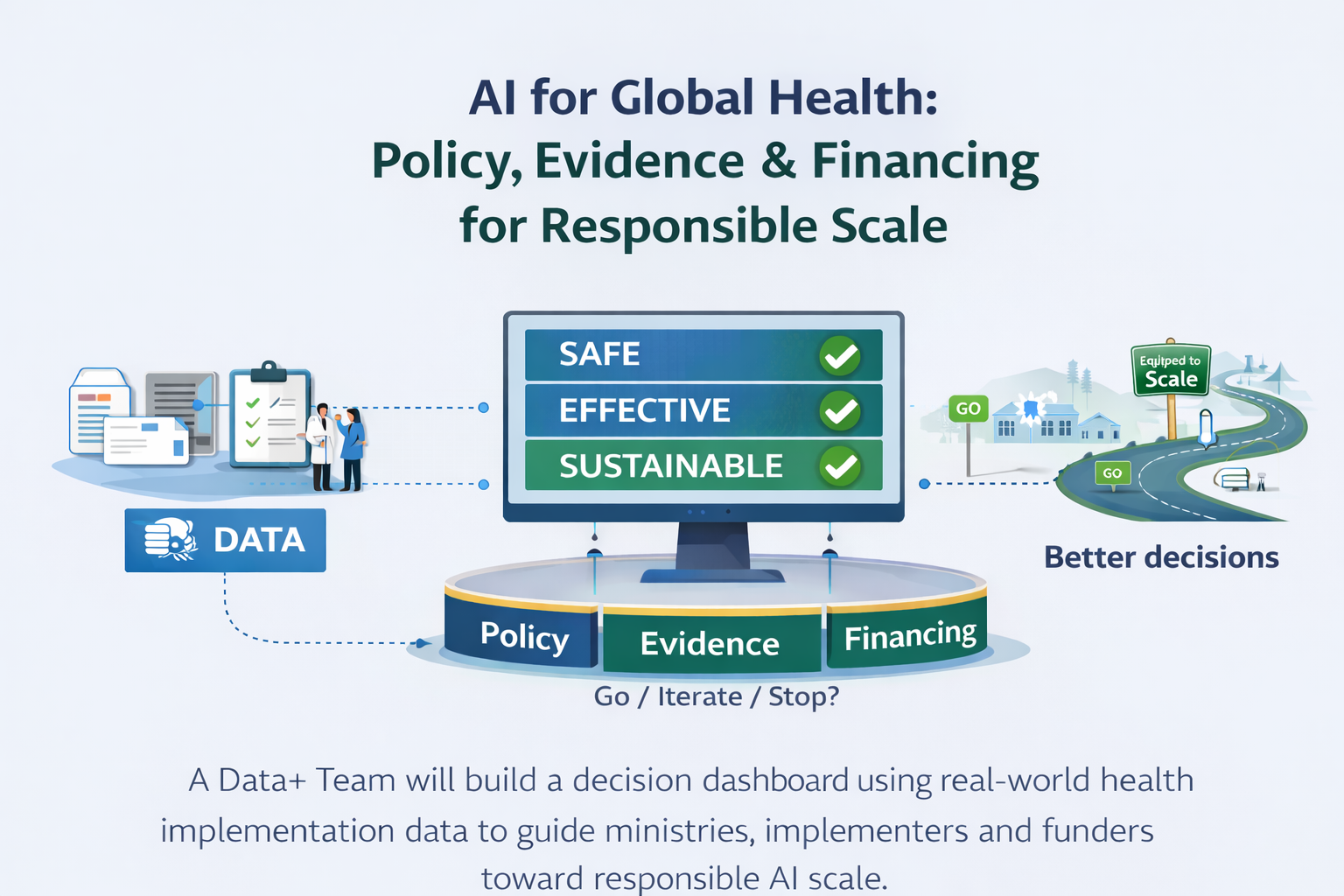
This Data+ project puts you on the front lines of a real question ministries and funders are facing right now: should we scale this AI health tool—or shut it down? You’ll work with real implementation data from global health innovators to clean, validate, and turn messy reality into decision-ready visuals....

A team of students led by Dr. Tananun Songdechakraiwut (Computer Science) and Dr. Michael Lutz (Neurology) will use a newly released dataset from the Alzheimer’s Disease Sequencing Project Phenotype Harmonization Consortium (ADSP-PHC) to study relationships among cognitive measures, brain imaging, biomarkers, and clinical features of Alzheimer’s disease and related dementias...
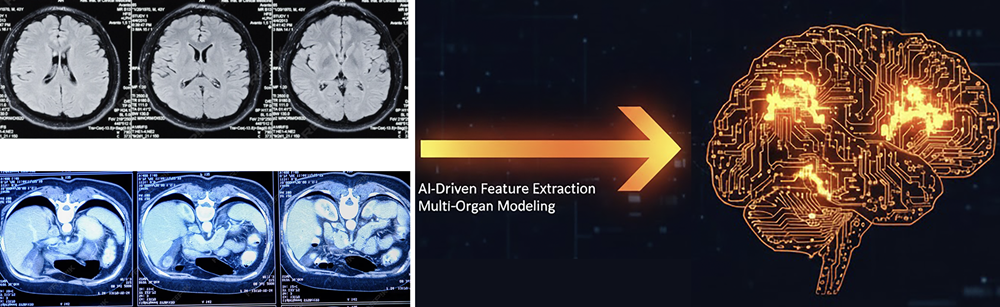
A team of students led by researchers in the Quantitative Imaging and Analysis Laboratory will use deep learning to decode the ‘neurocardiac circuits’ that link cardiometabolic health to cognitive aging. By relating heart metrics from cardiac imaging to brain data, students will identify how metabolic health modulates pathways that influence...
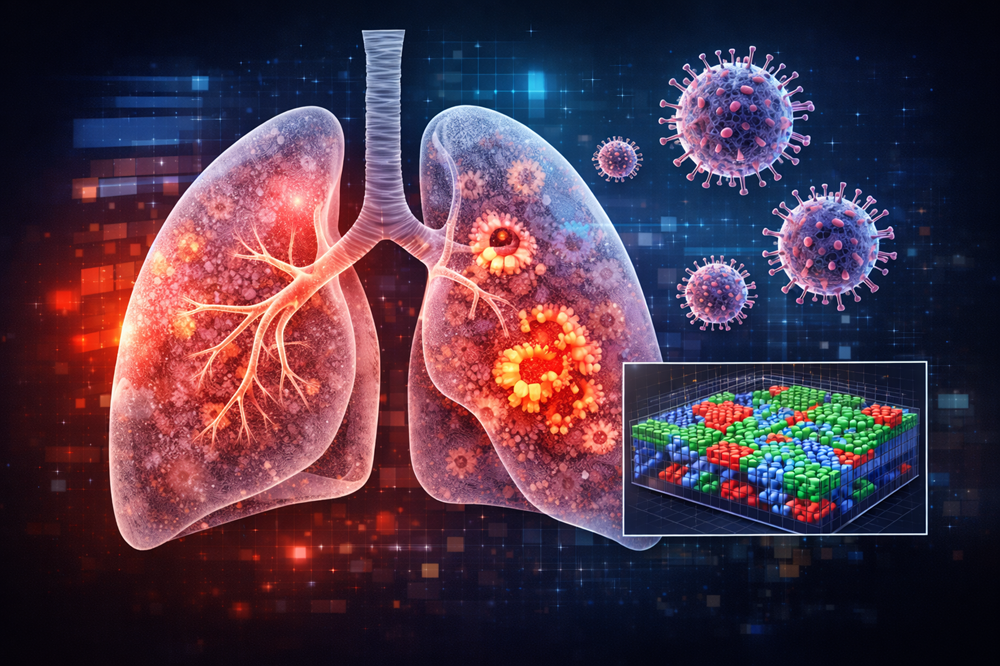
A team of students led by researchers in the Hickey Lab in Biomedical Engineering at Duke University will develop computer-based simulations to understand how influenza spreads through human lung tissue and how the immune system controls infection. Using real biological images and data from influenza-infected lungs, students will build interactive...
A team of students led by researchers in the BIG IDEAs Lab will optimize and further develop an existing cloud-based infection detection platform that populates and translates wearable data from a variety of sources. The project will involve working with existing wearable data pipelines (e.g., APIs) to collect, process, and...

A team of researchers associated with the Applied Machine Learning Laboratory will lead a team of students in developing novel machine learning techniques that will be used for improving brain computer interfaces (BCIs) using electroencephalography (EEG) data. Students will learn how to pre-process EEG data, extract EEG features, and train...

A team of students led by an interdisciplinary group including statistician Fan Li, neurologist Brian Mac Grory, and physician/population health scientist Jay Lusk will integrate information from diverse real-world datasets to better understand risk factors for cardiovascular diseases such as heart attack and stroke. The team will use techniques ranging...

This team, now in its 6th year, will examine a rich new dataset to glean insights about the programs and services offered during incarceration at the Durham County Detention Facility (DCDF). The team will clean and explore the new data set and combine it with existing data sets of bookings...

A team of students will collaborate with the Duke Health Digital Strategy Office, led by Associate Medical Director Joanna S. Cavalier, MD, to analyze data on patient-reported outcomes and patient questionnaires to improve patient experience and care. Our electronic health record, Epic, has a released a new data set that...

Students will develop and use a database that links physical, chemical, and social environmental data with incidence of specific immune-related diseases within neighborhoods in North Carolina. This database will consist of both publicly-available environmental, social, and climate data as well as data specific to/generated by Duke researchers; health information will...
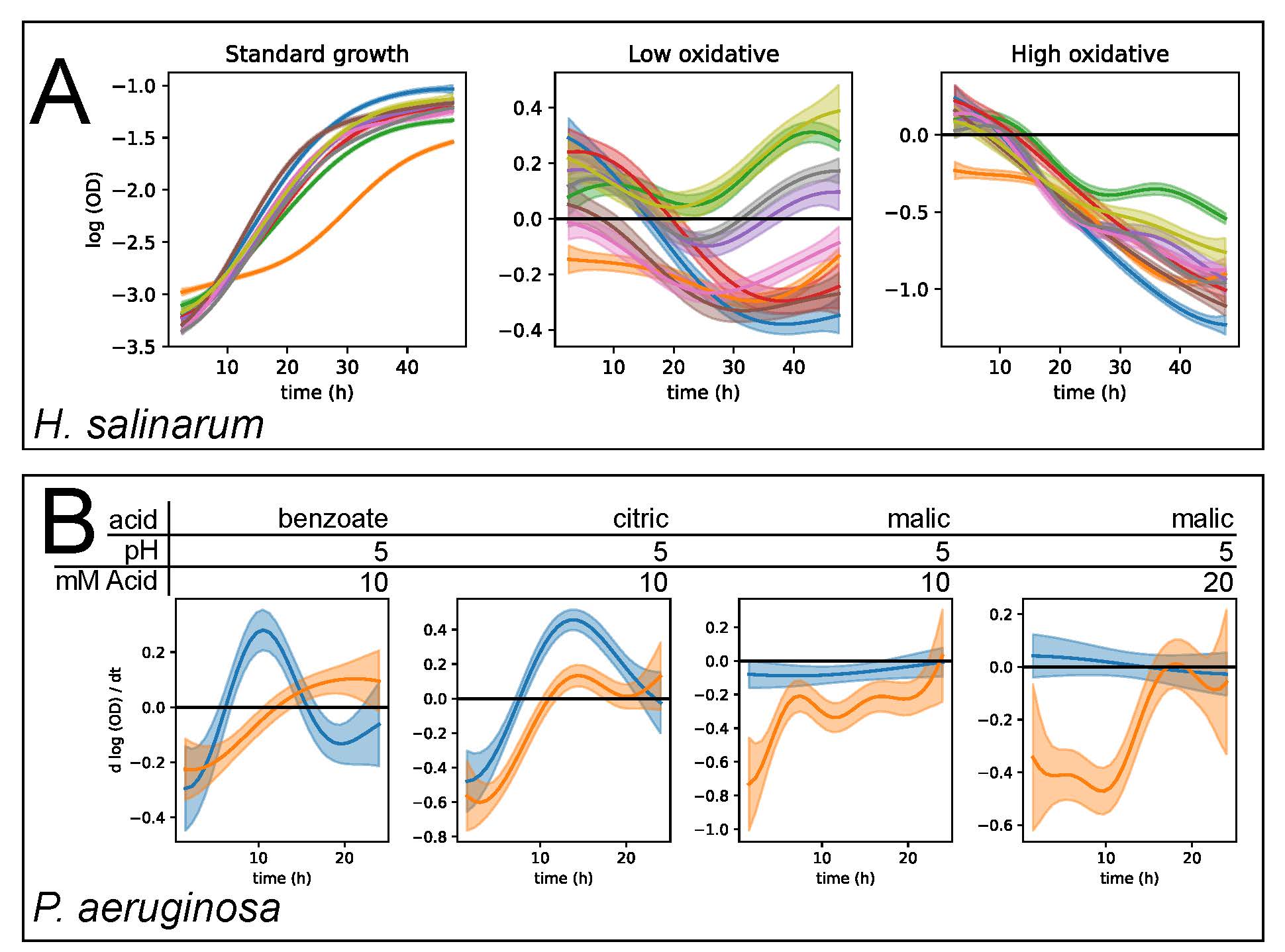
The goal of this Data+ project was to apply and extend custom analytics solutions to understand and predict microbial population growth. An explosion of data has resulted from tracking the growth of bacteria in high throughput devices. These data were generated to understand how microbes grow. Better models that fit...
A team of students led by researchers in the BIG IDEAs Lab optimized and further developed an existing cloud-based infection detection platform that populates and translated wearable data from a variety of sources. The project involved working with existing wearable data pipelines (e.g., APIs) to collect, process, and visualize wearable...

Students collaborated with the research team of Dr. Kathleen Cooney, including prominent partners both at Duke and other institutes, to identify genetic variants likely associated with early onset prostate cancer in African American patients identified by the Metropolitan Detroit Cancer Surveillance System (MDCSS) cancer registry. Students analyzed whole exome sequencing...

A team of students collaborated with Biostatistics & Bioinformatics Professor Ethan Fang, and Fuqua Professor Yehua Wei to develop new algorithms for hospital scheduling. Optimal hospital scheduling will fully utilize the resource of the hospital and reduce the wait time of the patients. The new algorithm will lead to an...
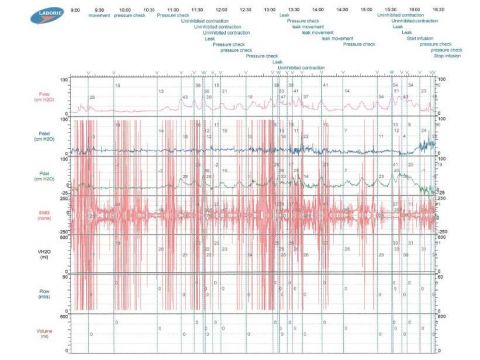
Nathaniel Choe (ECE) and Mashal Ali (Neuroscience) spent ten weeks developing machine-learning tools to analyze urodynamic detrusor pressure data of pediatric spina bifida patients from the Duke University Hospital. The team built a pipeline that went from raw time series data to signal analysis to dimension reduction to classification, and has the potential...

Dennis Harrsch, Jr. ( Computer Science ), Elizabeth Loschiavo ( Sociology ), and Zhixue (Mary) Wang ( Computer Science, Statistics ) spent ten weeks improving upon the team’s web platform that allows users to examine contraceptive use in low and middle income (LMIC) countries collected by the Demographic and Health Survey (DHS) contraceptive calendar. The...
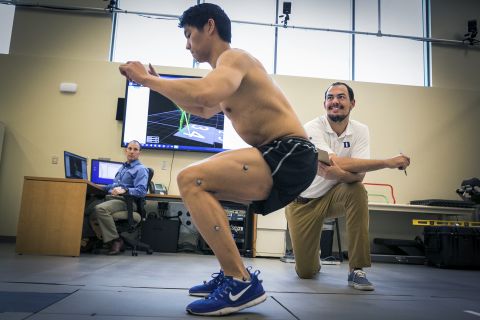
Maria Henriquez (Computer Science, Statistics) and Jacob Sumner (Biology) spent ten weeks building tools to help the Michael W. Krzyzewski Human Performance Lab best utilize its data from Duke University student athletes. The team worked with a large collection of athlete strength, balance, and flexibility measurements collected by the lab. They improved the K Lab’s...

Dima Fayyad (Electrical & Computer Engineering), Sean Holt (Math), David Rein (Computer Science/Math) spent ten weeks exploring tools that will operationalize the application of distributed computing methodologies in the analysis of electronic medical records (EMR) at Duke. As a case study, they applied these systems to an Natural Language Processing project on clinical narratives about...
Our team members have spent the summer working with the North Carolina Division of Public Health Occupational and Environmental Epidemiology Branch to build a pilot environmental public health data dashboard, with the hope that the pilot tool will be used in DPH’s grant proposal to the CDC for a fully-funded...

A new model is developed for joint analysis of ordered, categorical, real and count data. In the motivating application, the ordered and categorical data are answers to questionnaires, the (word) count data correspond to the text questions from the questionnaires, and the real data correspond to fMRI responses for each...
Showing 1-20 of 32 results