

A team of students led by researchers in the Social Science Research Institute and Departments of Mathematics and Statistics curated a unique video data set for studying how different aspects of social interactions relate to social and psychiatric variables, like trust, empathy, and scores on clinical social competence and autism...

A team of students led by researchers in the Computer Science Department and the coaching staff of the Duke Women’s Soccer (DWS) team developed analytical tools to provide quantitative evaluations of individual players and whole teams. By applying machine learning techniques and other data science methods to deep event-level and...
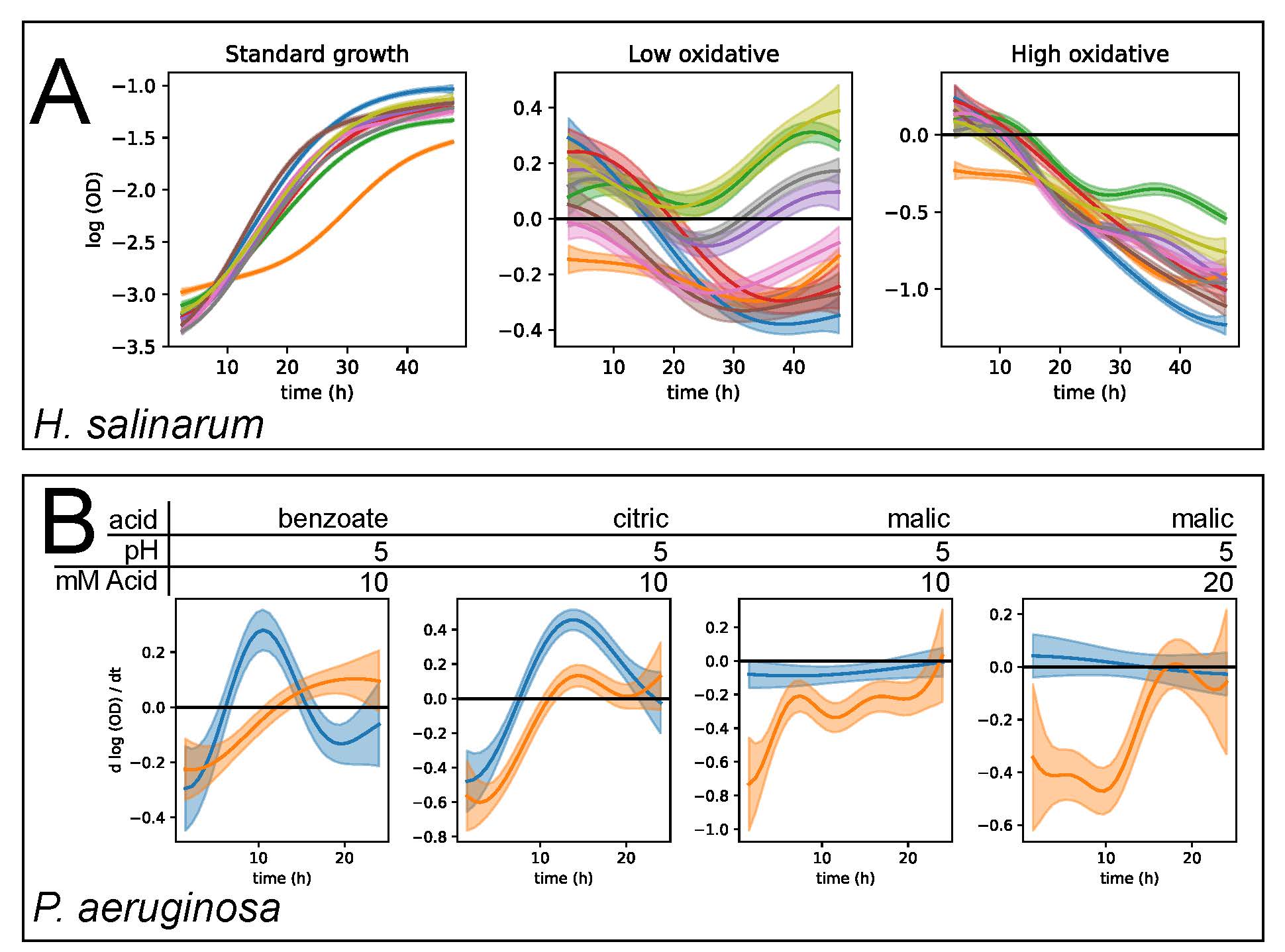
The goal of this Data+ project was to apply and extend custom analytics solutions to understand and predict microbial population growth. An explosion of data has resulted from tracking the growth of bacteria in high throughput devices. These data were generated to understand how microbes grow. Better models that fit...

Using data from the Durham Compass and the NC School Report Card among many other sources, this team continued the development of an interactive R Shiny dashboard that permits exploration of school statistical data. The team aimed to explore Durham Public School (DPS) zones through an asset-based lens to support ethical...

A team of students led by researchers from the Nicholas School of the Environment developed an app to estimate the distance of animals from a camera trap. Students merged camera trap data with terrestrial lidar (3D imagery of forest around the camera trap) to locate the position of animals. By...
A team of students led by researchers in the BIG IDEAs Lab optimized and further developed an existing cloud-based infection detection platform that populates and translated wearable data from a variety of sources. The project involved working with existing wearable data pipelines (e.g., APIs) to collect, process, and visualize wearable...

Using digitized card catalogs from the David M. Rubenstein Rare Book and Manuscript Library, a team of students explored extracting structured data from over 115,000 subject cards to develop searchable and sortable descriptions of manuscript and archival collections. They prepared the digitized subject cards for online access in the Internet...

A team of students led by a data scientist at NetApp developed the means to evaluate technical documentation through machine learning techniques. Students identified features of language and documents that can be used to demonstrate how effective that documentation is at communicating technical specifications. Additionally, students applied machine learning methods...

Students collaborated with CEE Professors David Carlson and Mike Bergin to model the effects of land use on the urban heat island effect using satellite imagery and ground-level temperature measurements. Students used machine learning to segment satellite images of Durham, North Carolina by land use. They then paired land use...
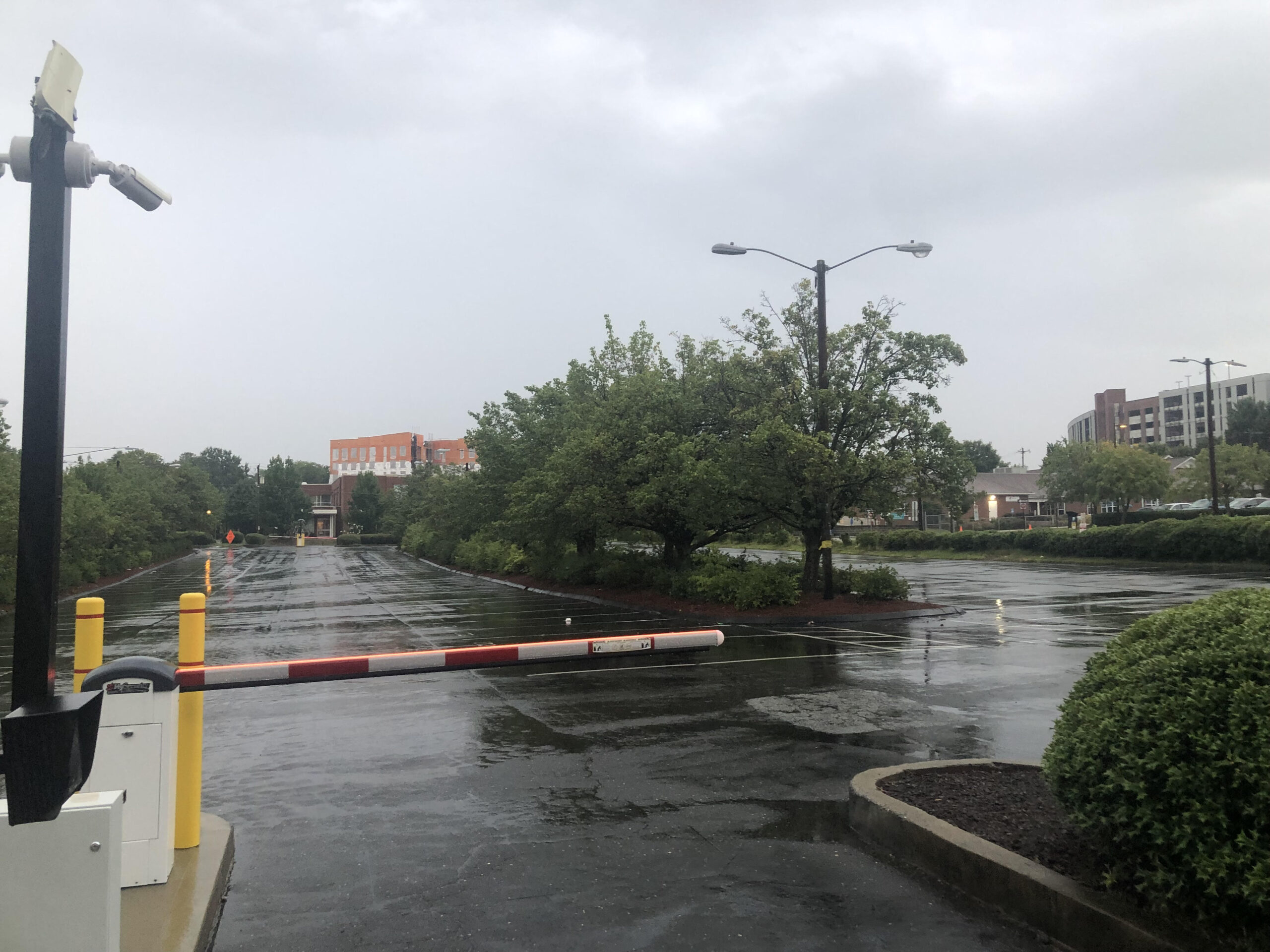
A team of students led by Dr. Jim Heffernan of the Nicholas School of the Environment, used remote imagery and object identification tools to determine changes in parking lot occupancy in the Research Triangle region during the Covid-19 pandemic’s acute and post-acute phases. Students used open-source geospatial data to select...

A team of students led by Dr. Otis Jennings explored and created a research paper that seeks to understand the gap between the stated diversity funding, goals and support by corporations relative to their actual level of support to diverse founders. The research required navigating corporate reporting, media, press releases,...

Students collaborated with the research team of Dr. Kathleen Cooney, including prominent partners both at Duke and other institutes, to identify genetic variants likely associated with early onset prostate cancer in African American patients identified by the Metropolitan Detroit Cancer Surveillance System (MDCSS) cancer registry. Students analyzed whole exome sequencing...
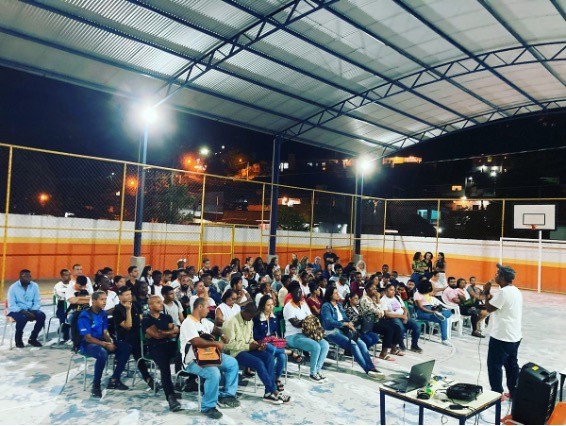
This project looks at policy implications of the vast expansion of Brazil’s higher education system from 2004 to 2016, which sought to promote economic mobility and reduce social disparities. Through public and private university expansion, it doubled the number of Brazilians attending college. The project team analyzed 14 years of...
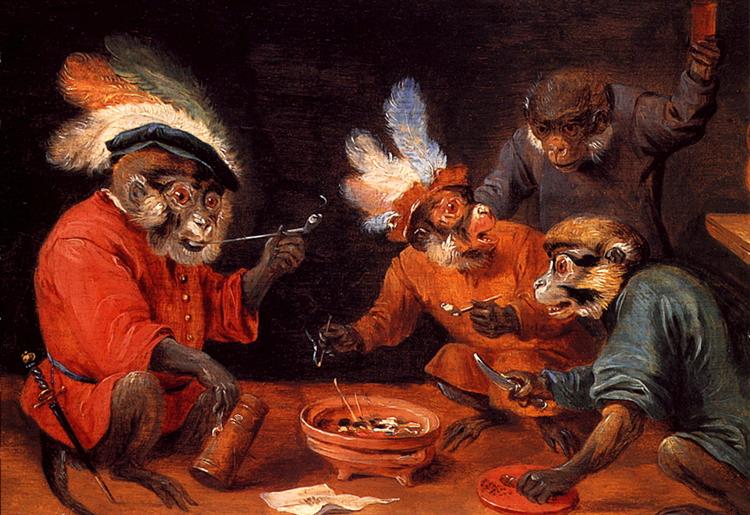
Is it ethically permissible to sell, buy, and use luxury goods? What labor practices do we tolerate to make these goods available? In the late Middle Ages and Renaissance, England was faced with an ever-growing supply of new and exciting goods, made possible by new trade routes to the New...

A team of students led by an interdisciplinary group of faculty at the intersection of policy, economics, and computer science used statistical and machine learning methods to assess and map the discourse of speeches (1919-2022) by applied economists on food and agricultural policy. Understanding the historical underpinnings of these policies...

A team of students led by researchers in the Hydroclimatological Lab created a workflow/pipeline for comprehensively estimating the carbon emissions from the Southeastern (SE) United States (US) wetlands using machine learning techniques applied to multi-source data, including field measurements, remote sensing products, and biophysical model outputs. The team first applied...

A team of students collaborated with Biostatistics & Bioinformatics Professor Ethan Fang, and Fuqua Professor Yehua Wei to develop new algorithms for hospital scheduling. Optimal hospital scheduling will fully utilize the resource of the hospital and reduce the wait time of the patients. The new algorithm will lead to an...

A team of students led by Prof. Zuchuan Li and co-led by Prof. Nicolas Cassar developed means to estimate the amount of CO2 transferred from the ocean surface to the deep ocean through machine learning techniques applied to satellite data and automatic observations. The team identified variables that can be...

A team of students led by professors Maurizio Forte, Classical Studies and AAHVS and Leonard White, Neurology, studied the embodied aesthetic experience engendered by real and virtual interactions with archeological ruins (“ruinscapes”) and virtual representations of places, spaces, and cultural artifacts associated with an ancient city. The focus will be...

A team of students led by researchers Nicole Schramm-Sapyta, Ph.D. (Duke Institute for Brain Sciences) and Maria Tackett, Ph.D. (Department of Statistical Science) examined data from the Durham County Detention Facility and Duke Health System to analyze the effect of mental health interventions, state and local policies, insurance coverage, and...
Showing 101-120 of 389 results