
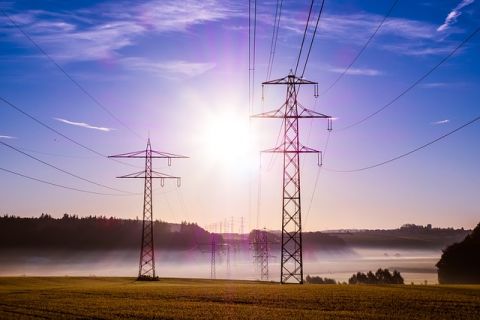
Varun Nair (Mechanical Engineering), Tamasha Pathirathna (Computer Science), Xiaolan You (Computer Science/Statistics), and Qiwei Han (Chemistry) spent ten weeks creating a ground-truthed dataset of electricity infrastructure that can be used to automatically map the transmission and distribution components of the electric power grid. This is the first publicly available dataset of its kind, and will be analyzed...

The team built a ground truth dataset comprising satellite images, building footprints, and building heights (LIDAR) of 40,000+ buildings, along with road annotations. This dataset can be used to train computer vision algorithms to determine a building’s volume from an image, and is significant contribution to the broader research community...
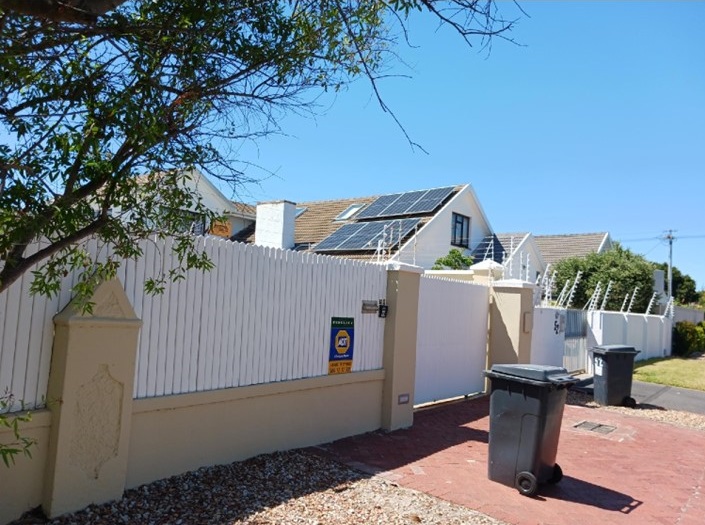
A team of students led by researchers in the Energy Data Analytics Lab and the Sustainable Energy Transitions Initiative will develop a method to evaluate electricity access in developing countries through machine learning techniques applied to aerial imagery data. Students will first improve the accuracy of the solar array identifying...

A team of students led by researchers in the Energy Access Project and the Energy Data Analytics Lab will apply machine learning techniques to high resolution aerial imagery data to identify the location of solar panels throughout Cape Town, South Africa. Currently, solar panels are being used by wealthier households...

Students will develop and use a database that links physical, chemical, and social environmental data with incidence of specific immune-related diseases within neighborhoods in North Carolina. This database will consist of both publicly-available environmental, social, and climate data as well as data specific to/generated by Duke researchers; health information will...
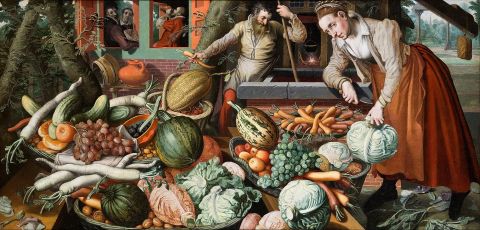
Is there a right type and amount of consumption? The idea of ethical consumption has gained prominence in recent discourse, both in terms of what we purchase (from fair trade coffee to carbon off-sets) and how much we consume (from rechargeable batteries to energy efficient homes). Concern with the morality...
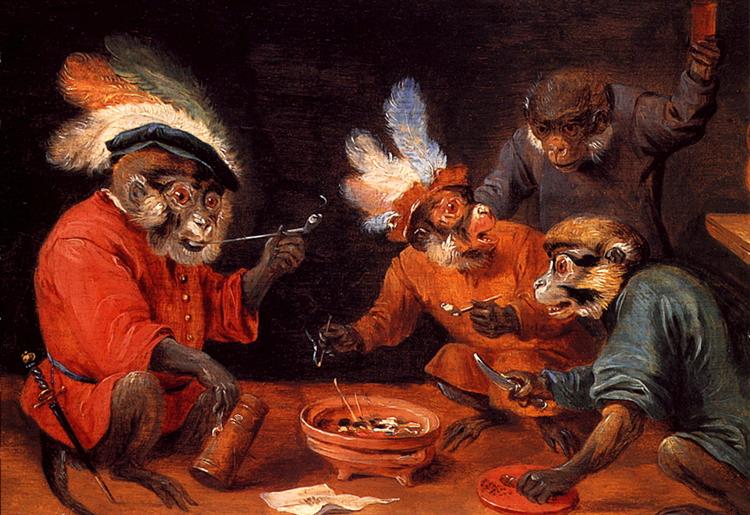
Is it ethically permissible to sell, buy, and use luxury goods? What labor practices do we tolerate to make these goods available? In the late Middle Ages and Renaissance, England was faced with an ever-growing supply of new and exciting goods, made possible by new trade routes to the New...

Is it ethically permissible to sell, buy, and use luxury goods? What labor practices do we tolerate to make these goods available? This project traces the early history of these questions as European powers started to exploit the natural resources and peoples of the New World. We want to trace...
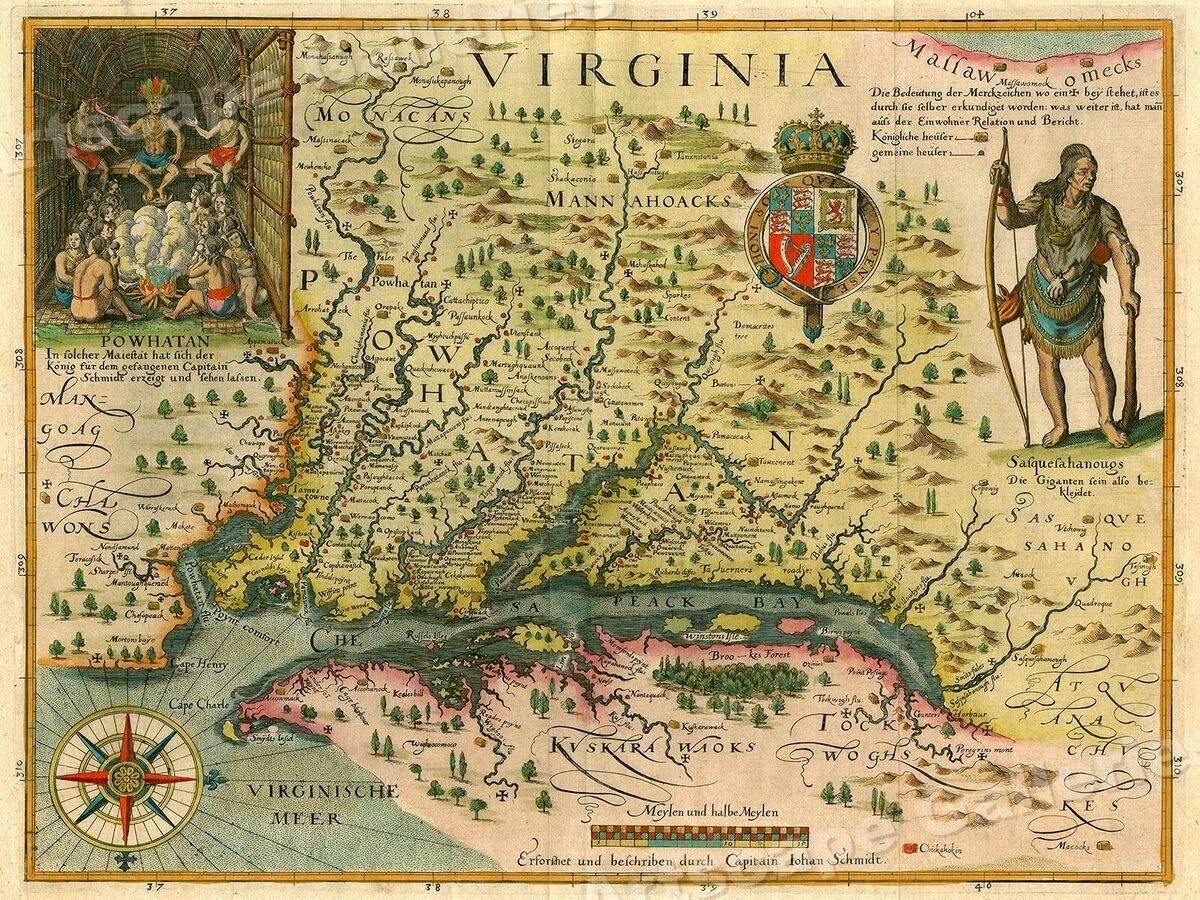
Is it ethically permissible to sell, buy, and use luxury goods? What labor practices do we tolerate to make these goods available? In the late Middle Ages and Renaissance, England was faced with an ever-growing supply of new and exciting goods, made possible by new trade routes to the New...
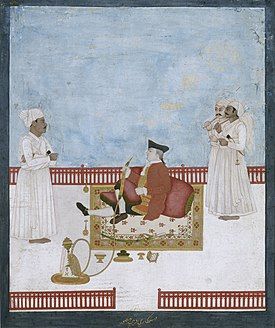
Is there a right type and amount of consumption? The idea of ethical consumption has gained prominence in recent discourse, both in terms of what we purchase (from fair trade coffee to carbon off-sets) and how much we consume (from rechargeable batteries to energy efficient homes). These modes of ethical consumerism assume...
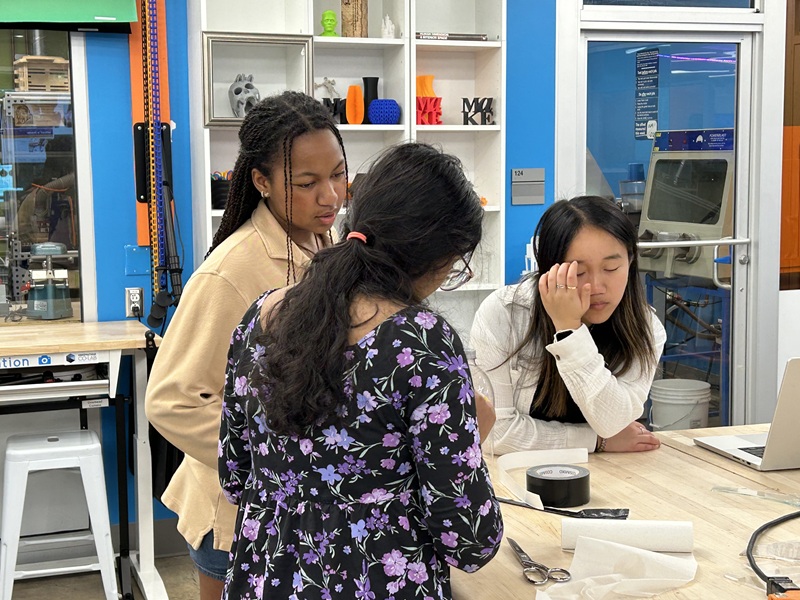
A team of students led by BME professor Megan Madonna, director of Ignite, will transform Ignite’s raw program data into a clean, multi-year database capturing attendance, engagement, retention, survey outcomes, and classroom observations from 2021 to the present. They will analyze data from the 2025–2026 implementation while expanding and standardizing...
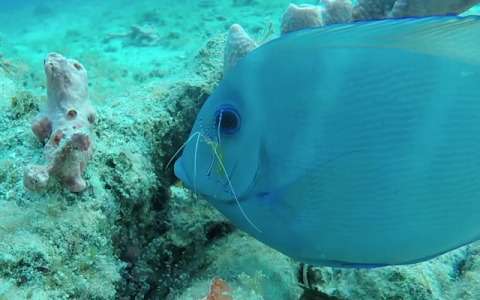
Understanding of how to manipulate, analyze, and display large datasets is an essential skill in the life sciences. Introducing students to the concepts of coding languages and showing them the diversity of tasks that can be accomplished using a flexible coding scheme like R is an important step in the...
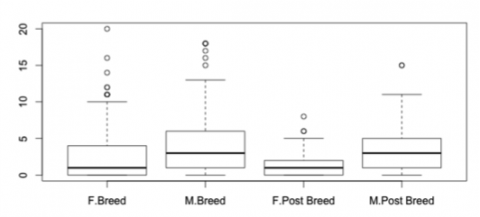
Questions asked: Do males and females scent mark equally? Do lemurs scent mark equally in breeding and non-breeding seasons? Graduate students: Lydia Greene and Kendra Smyth Faculty instructor: Julie Teichroeb Course: EVANTH 246: Sociobiology Data set: The frequency of scent-marking behavior in the Coquerel’s sifaka Dependent variable: scent-marking frequency Potential explanatory...

A team of researchers associated with the Applied Machine Learning Lab in Duke’s ECE department will lead a team of students in developing novel machine learning techniques that will be used for improving brain computer interfaces (BCIs) using electroencephalography (EEG) data. Students will learn how to pre-process EEG data, extract...

A team of researchers associated with the Applied Machine Learning Laboratory will lead a team of students in developing novel machine learning techniques that will be used for improving brain computer interfaces (BCIs) using electroencephalography (EEG) data. Students will learn how to pre-process EEG data, extract EEG features, and train...

A team of researchers associated with the Applied Machine Learning Laboratory will lead a team of students in developing novel machine learning techniques that will be used for improving brain computer interfaces (BCIs) using electroencephalography (EEG) data. Students will learn how to pre-process EEG data, extract EEG features, and train...

This data expedition explores the local (ego) patent citation networks of three hybrid vehicle-related patents. The concept of patent citations and technological development is a core theme in innovation and entrepreneurship, and the purpose of these network explorations is to both quantitatively and visually assess how innovations are connected and...
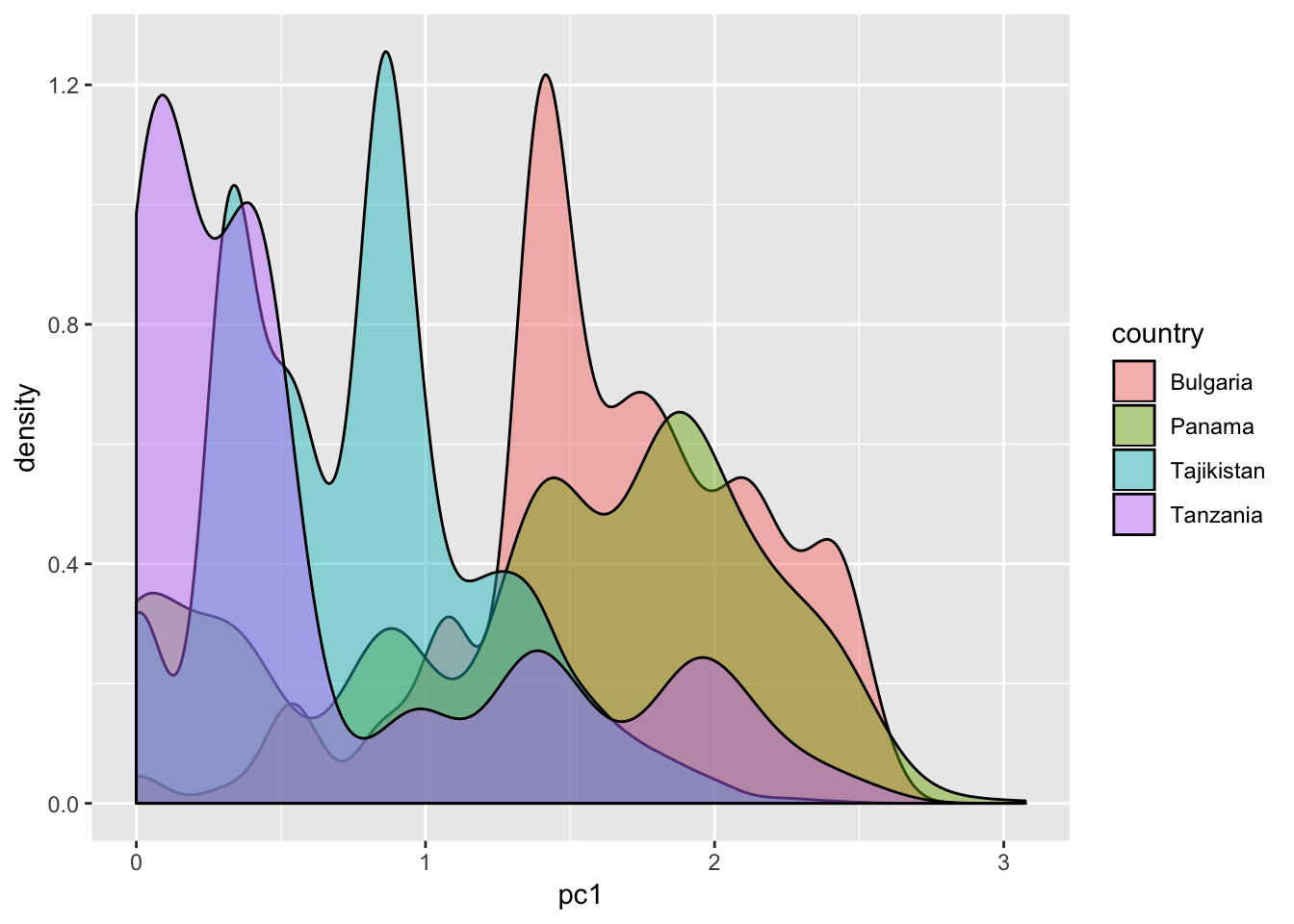
This Data Expedition seeks to introduce students to statistical analysis in the field of international development. Students construct a index of wealth/poverty based on asset holdings using four datasets collected under the umbrella of the Living Standards Measurement Survey project at the World Bank. We selected countries to represent different continents...

This team created “The Survey Navigator,” an interactive platform that helps users discover, compare, and visualize public opinion data. Led by professors Sunshine Hillygus and Alexander Volfovsky, and supported by Duke’s Polarization Lab, we will harness the power of statistics, machine learning, and AI to transform raw survey questions into...
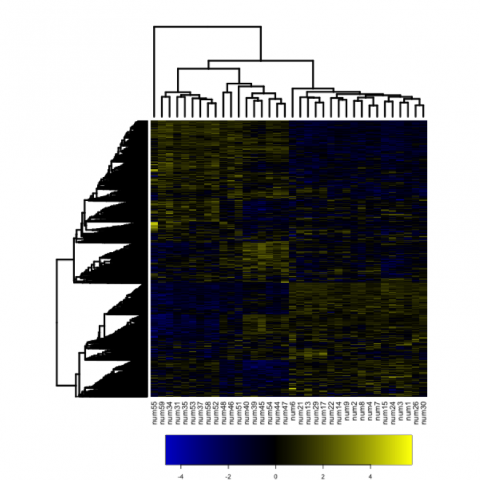
Students learned to visualize high-dimensional gene expression data; understand genetic differences in the context of gene networks; connect genetic differences to physiological outcomes; and perform simple analyses using the R programming language. Graduate students: Liana Burghardt and Colin Maxwell, PhD candidates, Biology Department Faculty instructor: Danielle Armaleo Course: Collaboration with Dr. Armaleo...
Showing 141-160 of 388 results