
2026 Projects

Our team is recruiting motivated undergraduates to join a summer Climate+/Data+ project monitoring the restoration of New Hope Creek in the Duke Forest. After nearly a century of disrupted stream flow caused by a low-water bridge and breached stone dam, Duke Forest staff have removed these barriers to restore aquatic...

Understanding how the brain’s physical wiring relates to its functional activity remains a major open question in neuroscience. This project investigates how structural connectivity (mapped using diffusion MRI) aligns with functional connectivity (derived from resting-state fMRI), with a focus on underexplored signals in white matter. Using large-scale datasets from the...

This data expedition focused on biological senses, in particular, musicality. The students read and summarized four scientific articles in discussion groups to build their background knowledge when it comes to how humans and animals use pitch and rhythm in music, language, and songs. We then had each student use headphones...
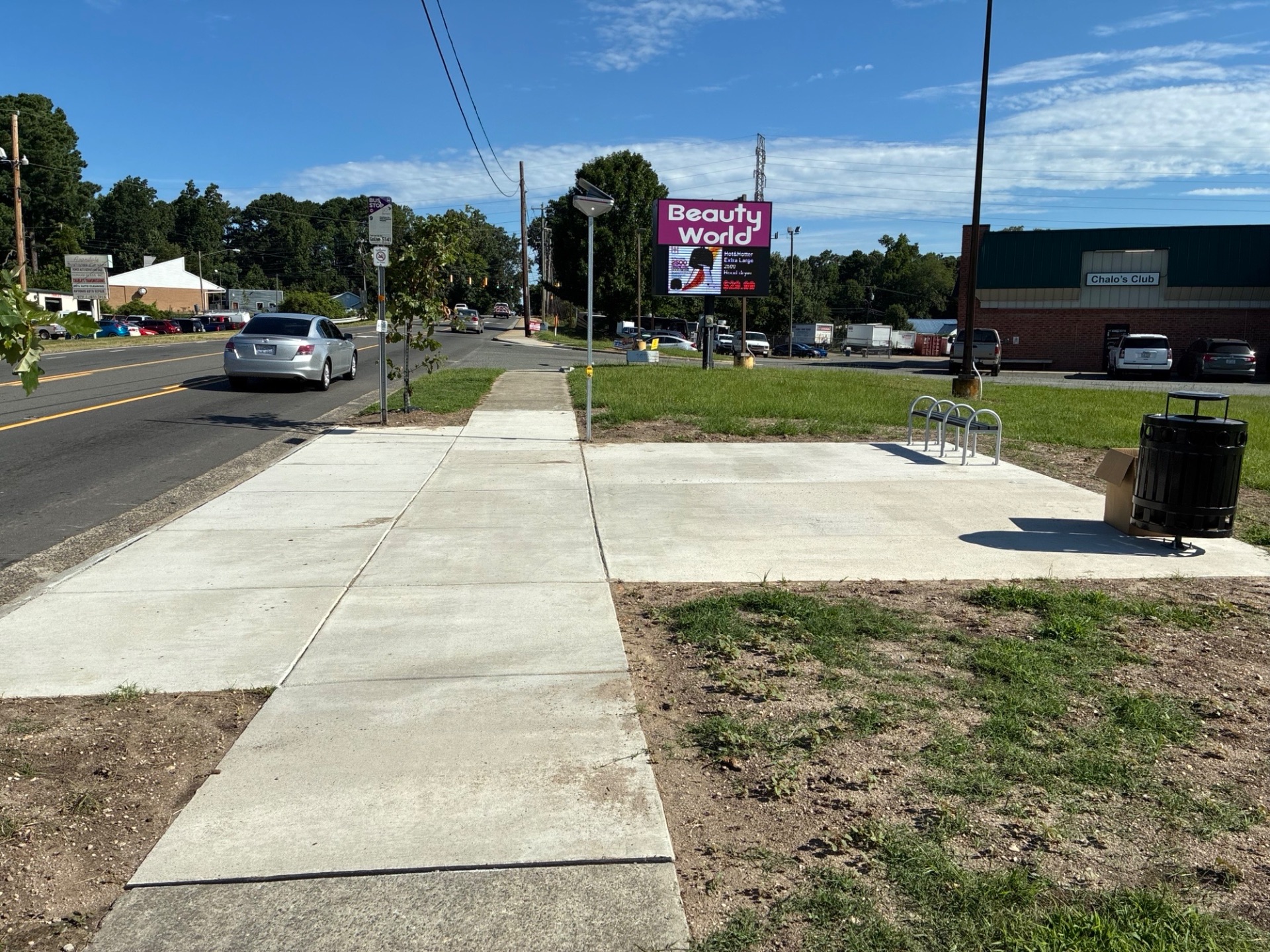
GoDurham requires a database to conduct condition assessments for over 880 bus stops to support effective maintenance management and ensure regulatory compliance. According to the 2023 Durham County Transit Plan, 1,064 of 1,324 bus stops lack ADA-compliant paved landing pads, and outdated condition data prevents efficient prioritization of the $34.3...
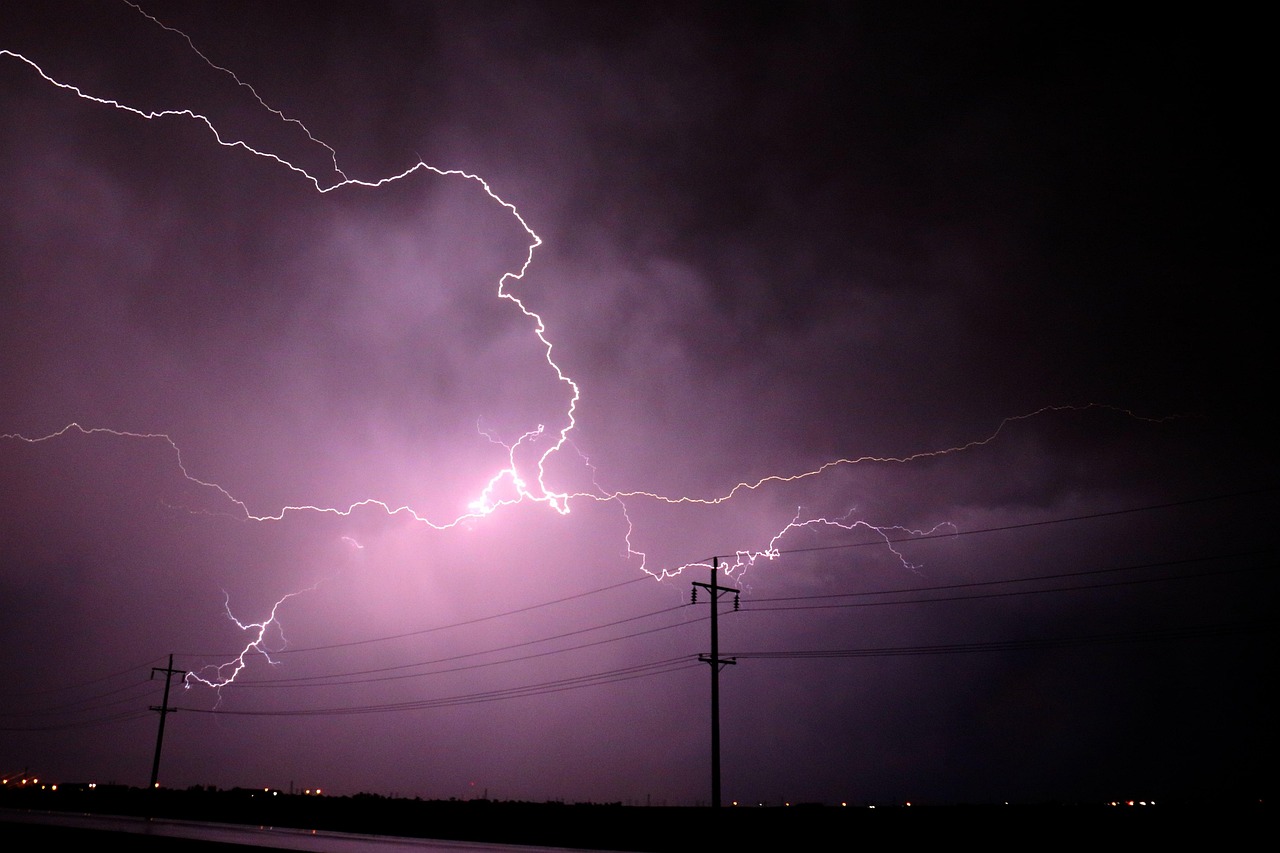
Accurate forecasting of weather variables -including humidity, temperature, dew point, cloud cover, and wind speed and direction- is critical for improving predictions of both renewable energy generation and electricity demand, and for managing emerging challenges associated with the rapid growth of data centers energy needs. In this project, we analyze...
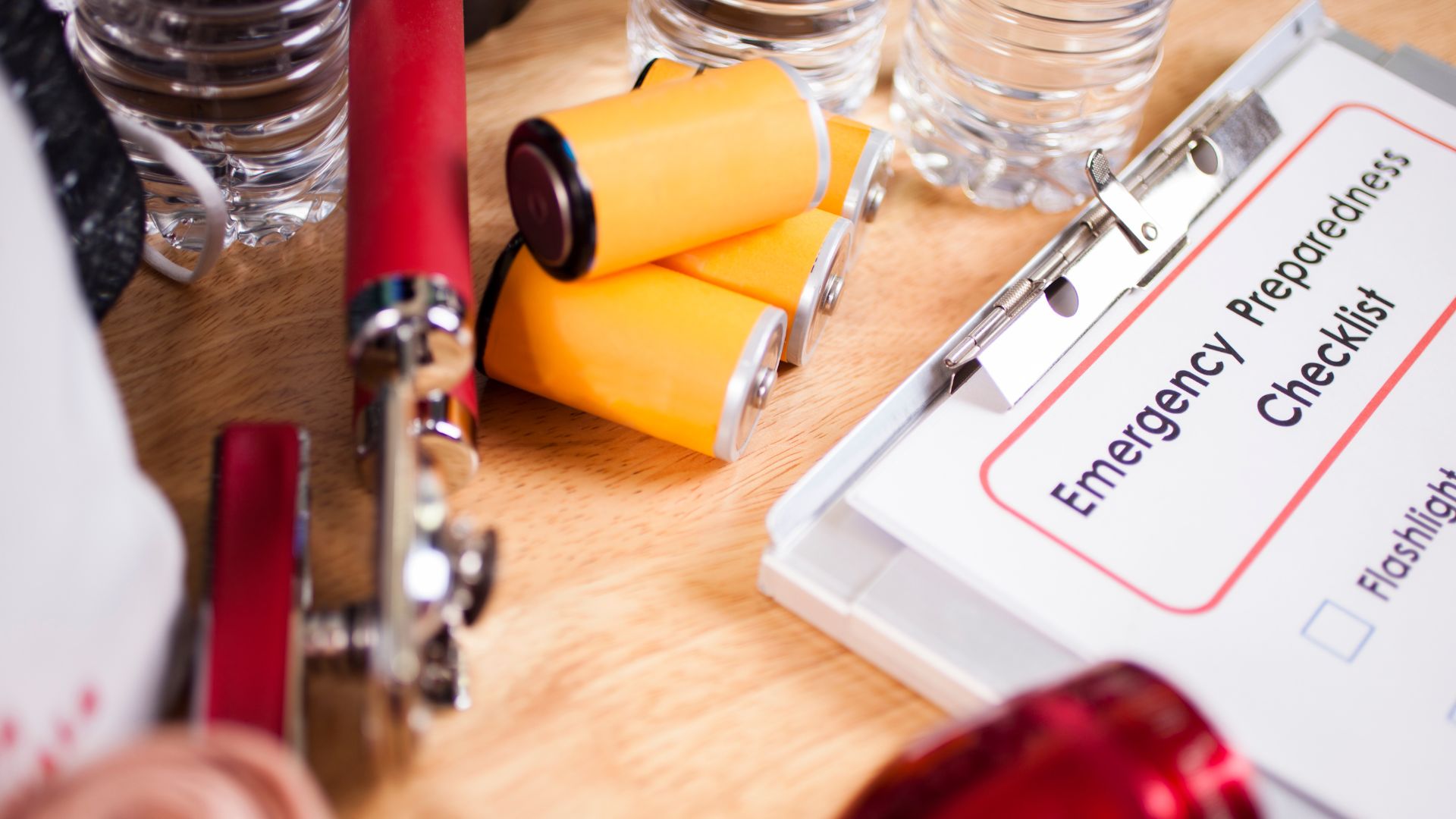
In coordination with the Duke Office of Community Health, Duke School of Medicine’s Root Causes, and with close alignment to OCH’s Faith & Health Initiative and the City–County Durham Resiliency Hub work, this project uses data science, GIS, and visualization to map and integrate community assets and risks that can support emergency preparedness and response—especially for food...
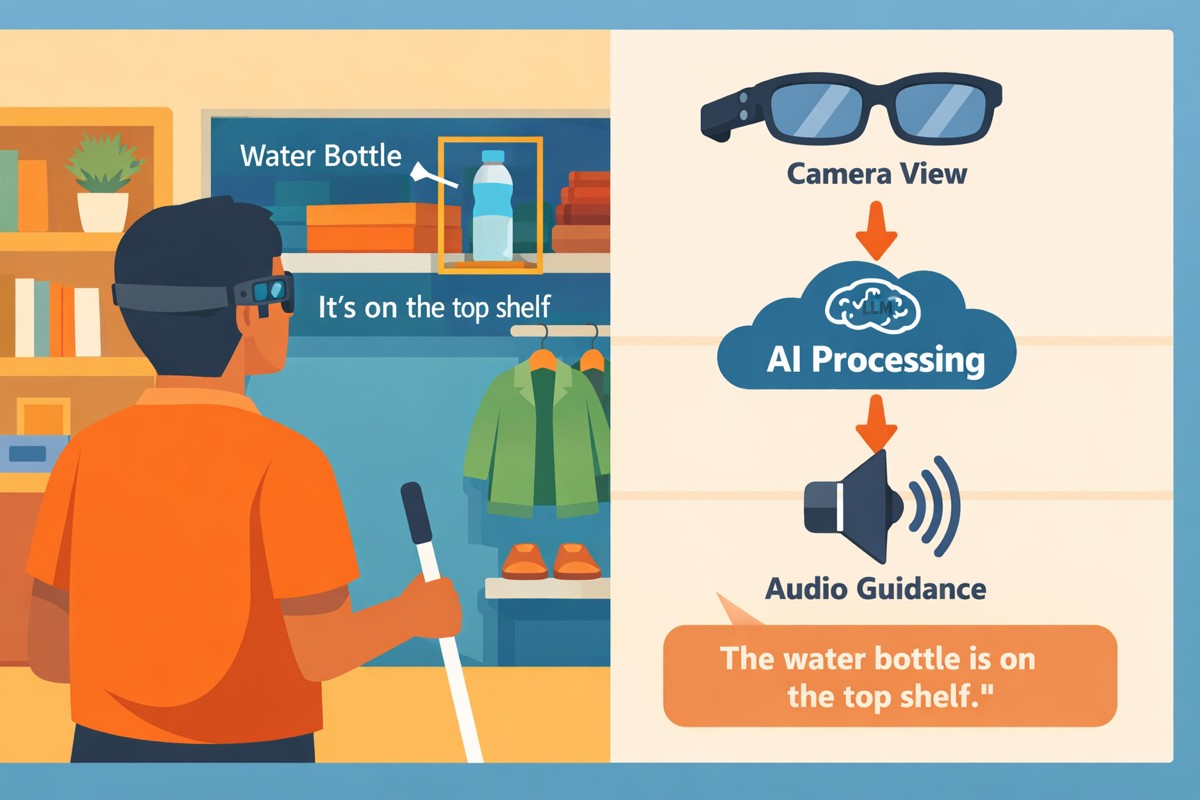
A student team led by Henry Pfister’s research group will develop and evaluate an AI-powered “visual assistant” that pairs smart glasses with modern visual language models to assist people with visual impairment. We’ll start by benchmarking models on the VisAssistDaily dataset and then prototype a real-time system using open-source multimodal...

How do elites maintain power when the world around them is being radically transformed? Between the late sixteenth and early eighteenth centuries, England was reshaped by the explosive growth of global trade. Political and socio-economic elites had to adapt—or risk losing power. Who benefited from these changes, who lost out,...
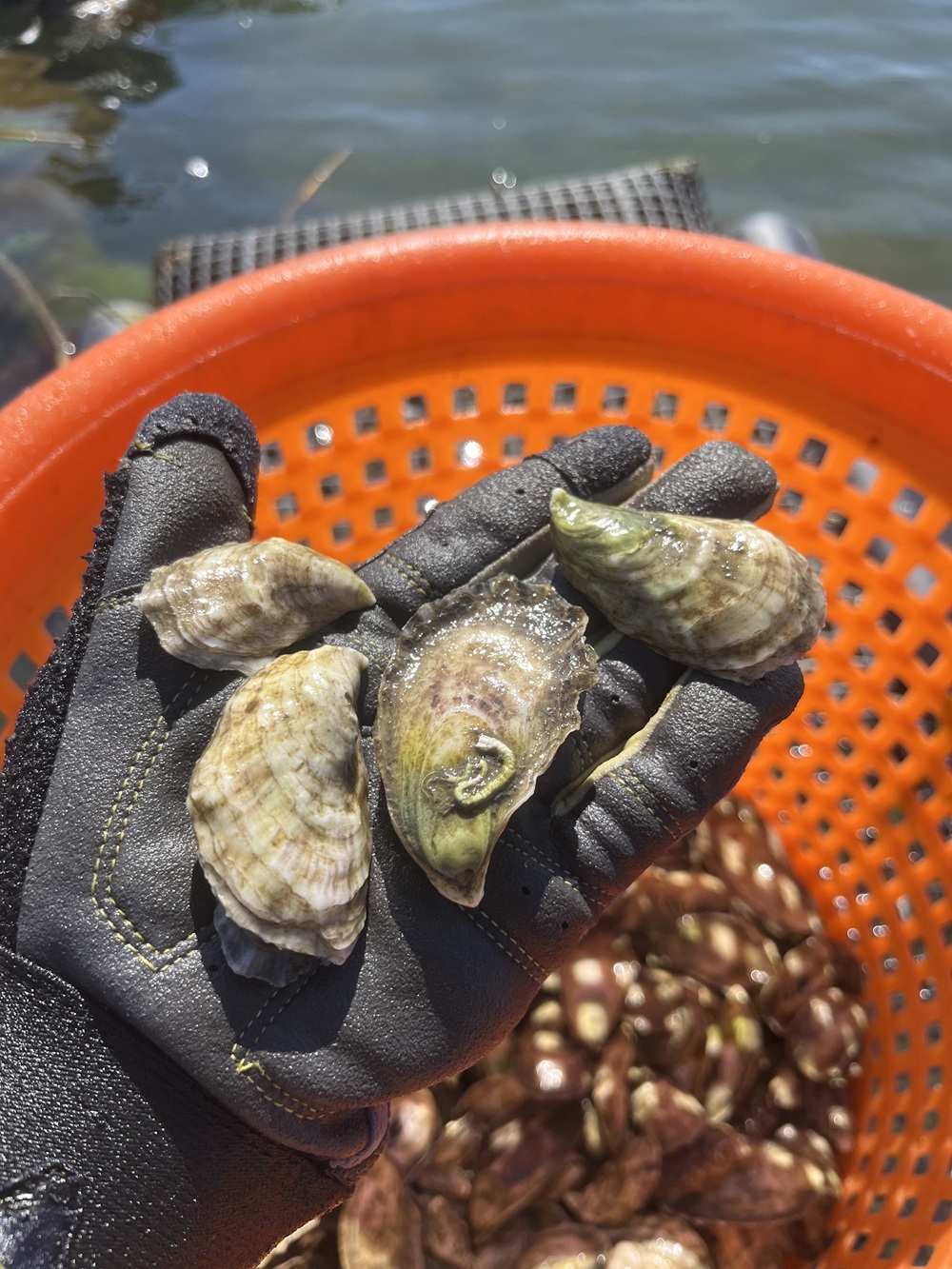
A team of students led by researchers in the Division of Marine Science and Conservation within the Nicholas School of the Environment will explore environmental data collected at North Carolina oyster farms in combination with oyster RNA sequencing data. This project will enhance environmental data and biological samples collected by...
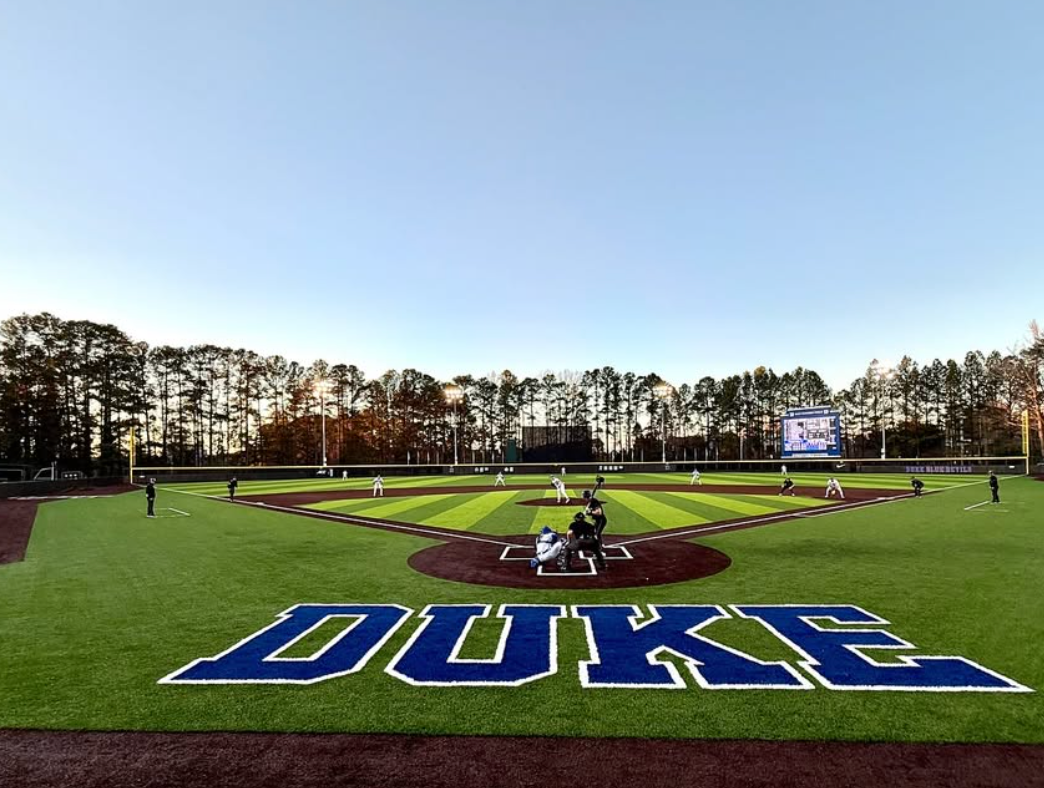
Duke Baseball Analytics team is looking to create a metric called Pitcher WAR. This metric is widely used throughout Major League Baseball to evaluate talent and use as evidence during contract negotiations. WAR stands for Wins Above Replacement, which allows you to see what the value of each player is...

A team of students led by Pratt professor Rachel Beaudoin will develop generalizable models to quantify the greenhouse gas footprint of Durham organizations and to assess the impacts of decarbonization projects. Students will work with a dataset of Durham Public Schools’ historical energy and procurement data to develop a model...
Redistricting determines whose voices count, yet few young North Carolinians understand how district lines shape their power as voters. “YouthMaps” will bring Duke students together with the NC Counts Coalition to analyze and visualize how redistricting and gerrymandering impact youth representation, turnout, and policy voice in North Carolina. Project Lead:...
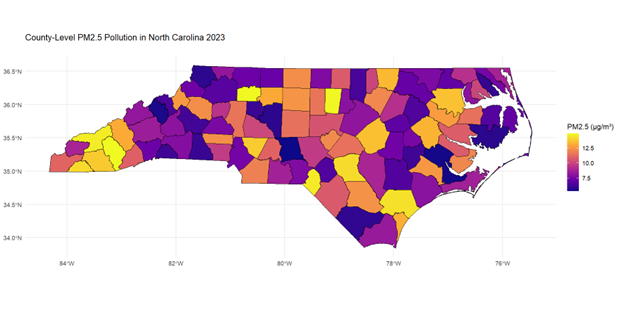
Explore Climate and Health Equity with Duke’s REGAL Lab! Join the Research to Eliminate Global Cancer Disparities (REGAL) Lab at the Duke University School of Medicine for a hands-on research experience on climate and health equity. Students will compile and analyze North Carolina county-level environmental indicators, such as air quality,...
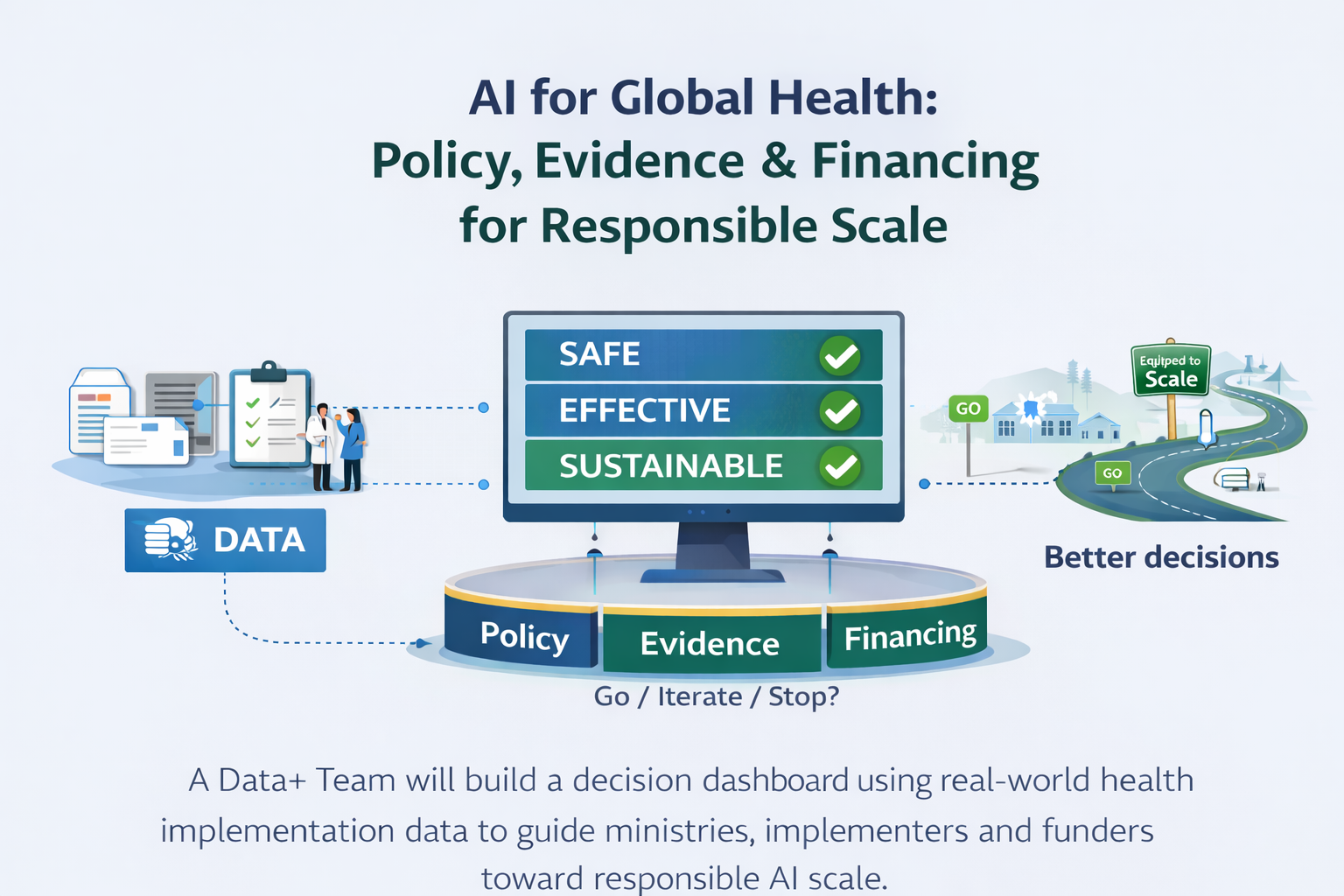
This Data+ project puts you on the front lines of a real question ministries and funders are facing right now: should we scale this AI health tool—or shut it down? You’ll work with real implementation data from global health innovators to clean, validate, and turn messy reality into decision-ready visuals....
This team of students will study a dataset that combines data from the Durham County Detention Facility and Duke Health, with an interest in examining the intersection of mental illness and incarceration. This summer’s goal will be to develop data visualizations that help to show the effect of supportive programs...
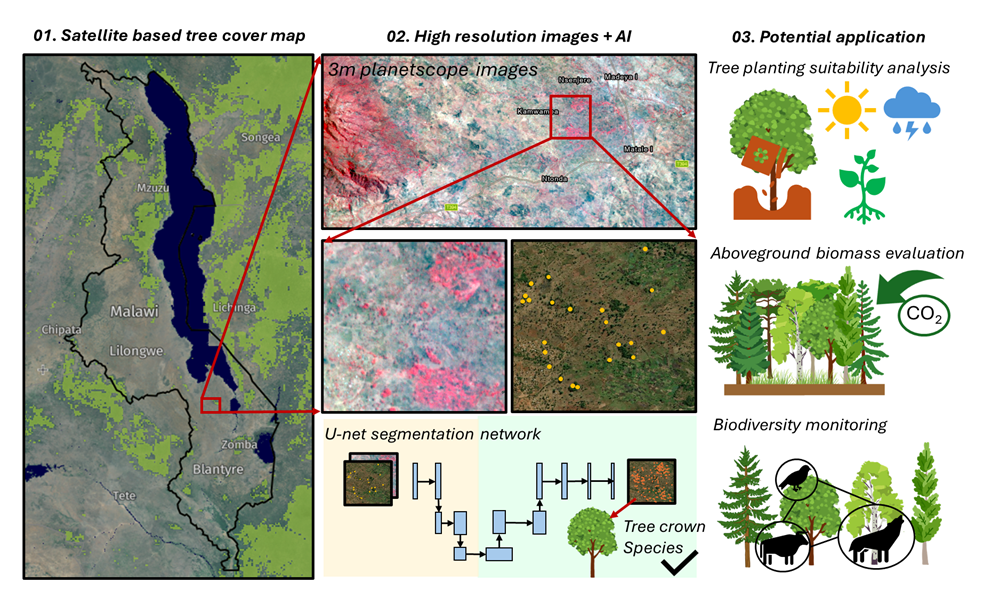
A team of students will combine cutting-edge, high-resolution satellite imagery with a state-of-the-art AI and pattern-recognition framework to improve restoration outcomes across sub-Saharan Africa. Students will map trees both inside forests and across farms and villages using a deep learning model, then link those maps to socioeconomic factors and biophysical...
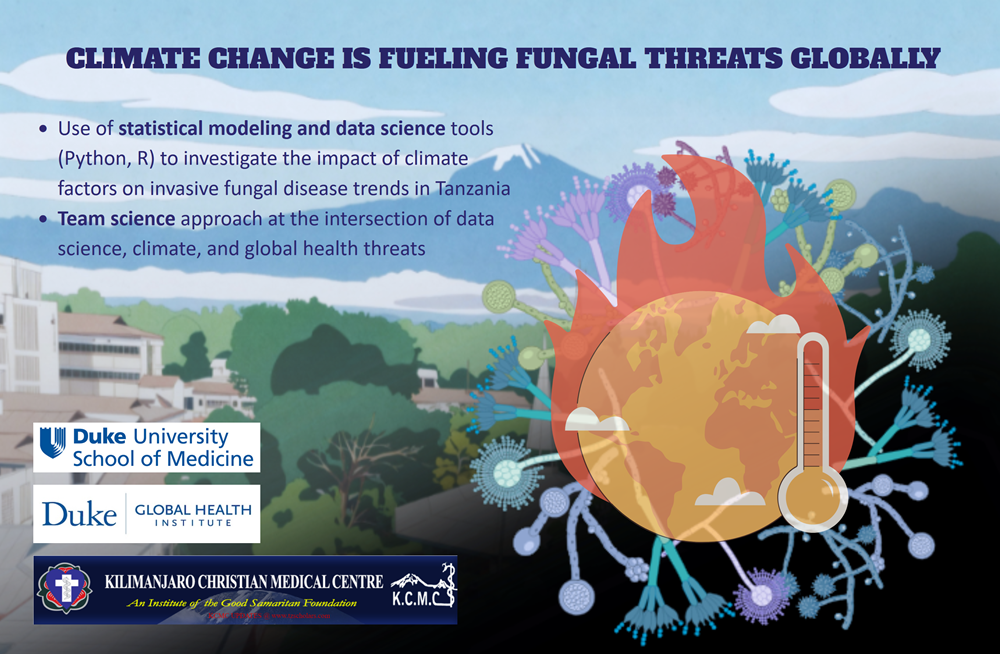
Duke undergraduate students interested in global health or data science along with Drs. Thuy Le and Tom Carpino from the Duke School of Medicine and Duke Global Health Institute, and a group of investigators from the Kilimanjaro Christian Medical Centre in Moshi, Tanzania, will investigate how real-world climate factors impact...
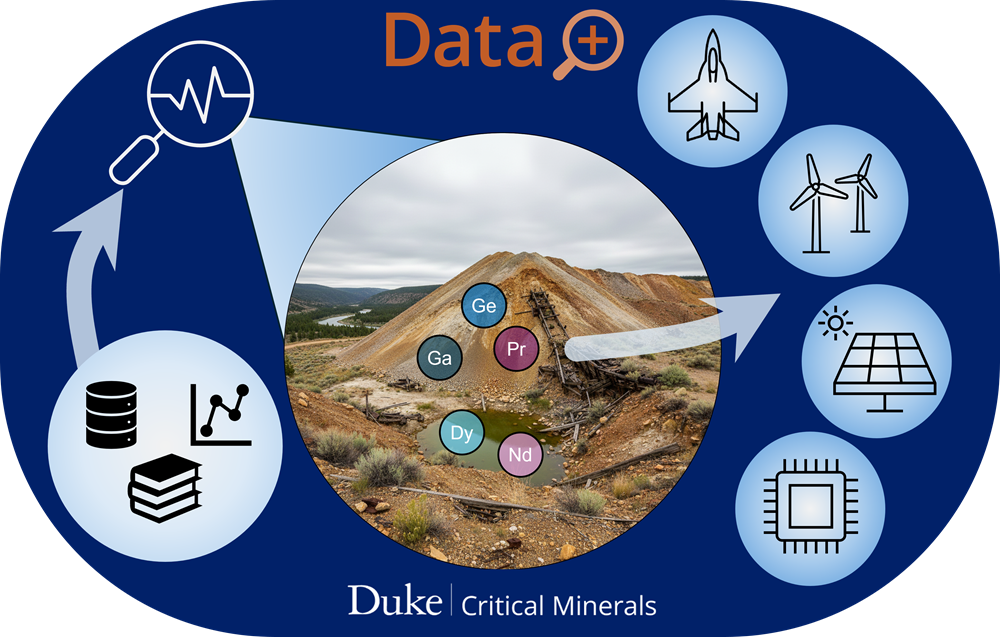
A team of students led by researchers in the Duke University Critical Minerals Hub will use data-driven methods to develop machine learning models that predict critical mineral presence and abundance in mine waste and acid mine drainage. Students will integrate large geological and geochemical datasets, identify key indicators of critical...

A team of students led by Dr. Tananun Songdechakraiwut (Computer Science) and Dr. Michael Lutz (Neurology) will use a newly released dataset from the Alzheimer’s Disease Sequencing Project Phenotype Harmonization Consortium (ADSP-PHC) to study relationships among cognitive measures, brain imaging, biomarkers, and clinical features of Alzheimer’s disease and related dementias...
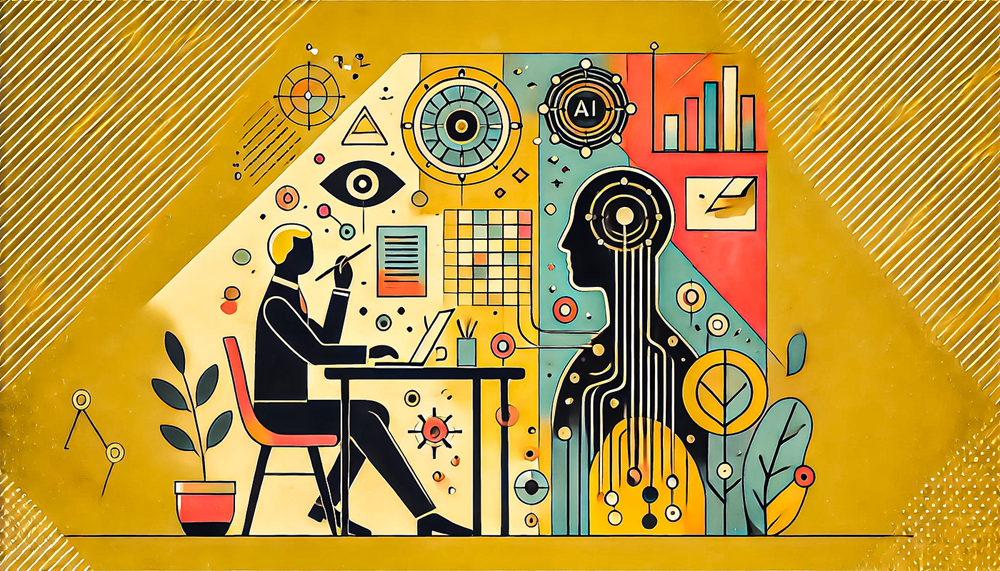
A team of students led by researchers in English and Computer Science will investigate a fundamental question about artificial intelligence: can machines be truly creative? Students will design experiments comparing human and AI storytelling, build datasets and computational tools to measure originality and surprise, and explore what current language models...
Showing 1-20 of 28 results