
2025 Projects
Graduate Students: Alyvia Martinez and Danae Diaz (adapted from Granger and De La Mater 2022) Sponsoring Faculty: Dr. Stephen Nowicki Undergraduate Course: Biology 268-Mechanisms of Animal Behavior Overview: Our Data Expedition focused on introducing students to the application of circular data in regard to animal navigation. Students worked in groups...
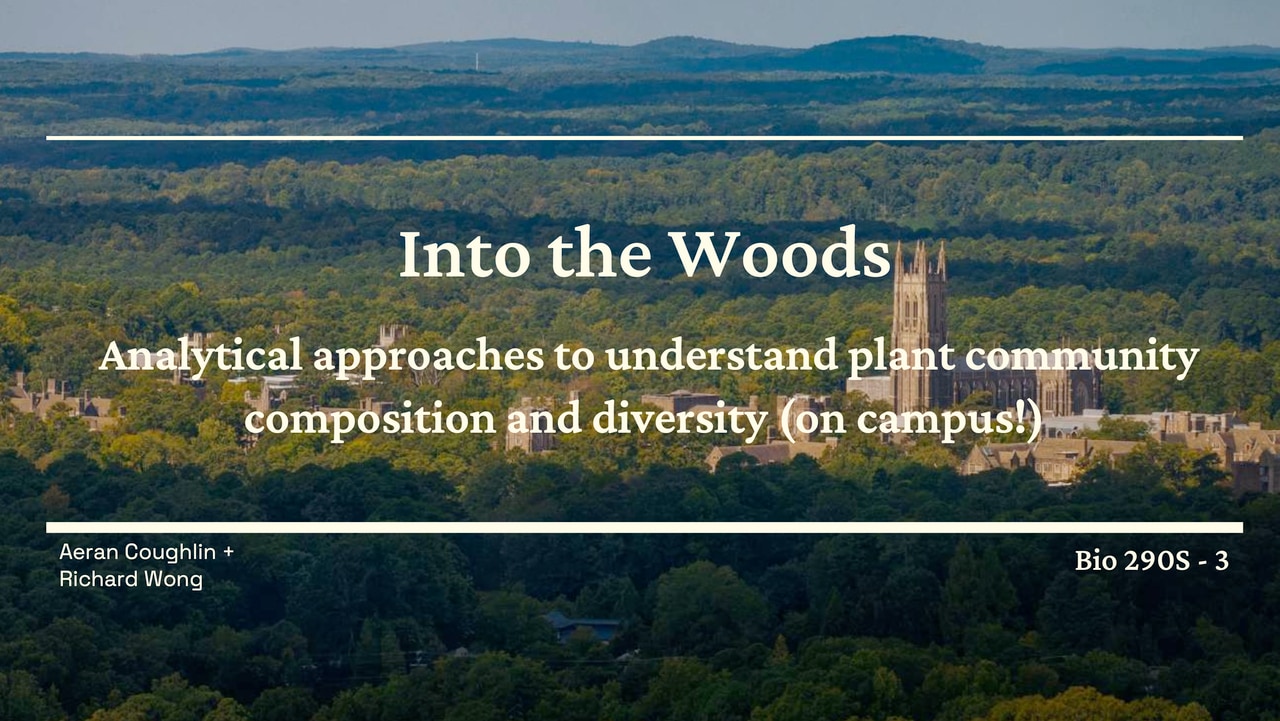
Graduate Students: Aeran Coughlin and Richard J Wong Sponsoring Faculty: Danae Diaz Undergraduate Course: Biology 290S – 3: “Biology By Design” This data expedition focused on plant communities, ecological data exploration, quantifying diversity, linear and generalized linear models, and ordination. Prior to the data expedition, students collected field data in...

The course was designed as a Data Expedition to familiarize senior-level undergraduates with data collection and analysis. We ran the course during the lab section of BIOL 546L on the topic of hair as a mammalian adaptation. Students created testable hypotheses, compared fur/hair samples between species, and graphed their group’s...

This data expedition focused on biological senses, in particular, musicality. The students read and summarized four scientific articles in discussion groups to build their background knowledge when it comes to how humans and animals use pitch and rhythm in music, language, and songs. We then had each student use headphones...

The count of people experiencing homelessness (PEH) in the US hit a record high in 2024. Homelessness, besides its inherent harms, is associated with other injury and broader public health outcomes. As a structural driver of health, these ongoing, dynamic relationships between homelessness and health outcomes deserve robust, ongoing tracking....

The definition of community is often fuzzy at best. However, communities can have both political impacts (such as determining zones for resource allocation) and social ones (such as influencing how information and culture spread). Communities may be defined by existing political subdivisions (such as counties or municipalities), but more nuanced...

A team of students led by researchers in the Durham Public Schools planning department will analyze, map, and visualize student enrollment and demographic data in Durham County. Potential projects for next summer include working with Census and DPS data to develop models that explain DPS enrollment trends historically and across...

This is an innovative project that explores the intersection of artificial intelligence and mathematics. This initiative aims to leverage AI’s capabilities in pattern recognition and exhaustive search to tackle complex problems in discrete mathematics, such as finding counterexamples to open conjectures. By framing these mathematical challenges as computational problems, students...

Students will curate administrative data to conduct Sequence Analysis (SA), a technique used to analyze patterns in sets of categorical sequences over time. Traditional education reports often rely on cross-sectional data (e.g., proportion of students under economic disadvantage), and in tend to overlook the chronic exposure to disadvantages that longitudinal...

This team created “The Survey Navigator,” an interactive platform that helps users discover, compare, and visualize public opinion data. Led by professors Sunshine Hillygus and Alexander Volfovsky, and supported by Duke’s Polarization Lab, we will harness the power of statistics, machine learning, and AI to transform raw survey questions into...

Despite the vast amount of admissions data we collect, there is still limited understanding of what factors are most predictive of admitted students’ decision to attend Duke. Traditional yield models have focused on a small set of variables that have limited power in predicting students’ decisions, and there may be...

Students will create accessible, actionable data on climate risks and climate resilience efforts in the Milwaukee River area. By harnessing existing data sources as inputs for hazard modeling, focused on flooding, students will use techniques to account for uncertainties in inputs, providing more accurate and adaptable risk assessments for communities....
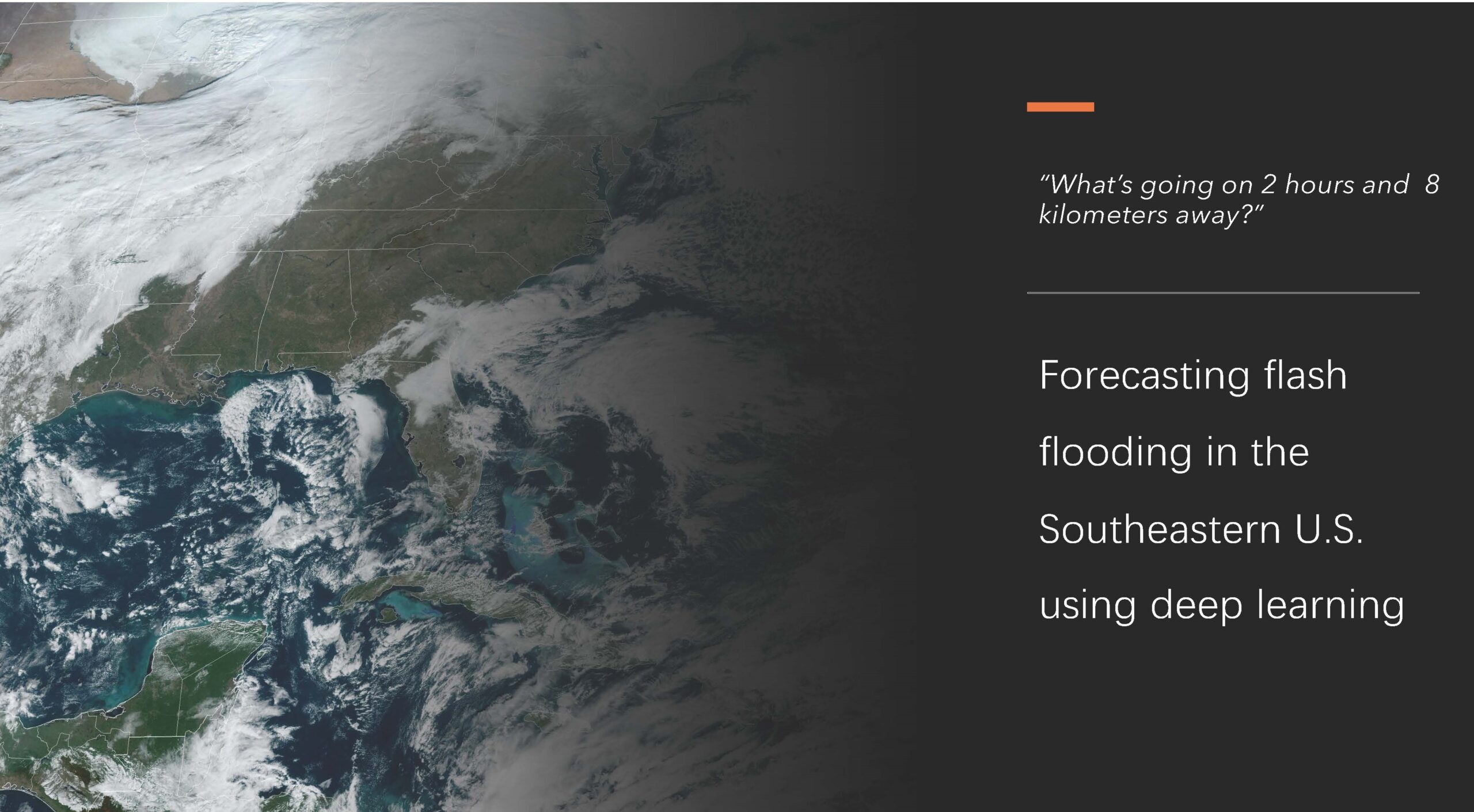
A group of students, guided by climate science and environmental engineering professors, will use deep learning models to enhance flash flood predictions in the Southeastern United States. They will study extreme weather events that contribute to flooding and learn to identify these events using satellite and radar imagery. By applying...

A multidisciplinary team of students will work at the intersection of data science, policy, and food systems to analyze critical agricultural research shaping the science of food, agriculture, and the environment in the United States. Using natural language processing and machine learning, the team will explore federal grant records to...

A team of students led by Ph.D. student Yu Wei and assistant professor Tong Qiu from the Spatial Ecology and Environmental Data Sciences (SEEDS) lab will utilize cutting-edge remote sensing technologies—including hyperspectral imagery and airborne Light Detection and Ranging (LiDAR)—combined with an advanced deep learning framework to enhance forest biodiversity...
A team of researchers associated with the Applied Machine Learning Laboratory will lead a team of students in developing novel machine learning techniques that will be used for improving brain computer interfaces (BCIs) using electroencephalography (EEG) data. Students will learn how to pre-process EEG data, extract EEG features, and train...
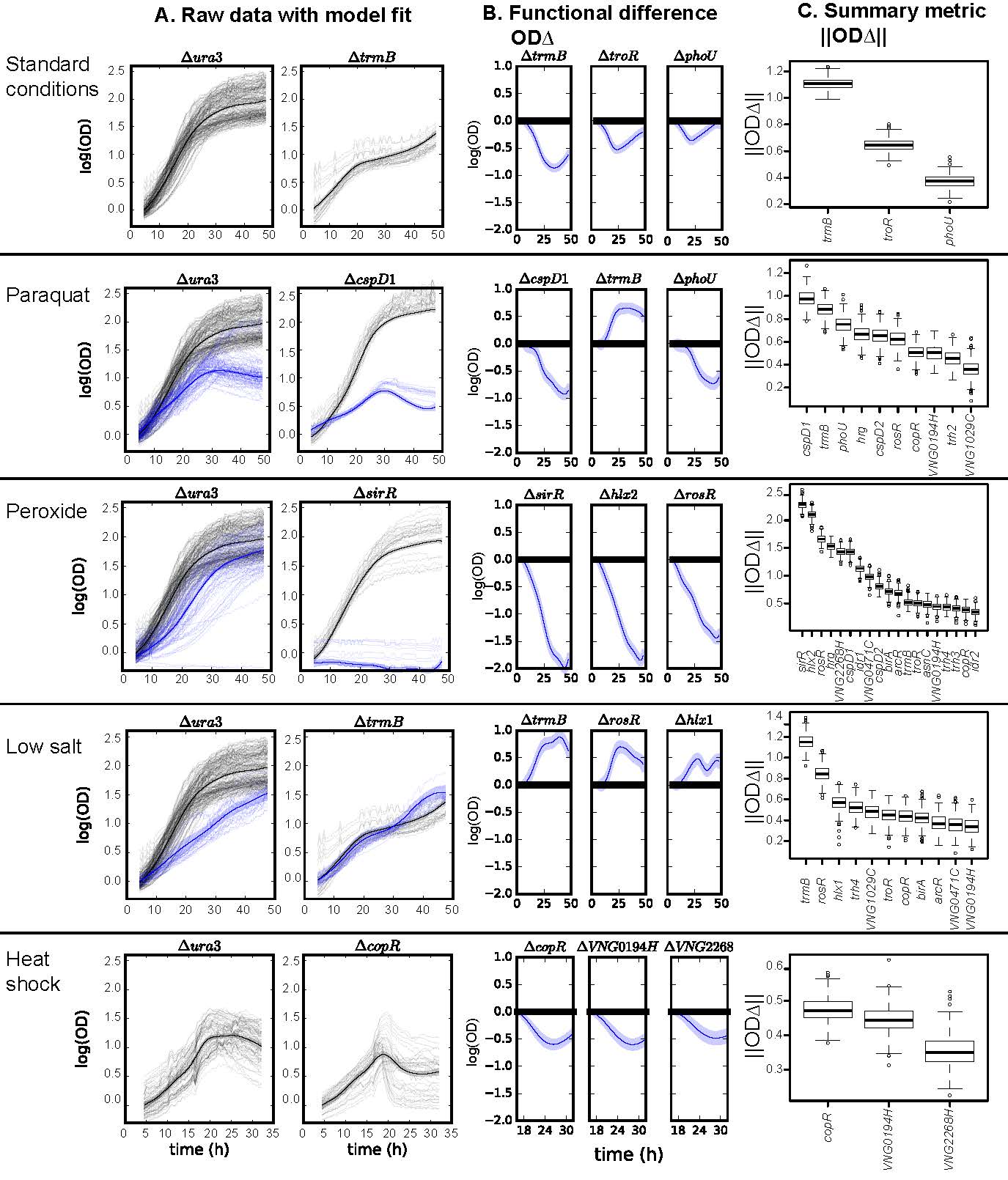
The goal of this Data+ project is to apply and extend custom analytics solutions to understand and predict microbial population growth. An explosion of data has resulted from tracking the growth of bacteria in high throughput devices. These data were generated to understand how microbes grow. Better models that fit...
The 3rd City Mortality project tracks near-real-time data about individual deaths released publicly, along with metadata including data completeness and release speed, for (N=54) US state, federal, and Washington DC prison systems. Data released is often incomplete. Students will work both with mortality data already collected by the 3rd City...

A team of students, collaborating with Professors Mike Bergin, David Carlson, and PhD Candidate Zach Calhoun developed a modeling approach to estimate heat stress in urban areas. Students will further develop a dataset consisting of high-resolution temperature and relative humidity observations in over 60 cities (https://www.heat.gov/pages/mapping-campaigns), satellite imagery and meteorological...
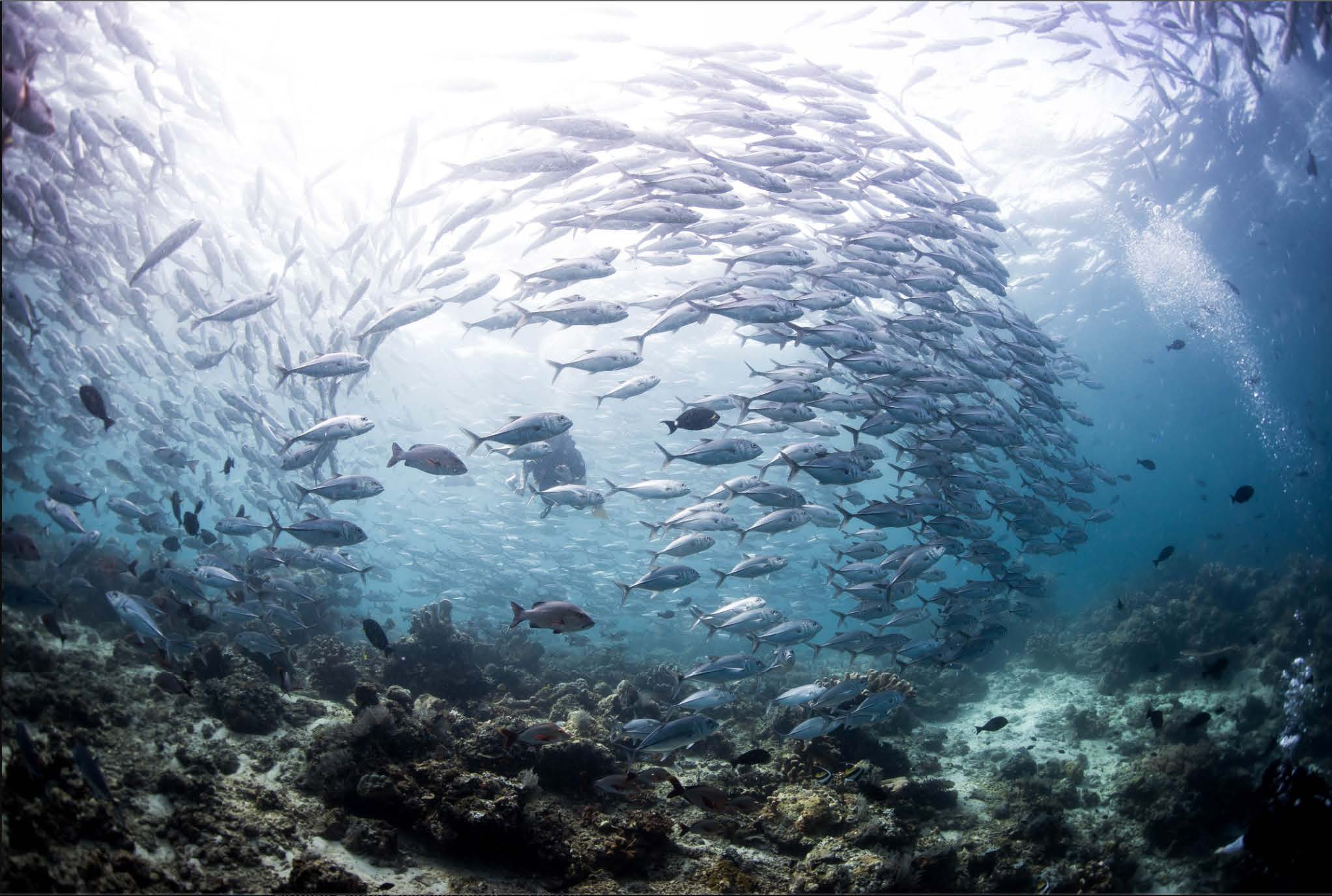
A team of students, led by Nicholas School professor David Gill and Masters student Sameer Swarup, will develop the first global coastal social-environmental atlas: a high-resolution, interactive data platform that provides social, economic, demographic, and environmental data relevant to climate and ocean science and conservation. Students will synthesize spatial and...
Showing 1-20 of 32 results