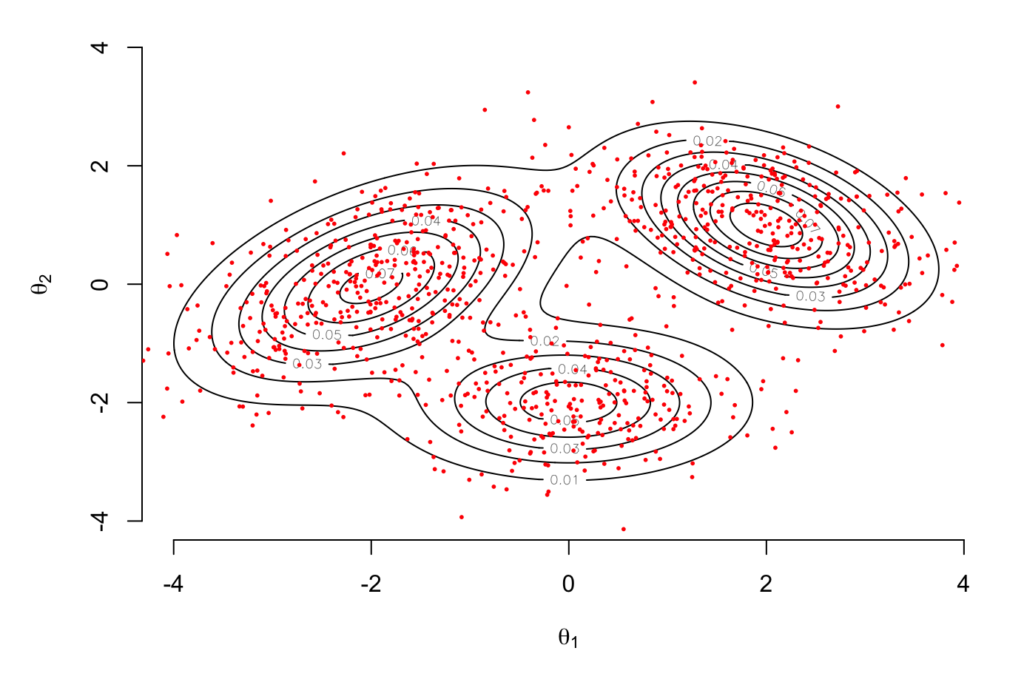
If a statistician is like a cook and a data analysis is like the meal they serve, then this project is about keeping the knives sharp. To perform a Bayesian analysis, we often generate random samples from a complicated probability distribution called the posterior. The algorithms we use to do this can be quite complex and challenging to implement. After we have coded such a sampler, how do we check that we actually did it right? Verifying that a random number generator yields draws from the intended multivariate distribution is a subtle art. This step often gets short shrift, and several published studies have required correction because they were based on an incorrect sampler. To help future researchers avoid this fate, a team of students will evaluate methods for validating posterior samplers. For the first time, we will establish some basic facts about what errors practitioners most commonly commit, how well existing validation methods can detect them, and what graphical diagnostics are most expressive. Students on this project will learn a lot about probability, simulation, software development, and the computational side of Bayesian statistics.
Project Lead: John Zito
Project Manager: TBD