
2026 Projects
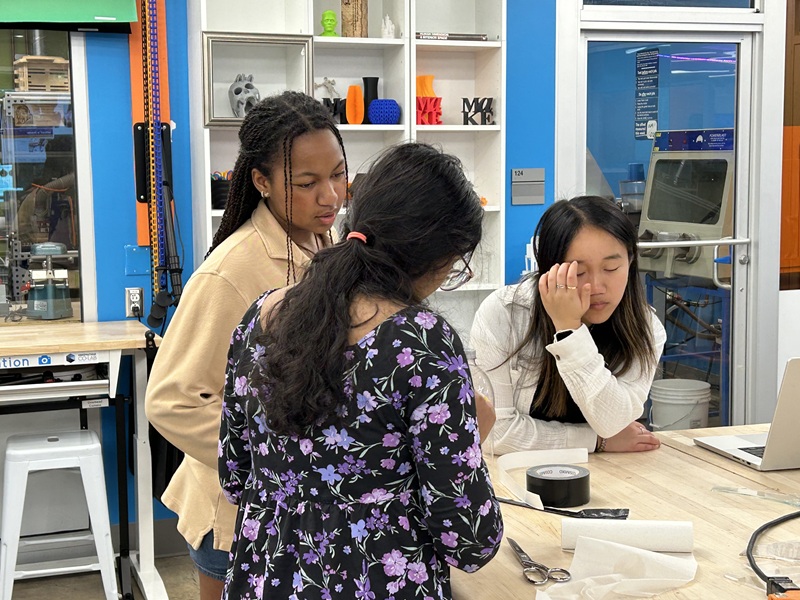
A team of students led by BME professor Megan Madonna, director of Ignite, will transform Ignite’s raw program data into a clean, multi-year database capturing attendance, engagement, retention, survey outcomes, and classroom observations from 2021 to the present. They will analyze data from the 2025–2026 implementation while expanding and standardizing...
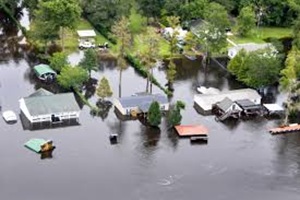
A team of students led by Duke faculty in engineering, economics, and environmental policy will study how investments in flood protection, such as levees, stormwater systems, and nature-based solutions, affect not only flood risk, but also local property values, tax revenues, and community financial resilience. Students will combine climate, economic,...
![srcuacslogo2[76]](https://bigdata.duke.edu/wp-content/uploads/2025/12/srcuacslogo276.jpg)
This project examines how high school Career and Technical Education (CTE) programs in North Carolina Community Schools connect with nearby community college certificate programs and local workforce needs, especially in rural counties. Using publicly available data from state education, workforce, and economic agencies, the study looks at whether students have...
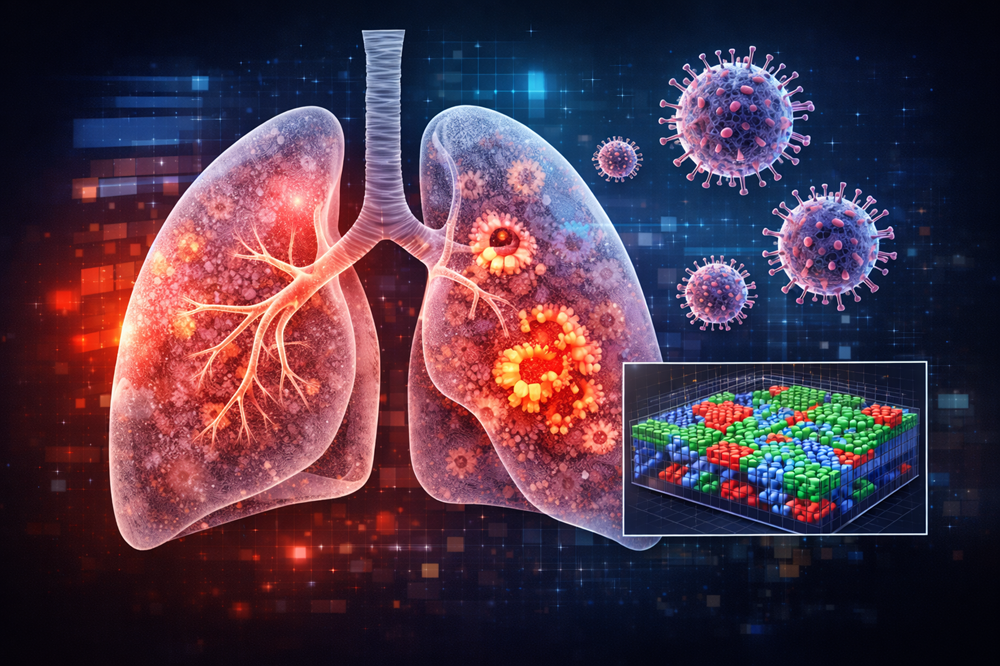
A team of students led by researchers in the Hickey Lab in Biomedical Engineering at Duke University will develop computer-based simulations to understand how influenza spreads through human lung tissue and how the immune system controls infection. Using real biological images and data from influenza-infected lungs, students will build interactive...
A team of students will collaborate with the Durham Public Schools planning department to develop and refine capacity and student assignment optimization models. This project will be a continuation of work started by the 2025 Data+ team and will allow DPS to site new school capacity in line with future...
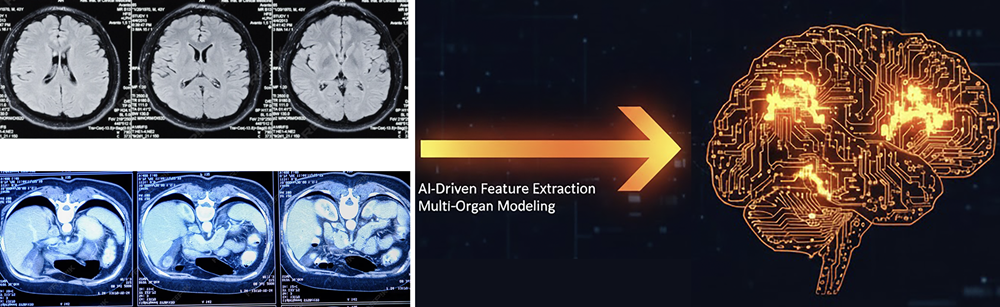
A team of students led by researchers in the Quantitative Imaging and Analysis Laboratory will use deep learning to decode the ‘neurocardiac circuits’ that link cardiometabolic health to cognitive aging. By relating heart metrics from cardiac imaging to brain data, students will identify how metabolic health modulates pathways that influence...
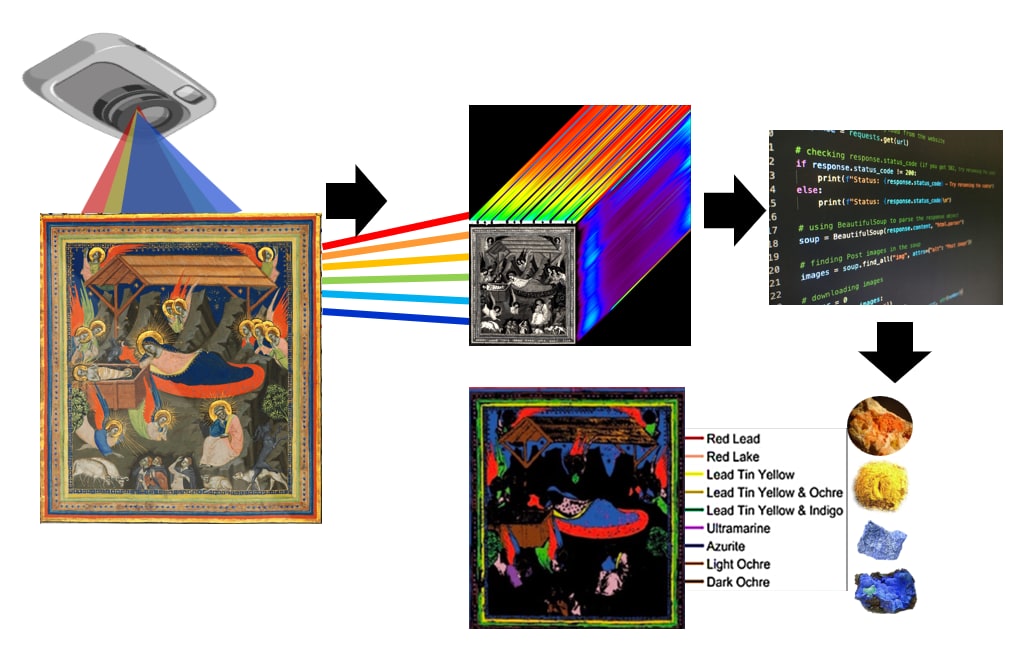
Historic artworks offer a unique window into the past, providing rich insight into history, culture, and tradition. Despite their profound significance, many works remain shrouded in mystery, raising questions about their origins, creators, and the circumstances of their production. Some of these questions can be addressed through advanced image acquisition...
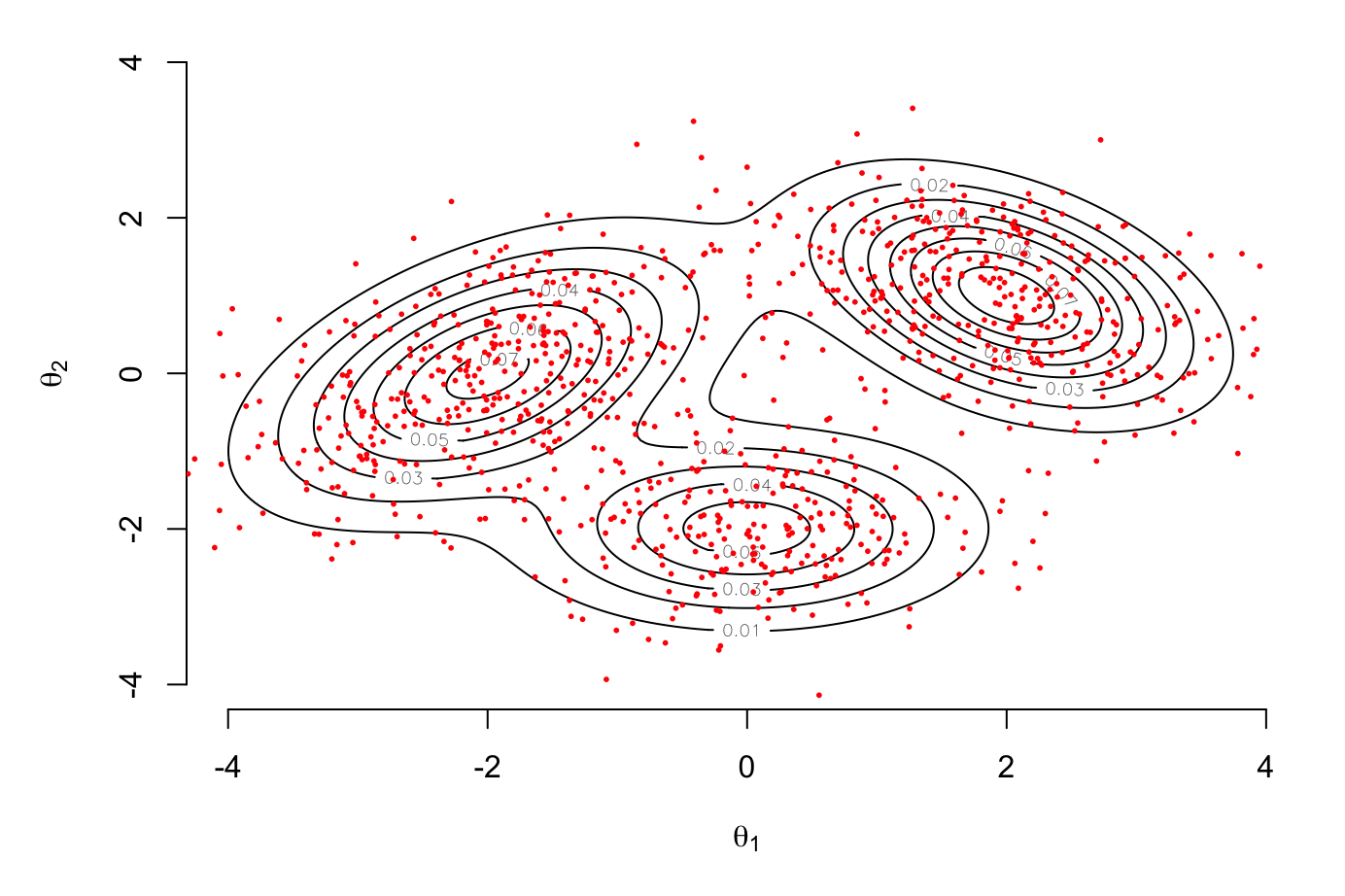
If a statistician is like a cook and a data analysis is like the meal they serve, then this project is about keeping the knives sharp. To perform a Bayesian analysis, we often generate random samples from a complicated probability distribution called the posterior. The algorithms we use to do this...

A team of students led by researchers in English and Computer Science will investigate a fundamental question about artificial intelligence: can machines be truly creative? Students will design experiments comparing human and AI storytelling, build datasets and computational tools to measure originality and surprise, and explore what current language models...

A team of students led by Dr. Tananun Songdechakraiwut (Computer Science) and Dr. Michael Lutz (Neurology) will use a newly released dataset from the Alzheimer’s Disease Sequencing Project Phenotype Harmonization Consortium (ADSP-PHC) to study relationships among cognitive measures, brain imaging, biomarkers, and clinical features of Alzheimer’s disease and related dementias...
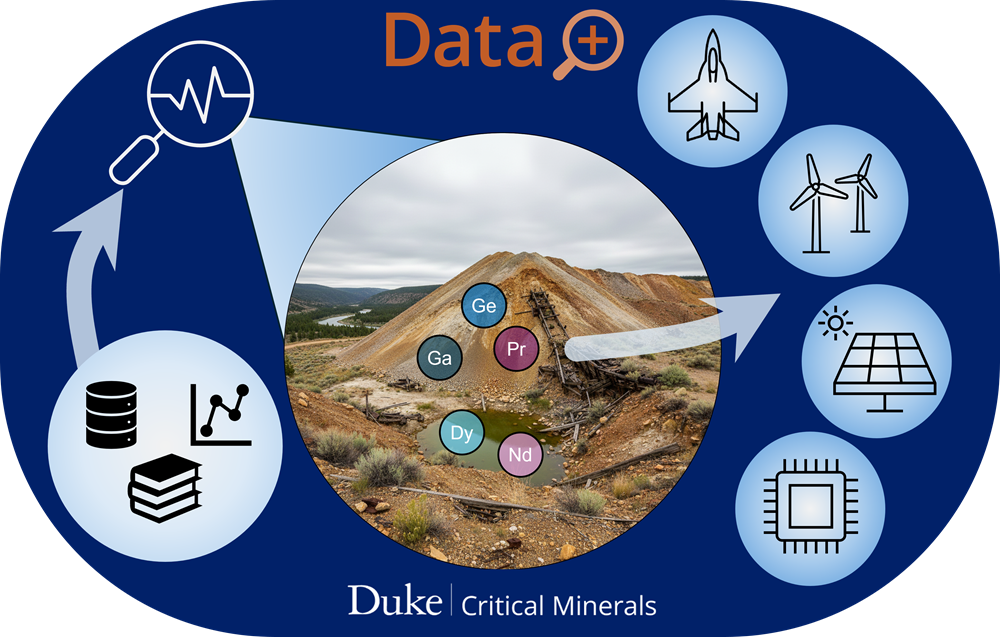
A team of students led by researchers in the Duke University Critical Minerals Hub will use data-driven methods to develop machine learning models that predict critical mineral presence and abundance in mine waste and acid mine drainage. Students will integrate large geological and geochemical datasets, identify key indicators of critical...
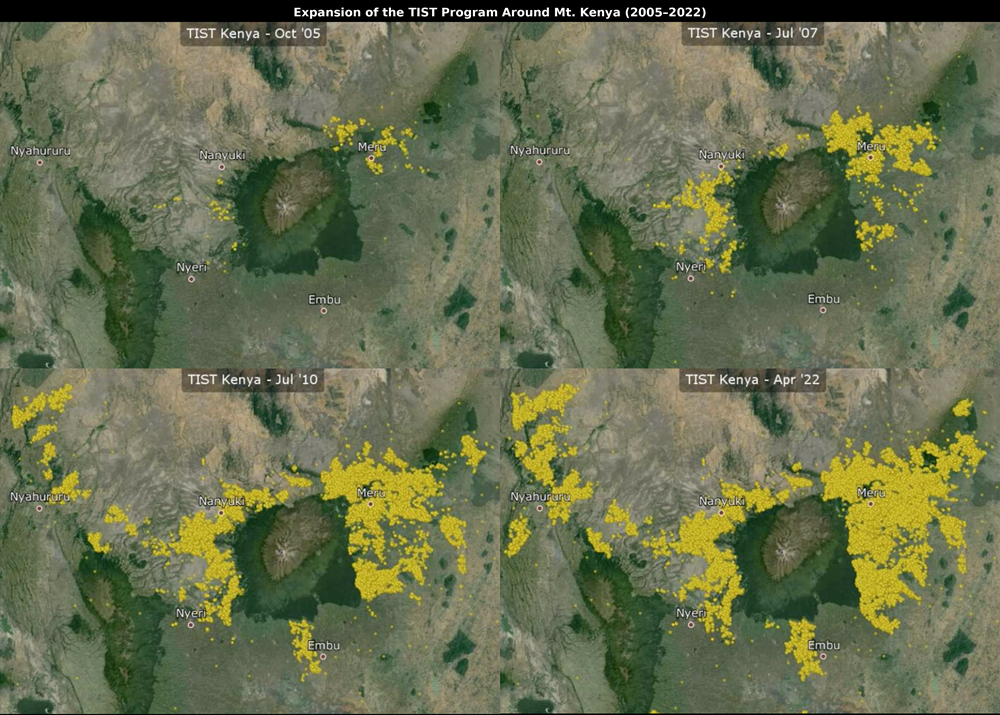
A team of students led by researchers in the Nicholas School of the Environment will use satellite imagery and spatial data in Google Earth Engine (GEE) to determine how a quarter-million smallholder farmers across East Africa and India have successfully scaled tree planting as a natural climate solution over the...
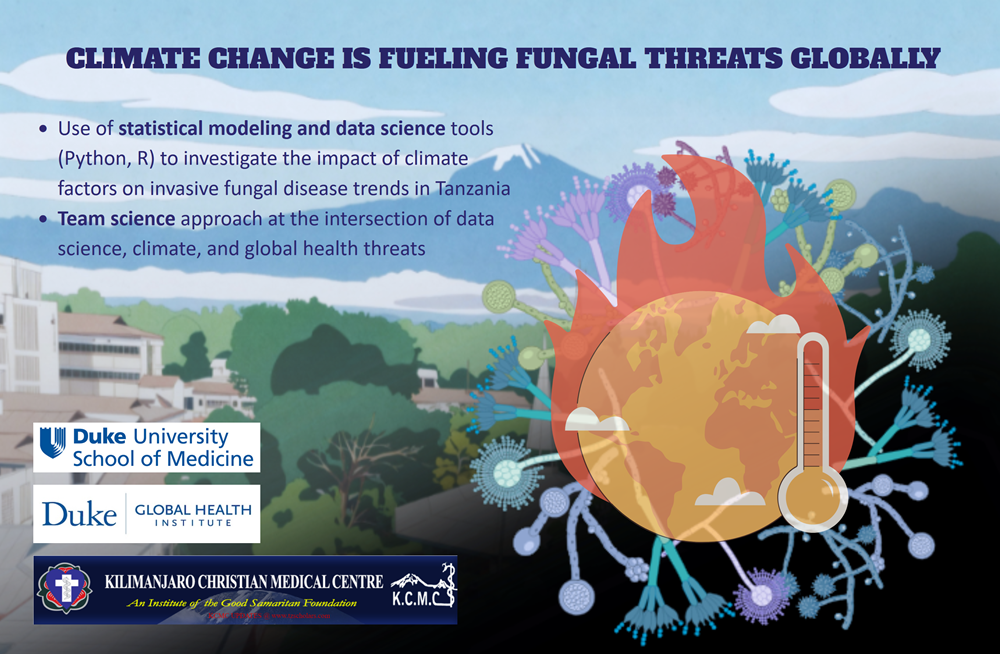
Duke undergraduate students interested in global health or data science along with Drs. Thuy Le and Tom Carpino from the Duke School of Medicine and Duke Global Health Institute, and a group of investigators from the Kilimanjaro Christian Medical Centre in Moshi, Tanzania, will investigate how real-world climate factors impact...
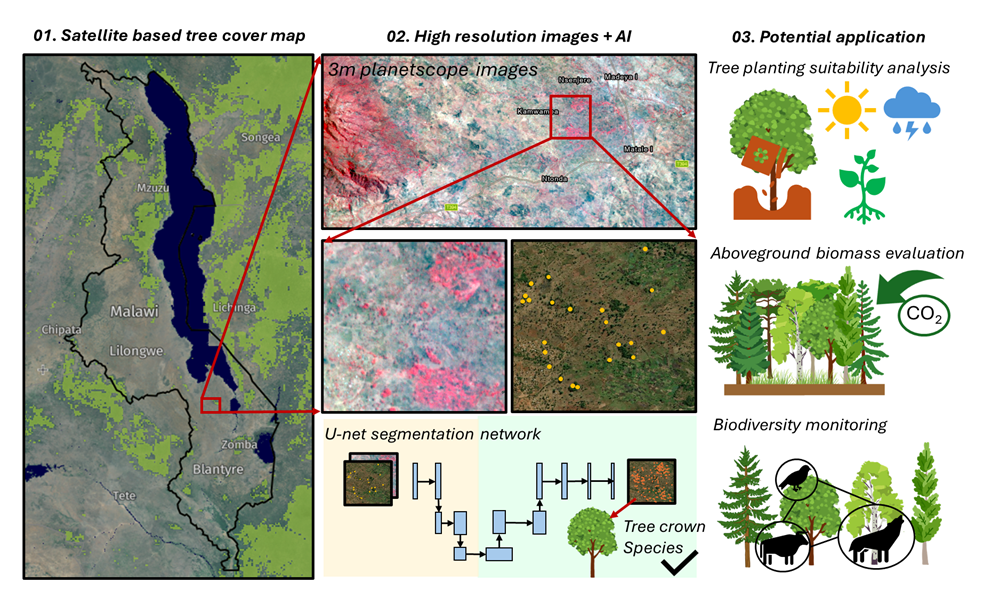
A team of students will combine cutting-edge, high-resolution satellite imagery with a state-of-the-art AI and pattern-recognition framework to improve restoration outcomes across sub-Saharan Africa. Students will map trees both inside forests and across farms and villages using a deep learning model, then link those maps to socioeconomic factors and biophysical...
This team of students will study a dataset that combines data from the Durham County Detention Facility and Duke Health, with an interest in examining the intersection of mental illness and incarceration. This summer’s goal will be to develop data visualizations that help to show the effect of supportive programs...
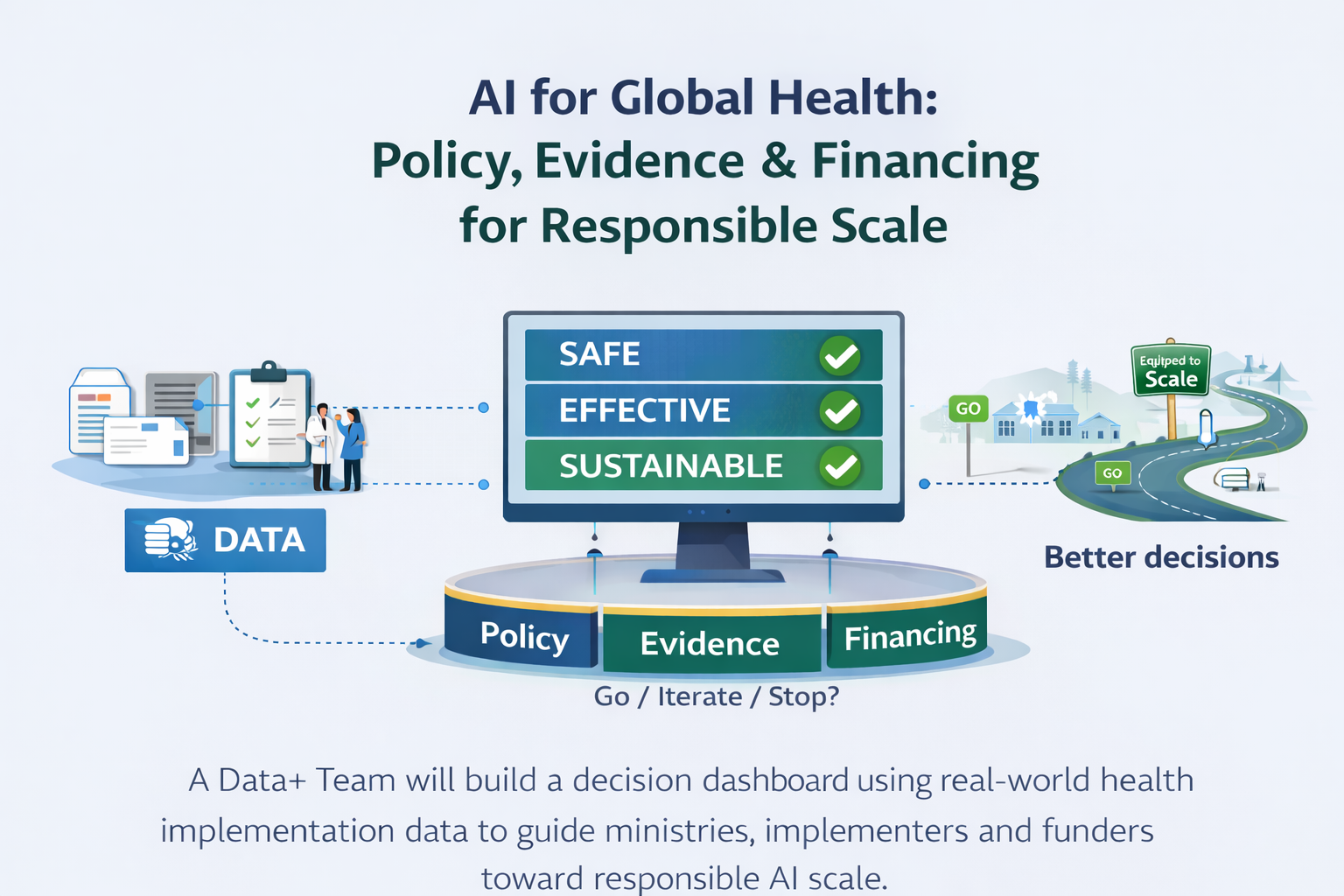
This Data+ project puts you on the front lines of a real question ministries and funders are facing right now: should we scale this AI health tool—or shut it down? You’ll work with real implementation data from global health innovators to clean, validate, and turn messy reality into decision-ready visuals....
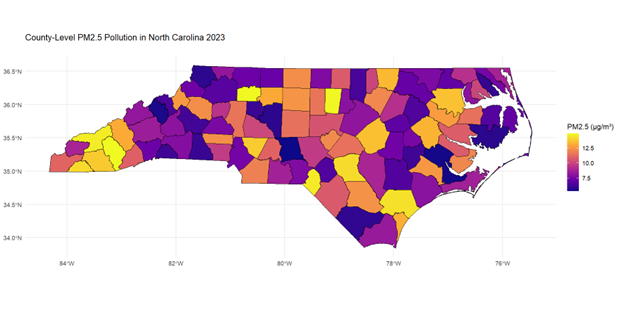
Explore Climate and Health Equity with Duke’s REGAL Lab! Join the Research to Eliminate Global Cancer Disparities (REGAL) Lab at the Duke University School of Medicine for a hands-on research experience on climate and health equity. Students will compile and analyze North Carolina county-level environmental indicators, such as air quality,...
Redistricting determines whose voices count, yet few young North Carolinians understand how district lines shape their power as voters. “YouthMaps” will bring Duke students together with the NC Counts Coalition to analyze and visualize how redistricting and gerrymandering impact youth representation, turnout, and policy voice in North Carolina. Project Lead:...
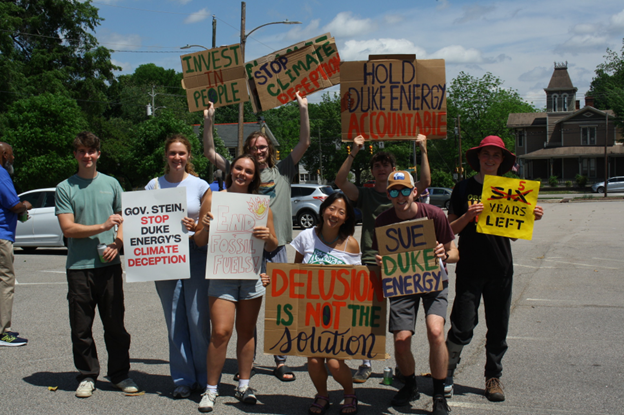
A team of students led by Pratt professor Rachel Beaudoin will develop generalizable models to quantify the greenhouse gas footprint of Durham organizations and to assess the impacts of decarbonization projects. Students will work with a dataset of Durham Public Schools’ historical energy and procurement data to develop a model...
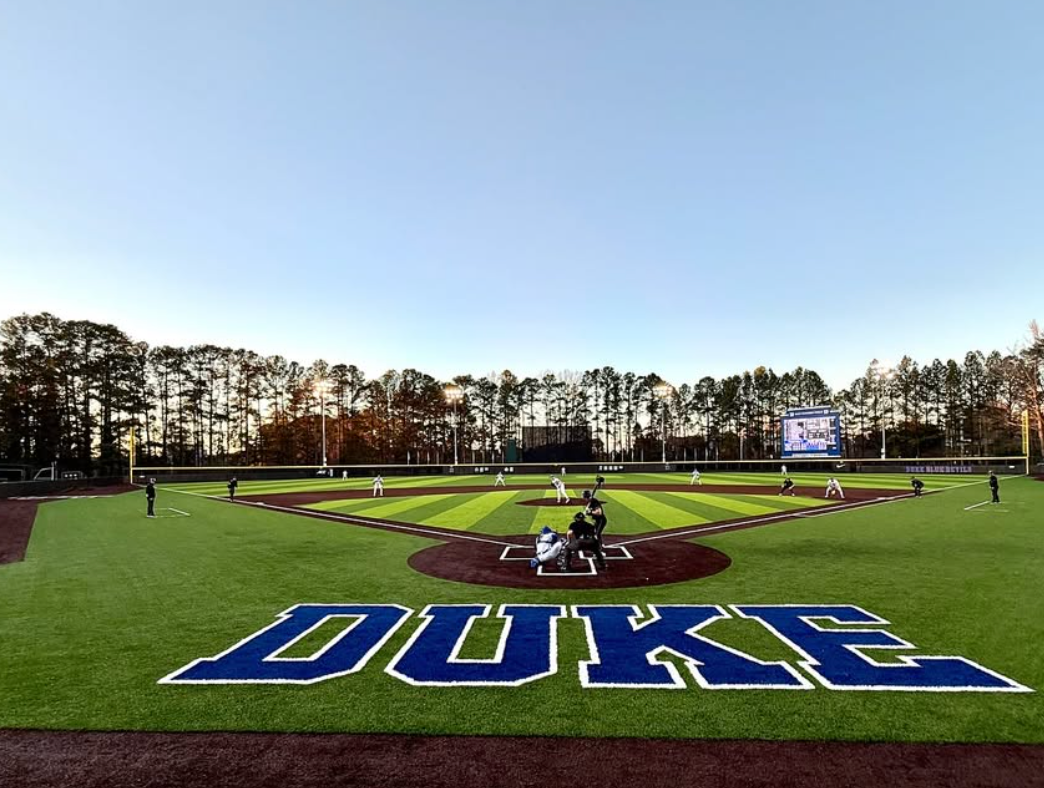
Duke Baseball Analytics team is looking to create a metric called Pitcher WAR. This metric is widely used throughout Major League Baseball to evaluate talent and use as evidence during contract negotiations. WAR stands for Wins Above Replacement, which allows you to see what the value of each player is...
Showing 1-20 of 26 results