
2019 Projects
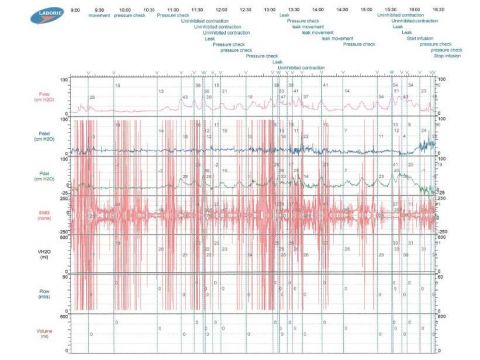
Nathaniel Choe (ECE) and Mashal Ali (Neuroscience) spent ten weeks developing machine-learning tools to analyze urodynamic detrusor pressure data of pediatric spina bifida patients from the Duke University Hospital. The team built a pipeline that went from raw time series data to signal analysis to dimension reduction to classification, and has the potential...

Dennis Harrsch, Jr. ( Computer Science ), Elizabeth Loschiavo ( Sociology ), and Zhixue (Mary) Wang ( Computer Science, Statistics ) spent ten weeks improving upon the team’s web platform that allows users to examine contraceptive use in low and middle income (LMIC) countries collected by the Demographic and Health Survey (DHS) contraceptive calendar. The...

Jett Hollister (Mechanical Engineering) and Lexx Pino (Computer Science, Math) joined Economics majors Shengxi Hao and Cameron Polo in a ten week study of the late 2000s housing bubble. The team scraped, merged, and analyzed a variety of datasets to investigate different proposed causes of the bubble. They also created interactive visualizations of their data which will...

The students in this project worked on a pervasive question in literary, film, and copyright studies: how do we know when a new work of fiction borrows from an older one? Many times, works are appropriated, rather than straightforwardly adapted, which makes it difficult for human readers to trace. As...

Katelyn Chang (Computer Science, Math) and Haynes Lynch (Environmental Science, Policy) spent ten weeks building tools to analyze and visualize geospatial and remote sensing data arising from the Alligator River National Wildlife Refuge (ARNWR). The team produced interactive maps of physical characteristics that were tailored to specific refuge management professionals, and also built classifiers for...
Aidan Fitzsimmons (Public Policy, Mathematics, Electrical & Computer Engineering), Joe Choo (Mathematics, Economics) and Brooke Scheinberg (Mathematics) spent ten weeks partnering with the Durham Crisis Intervention Team, the Criminal Justice Resource Center, and the Stepping Up Initiative. Utilizing booking data of 57,346 individuals provided by the Durham County Jail, this team was able to create visualizations and predictive...
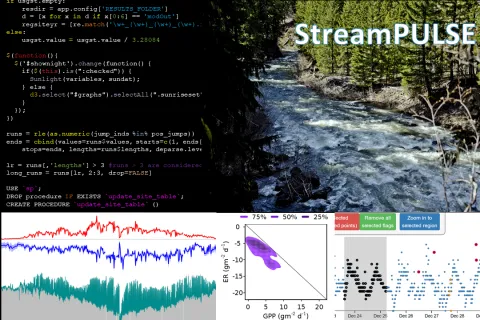
Vivek Sahukar (Masters, Data Science), Yuval Medina (Computer Science), and Jin Cho (Computer Science/Electrical & Compter Engineering) spent ten weeks creating tools to help augment the experience of users in the StreamPULSE community. The team created an interactive guide and used data sonification methods to help users navigate and understand the data, and they used a mixture...

Interested in understanding the types of attacks targeting Duke and other universities? Led by OIT and the IT Security Office, students will learn to analyze threat intelligence data to identify trends and patterns of attacks. Duke blocks an average of 1.5 billion malicious connection attempts/day and is working with other universities...
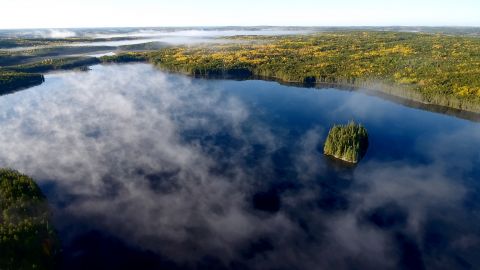
Vincent Wang (Computer Science, CE), Karen Jin (Bio/Stats), and Katherine Cottrell (Computer Science) spent ten weeks building tools to educate the public about lake dynamics and ecosystem health. Using data collected over a period of 50 years at the Experimental Lake Area (ELA) in Ontario, the team preprocessed and merged datasets, made a...
Bernice Meja (Philosophy, Physics), Jessica Yang (Computer Science, ECE), and Tracey Chen (Computer Science, Mechanical Engineering) spent ten weeks building methods for Duke’s Office of Information Technology (OIT) to better understand information arising from “smart” (IoT) devices on campus. Working with data provided by an IoT testbed set up by OIT professionals, the team used a mixture...
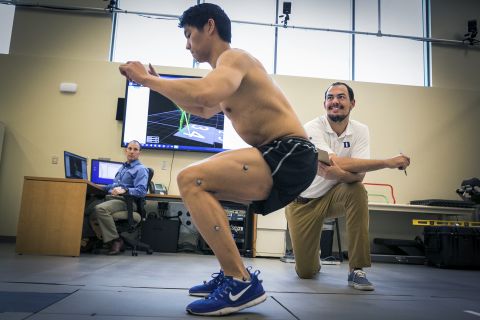
Maria Henriquez (Computer Science, Statistics) and Jacob Sumner (Biology) spent ten weeks building tools to help the Michael W. Krzyzewski Human Performance Lab best utilize its data from Duke University student athletes. The team worked with a large collection of athlete strength, balance, and flexibility measurements collected by the lab. They improved the K Lab’s...
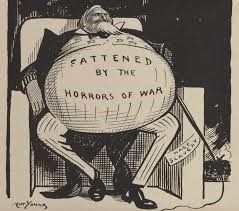
How Much Profit is Too Much Profit? Chris Esposito (Economics), Ruoyu Wu (Computer Science), and Sean Yoon (Masters, Decision Sciences) spent ten weeks building tools to investigate the historical trends of price gouging and excess profits taxes in the United States of America from 1900 to the present. The team used a variety of text-mining...
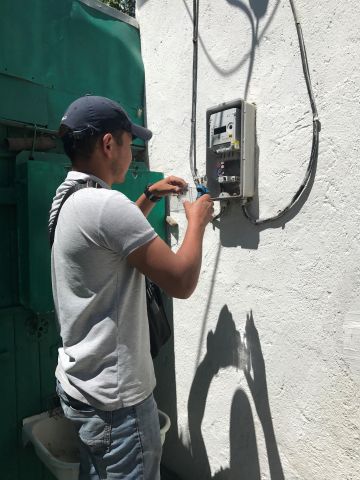
Yanchen Ou (Computer Science) and Jiwoo Song (Chemistry, Mechanical Engineering) spent ten weeks building tools to assist in the analysis of smart meter data. Working with a large dataset of transformer and household data from the Kyrgyz Republic, the team built a data preprocessing pipeline and then used unsupervised machine-learning techniques to assess...
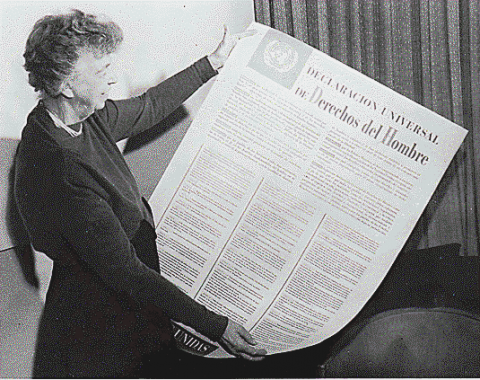
The aim of this project was to explore how U.S. mass media—particularly newspapers—enlists text and imagery to portray human rights, genocide, and crimes against humanity from World War II until the present. From the Holocaust to Cambodia, from Rwanda to Myanmar, such representation has political consequences. Coined by Raphael Lemkin,...
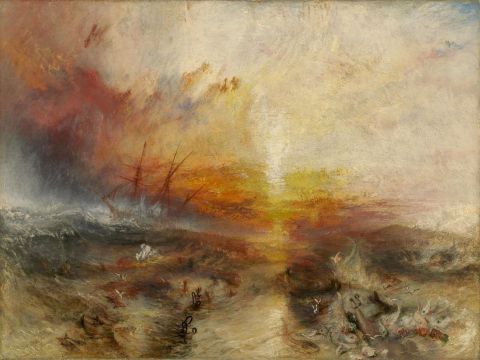
The Middle Passage, the route by which most enslaved persons were brought across the Atlantic to North America, is a critical locus of modern history—yet it has been notoriously difficult to document or memorialize. The ultimate aim of this project is to employ the resources of digital mapping technologies as...
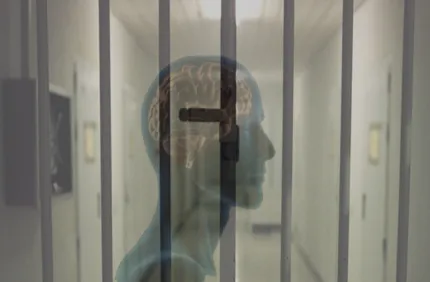
Micalyn Struble (Computer Science, Public Policy), Xiaoqiao Xing (Economics), and Eric Zhang (Math) spent ten weeks exploring the use of neuroscience as evidence in criminal trials. Working with a large set of case files downloaded from WestLaw, the team used natural language processing to build a predictive model that has the potential to automate the...

Team A: Video data extraction Alexander Bendeck (Computer Science, Statistics) and Niyaz Nurbhasha (Economics) spent ten weeks building tools to extract player and ball movement in basketball games. Using freely available broadcast-angle video footage which required much cleaning and pre-processing, the team used OpenPose software and employed neural network methodologies. Their pipeline fed...

Cathy Lee (Statistics) and Jennifer Zheng (Math, Emory University) spent ten weeks building tools to help Duke University Libraries better understand its journal purchasing practice. Using a combination of web-scraping and data-merging algorithms, the team created a dashboard to help library strategists visualize and optimize journal selection. Click here to read the Executive Summary Faculty...

Marco Gonazales Blancas (Civil Engineering) and Mengjie Xiu (Masters, BioStatistics) spent ten weeks building tools to help Duke reduce its energy footprint and achieve carbon neutrality by 2024. The team processed and analyzed troves of utility consumption data and then created practical monthly energy use reports for each school at Duke. These reports...

Yoav Kargon (Mechanical Engineering) and Tommy Lin (Chemistry, Computer Science) spent ten weeks working with data from the Water Quality Portal (WQP), a large national dataset of water quality measurements aggregated by the USGS and EPA. The team went all the way from raw data to the production of Pondr, an interactive and...
Showing 1-20 of 35 results