
Energy Data Analytics Projects
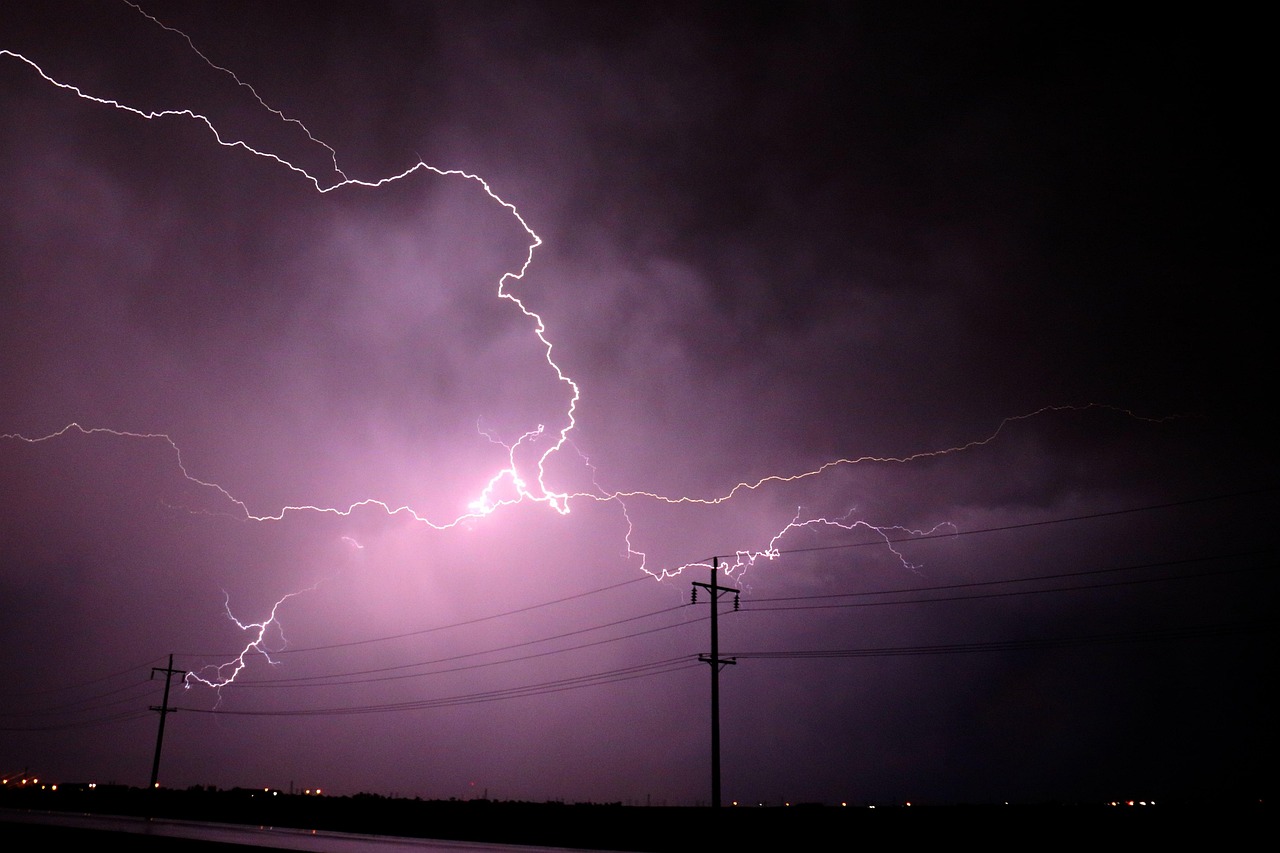
Accurate forecasting of weather variables -including humidity, temperature, dew point, cloud cover, and wind speed and direction- is critical for improving predictions of both renewable energy generation and electricity demand, and for managing emerging challenges associated with the rapid growth of data centers energy needs. In this project, we analyze...
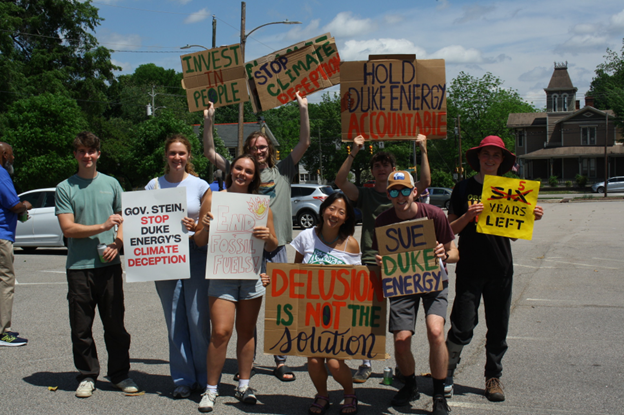
A team of students led by Pratt professor Rachel Beaudoin will develop generalizable models to quantify the greenhouse gas footprint of Durham organizations and to assess the impacts of decarbonization projects. Students will work with a dataset of Durham Public Schools’ historical energy and procurement data to develop a model...
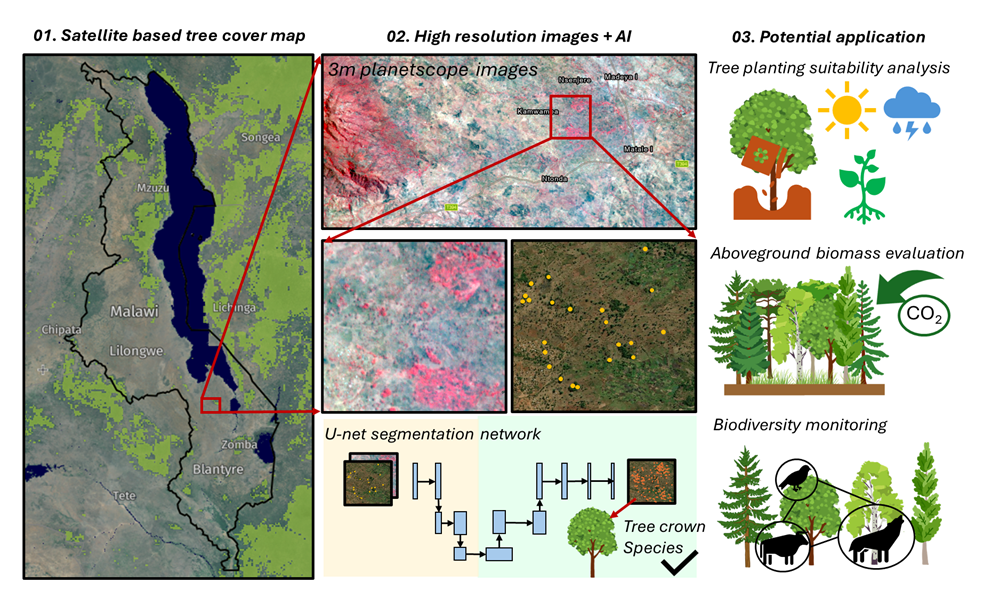
A team of students will combine cutting-edge, high-resolution satellite imagery with a state-of-the-art AI and pattern-recognition framework to improve restoration outcomes across sub-Saharan Africa. Students will map trees both inside forests and across farms and villages using a deep learning model, then link those maps to socioeconomic factors and biophysical...
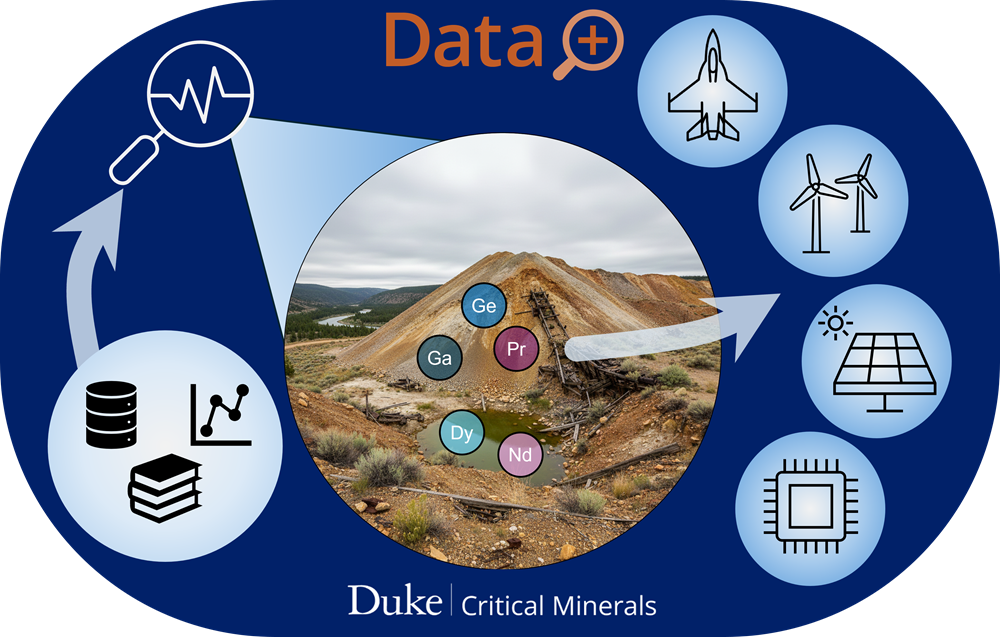
A team of students led by researchers in the Duke University Critical Minerals Hub will use data-driven methods to develop machine learning models that predict critical mineral presence and abundance in mine waste and acid mine drainage. Students will integrate large geological and geochemical datasets, identify key indicators of critical...
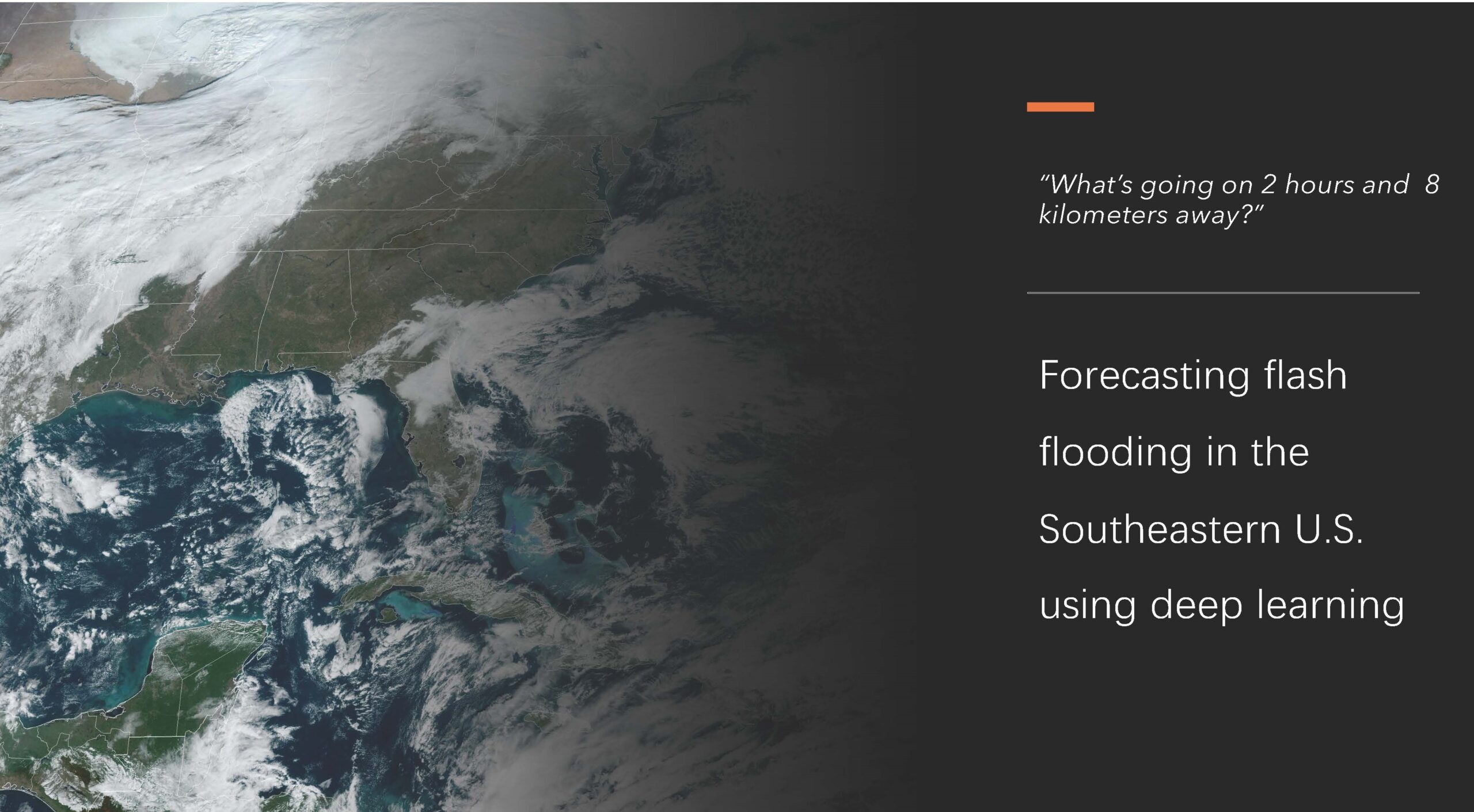
A group of students, guided by climate science and environmental engineering professors, will use deep learning models to enhance flash flood predictions in the Southeastern United States. They will study extreme weather events that contribute to flooding and learn to identify these events using satellite and radar imagery. By applying...

A team of students, collaborating with Professors Mike Bergin, David Carlson, and PhD Candidate Zach Calhoun developed a modeling approach to estimate heat stress in urban areas. Students will further develop a dataset consisting of high-resolution temperature and relative humidity observations in over 60 cities (https://www.heat.gov/pages/mapping-campaigns), satellite imagery and meteorological...
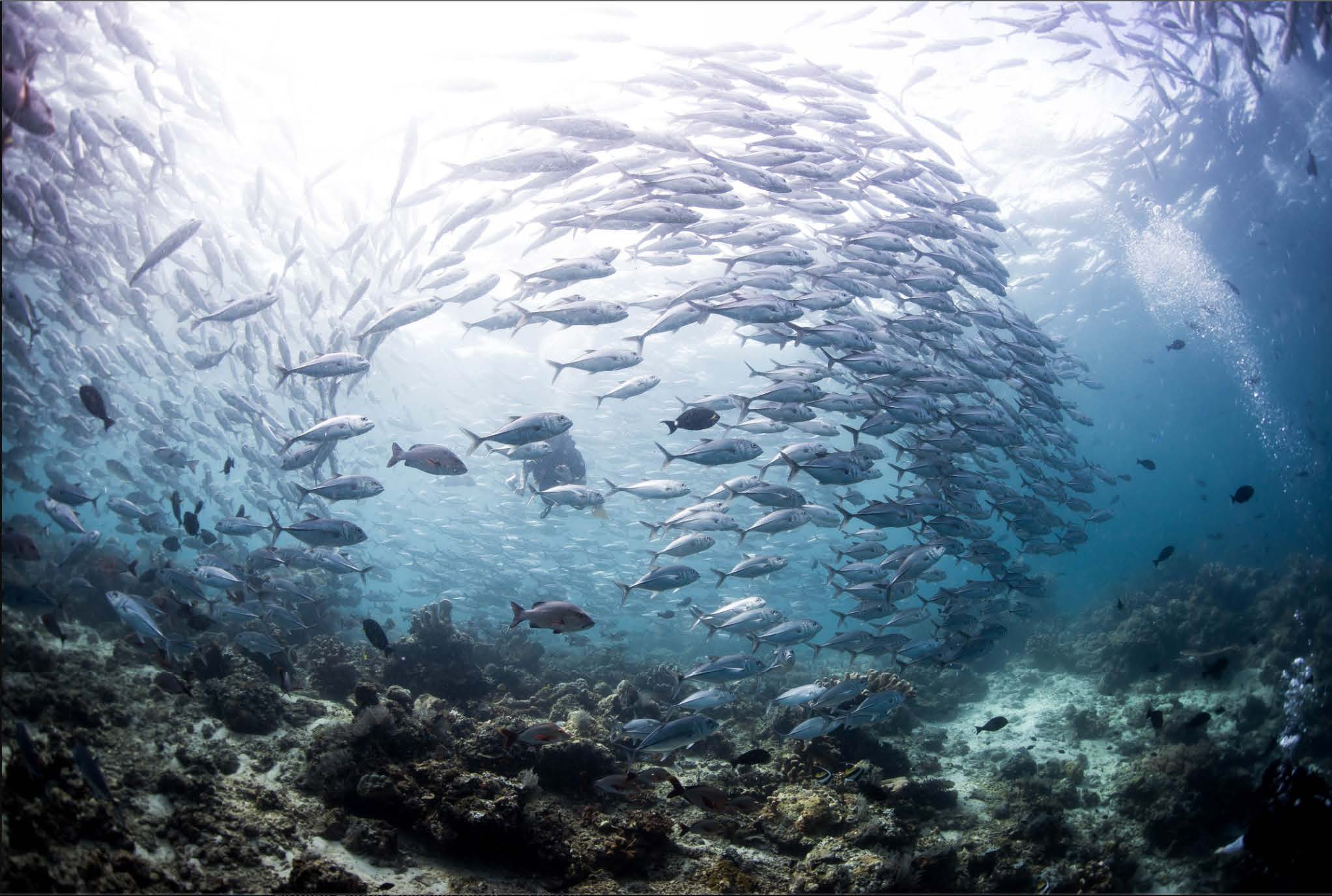
A team of students, led by Nicholas School professor David Gill and Masters student Sameer Swarup, will develop the first global coastal social-environmental atlas: a high-resolution, interactive data platform that provides social, economic, demographic, and environmental data relevant to climate and ocean science and conservation. Students will synthesize spatial and...

A team of students led by staff from the Duke Office of Climate and Sustainability will explore improvements to Duke University’s greenhouse gas data system. Students will see how the data flows through campus and how it is ultimately used to quantify and report on Duke’s contribution to climate change...
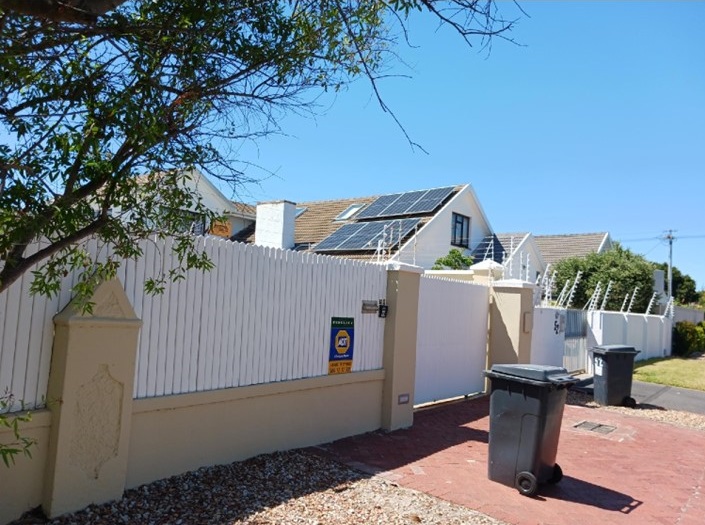
A team of students led by researchers in the Energy Data Analytics Lab and the Sustainable Energy Transitions Initiative will develop a method to evaluate electricity access in developing countries through machine learning techniques applied to aerial imagery data. Students will first improve the accuracy of the solar array identifying...

This project helped to build a globally scalable foundation model to enable near real-time tracking of climate change causes and impacts. A foundation model is a model (usually a deep neural network) that has been trained on a large and diverse set of data, after which it can be adapted...

Students collaborated with CEE Professors David Carlson and Mike Bergin to model the effects of land use on the urban heat island effect using satellite imagery and ground-level temperature measurements. Students used machine learning to segment satellite images of Durham, North Carolina by land use. They then paired land use...
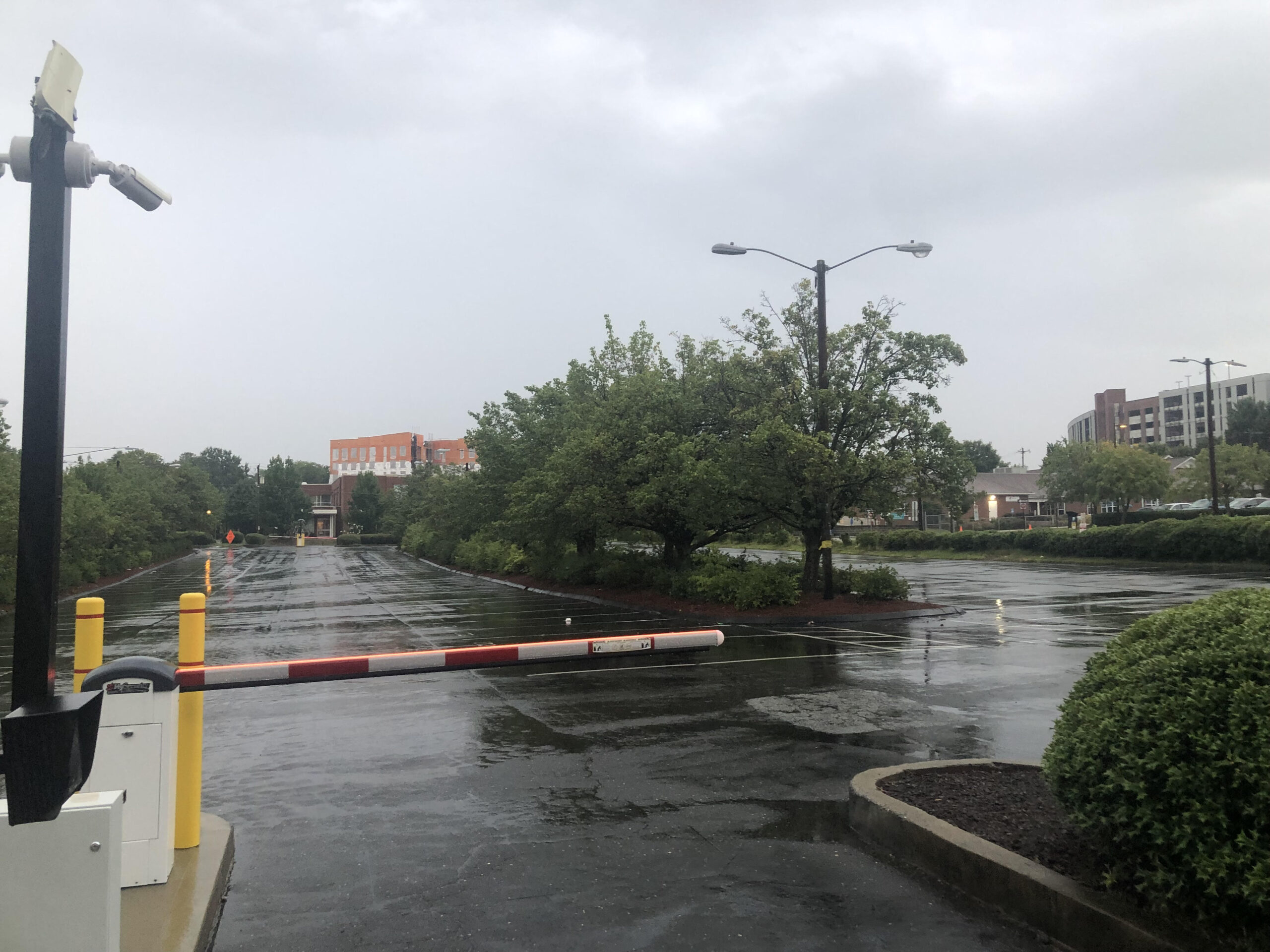
A team of students led by Dr. Jim Heffernan of the Nicholas School of the Environment, used remote imagery and object identification tools to determine changes in parking lot occupancy in the Research Triangle region during the Covid-19 pandemic’s acute and post-acute phases. Students used open-source geospatial data to select...

A team of students led by Physics professor Dan Scolnic collaborated with Duke Dining leadership to provide an in-depth, quantitative accounting of the carbon footprint of the Duke Dining program. Students used the latest research quantifying CO2 equivalent greenhouse gas emissions for various food types, meals, and sources to produce...
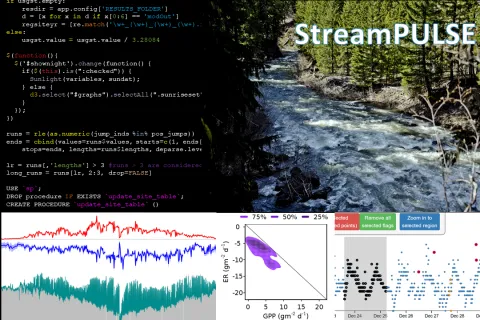
Vivek Sahukar (Masters, Data Science), Yuval Medina (Computer Science), and Jin Cho (Computer Science/Electrical & Compter Engineering) spent ten weeks creating tools to help augment the experience of users in the StreamPULSE community. The team created an interactive guide and used data sonification methods to help users navigate and understand the data, and they used a mixture...
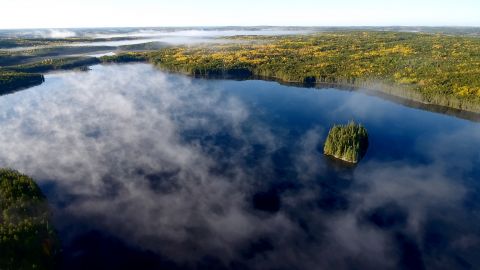
Vincent Wang (Computer Science, CE), Karen Jin (Bio/Stats), and Katherine Cottrell (Computer Science) spent ten weeks building tools to educate the public about lake dynamics and ecosystem health. Using data collected over a period of 50 years at the Experimental Lake Area (ELA) in Ontario, the team preprocessed and merged datasets, made a...
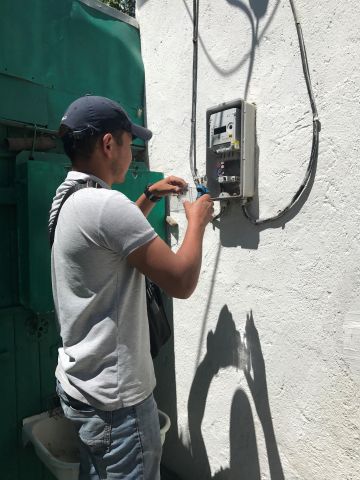
Yanchen Ou (Computer Science) and Jiwoo Song (Chemistry, Mechanical Engineering) spent ten weeks building tools to assist in the analysis of smart meter data. Working with a large dataset of transformer and household data from the Kyrgyz Republic, the team built a data preprocessing pipeline and then used unsupervised machine-learning techniques to assess...

Marco Gonazales Blancas (Civil Engineering) and Mengjie Xiu (Masters, BioStatistics) spent ten weeks building tools to help Duke reduce its energy footprint and achieve carbon neutrality by 2024. The team processed and analyzed troves of utility consumption data and then created practical monthly energy use reports for each school at Duke. These reports...

Yoav Kargon (Mechanical Engineering) and Tommy Lin (Chemistry, Computer Science) spent ten weeks working with data from the Water Quality Portal (WQP), a large national dataset of water quality measurements aggregated by the USGS and EPA. The team went all the way from raw data to the production of Pondr, an interactive and...
Varun Nair (Economics, Physics), Paul Rhee (Computer Science), Jichen Yang (Computer Science, ECE), and Fanjie Kong (Computer Vision) spent ten weeks helping to adapt deep learning techniques to inform energy access decisions. Click here to read the Executive Summary Faculty Lead: Kyle Bradbury Project Manager: Fanjie Kong

Yueru Li (Math) and Jiacheng Fan (Economics, Finance) spent ten weeks investigating abnormal behavior by companies bidding for oil and gas rights in the Gulf of Mexico. Working with data provided by the Bureau of Ocean Energy Management and ExxonMobil, the team used outlier detection methods to automate the flagging of abnormal behavior,...
Showing 1-20 of 34 results