
Data+ Projects
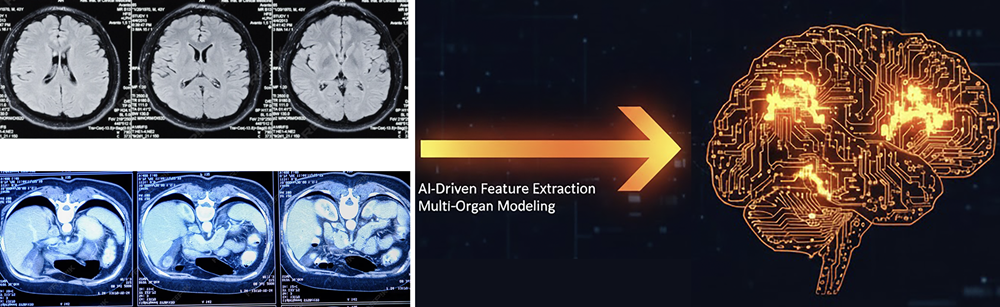
A team of students led by researchers in the Quantitative Imaging and Analysis Laboratory will use deep learning to decode the ‘neurocardiac circuits’ that link cardiometabolic health to cognitive aging. By relating heart metrics from cardiac imaging to brain data, students will identify how metabolic health modulates pathways that influence...
A team of students will collaborate with the Durham Public Schools planning department to develop and refine capacity and student assignment optimization models. This project will be a continuation of work started by the 2025 Data+ team and will allow DPS to site new school capacity in line with future...
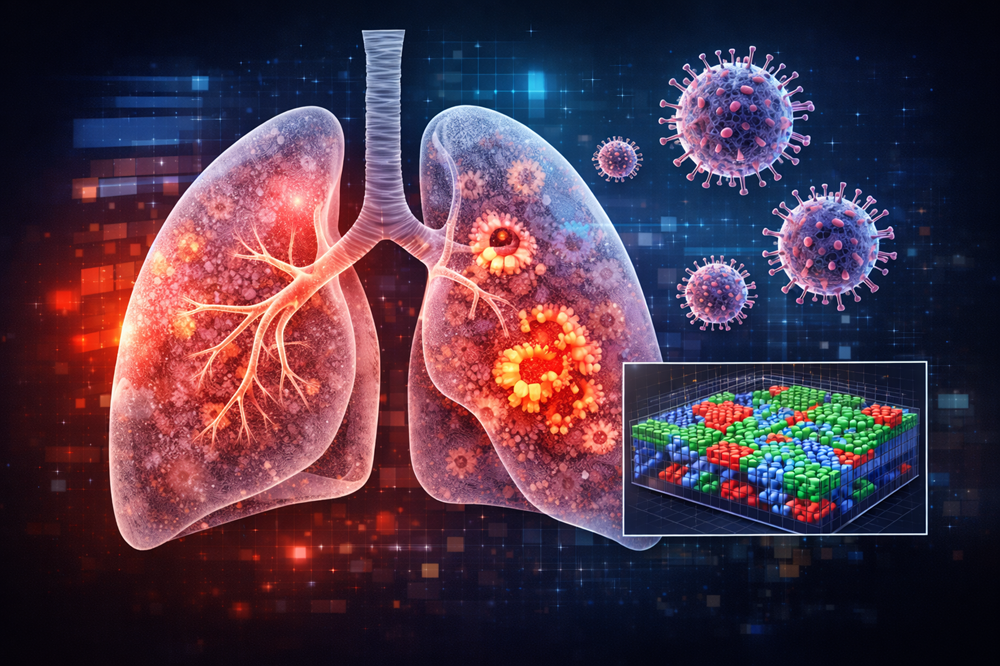
A team of students led by researchers in the Hickey Lab in Biomedical Engineering at Duke University will develop computer-based simulations to understand how influenza spreads through human lung tissue and how the immune system controls infection. Using real biological images and data from influenza-infected lungs, students will build interactive...

This project examines how high school Career and Technical Education (CTE) programs in North Carolina Community Schools connect with nearby community college certificate programs and local workforce needs, especially in rural counties. Using publicly available data from state education, workforce, and economic agencies, the study looks at whether students have...
A team of students led by Duke faculty in engineering, economics, and environmental policy will study how investments in flood protection, such as levees, stormwater systems, and nature-based solutions, affect not only flood risk, but also local property values, tax revenues, and community financial resilience. Students will combine climate, economic,...
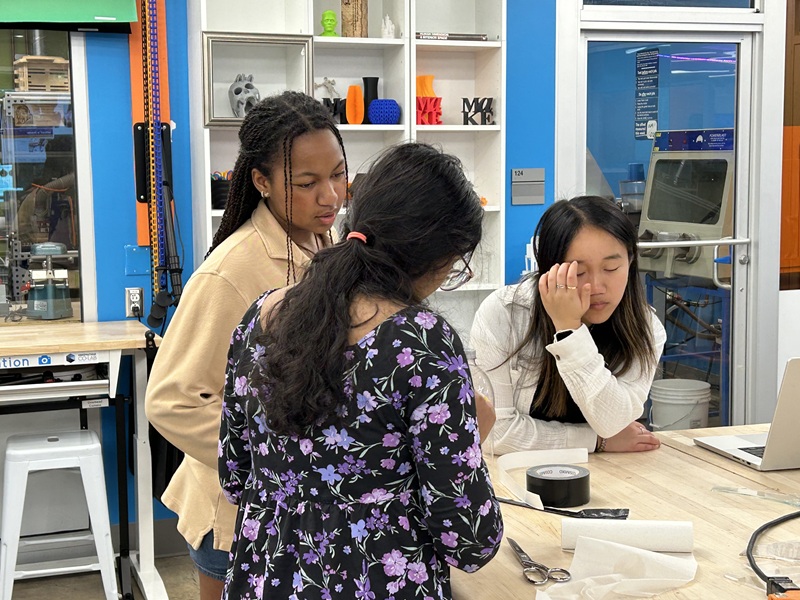
A team of students led by BME professor Megan Madonna, director of Ignite, will transform Ignite’s raw program data into a clean, multi-year database capturing attendance, engagement, retention, survey outcomes, and classroom observations from 2021 to the present. They will analyze data from the 2025–2026 implementation while expanding and standardizing...

The count of people experiencing homelessness (PEH) in the US hit a record high in 2024. Homelessness, besides its inherent harms, is associated with other injury and broader public health outcomes. As a structural driver of health, these ongoing, dynamic relationships between homelessness and health outcomes deserve robust, ongoing tracking....

The definition of community is often fuzzy at best. However, communities can have both political impacts (such as determining zones for resource allocation) and social ones (such as influencing how information and culture spread). Communities may be defined by existing political subdivisions (such as counties or municipalities), but more nuanced...

A team of students led by researchers in the Durham Public Schools planning department will analyze, map, and visualize student enrollment and demographic data in Durham County. Potential projects for next summer include working with Census and DPS data to develop models that explain DPS enrollment trends historically and across...

This is an innovative project that explores the intersection of artificial intelligence and mathematics. This initiative aims to leverage AI’s capabilities in pattern recognition and exhaustive search to tackle complex problems in discrete mathematics, such as finding counterexamples to open conjectures. By framing these mathematical challenges as computational problems, students...

Students will curate administrative data to conduct Sequence Analysis (SA), a technique used to analyze patterns in sets of categorical sequences over time. Traditional education reports often rely on cross-sectional data (e.g., proportion of students under economic disadvantage), and in tend to overlook the chronic exposure to disadvantages that longitudinal...

This team created “The Survey Navigator,” an interactive platform that helps users discover, compare, and visualize public opinion data. Led by professors Sunshine Hillygus and Alexander Volfovsky, and supported by Duke’s Polarization Lab, we will harness the power of statistics, machine learning, and AI to transform raw survey questions into...

Despite the vast amount of admissions data we collect, there is still limited understanding of what factors are most predictive of admitted students’ decision to attend Duke. Traditional yield models have focused on a small set of variables that have limited power in predicting students’ decisions, and there may be...

Students will create accessible, actionable data on climate risks and climate resilience efforts in the Milwaukee River area. By harnessing existing data sources as inputs for hazard modeling, focused on flooding, students will use techniques to account for uncertainties in inputs, providing more accurate and adaptable risk assessments for communities....
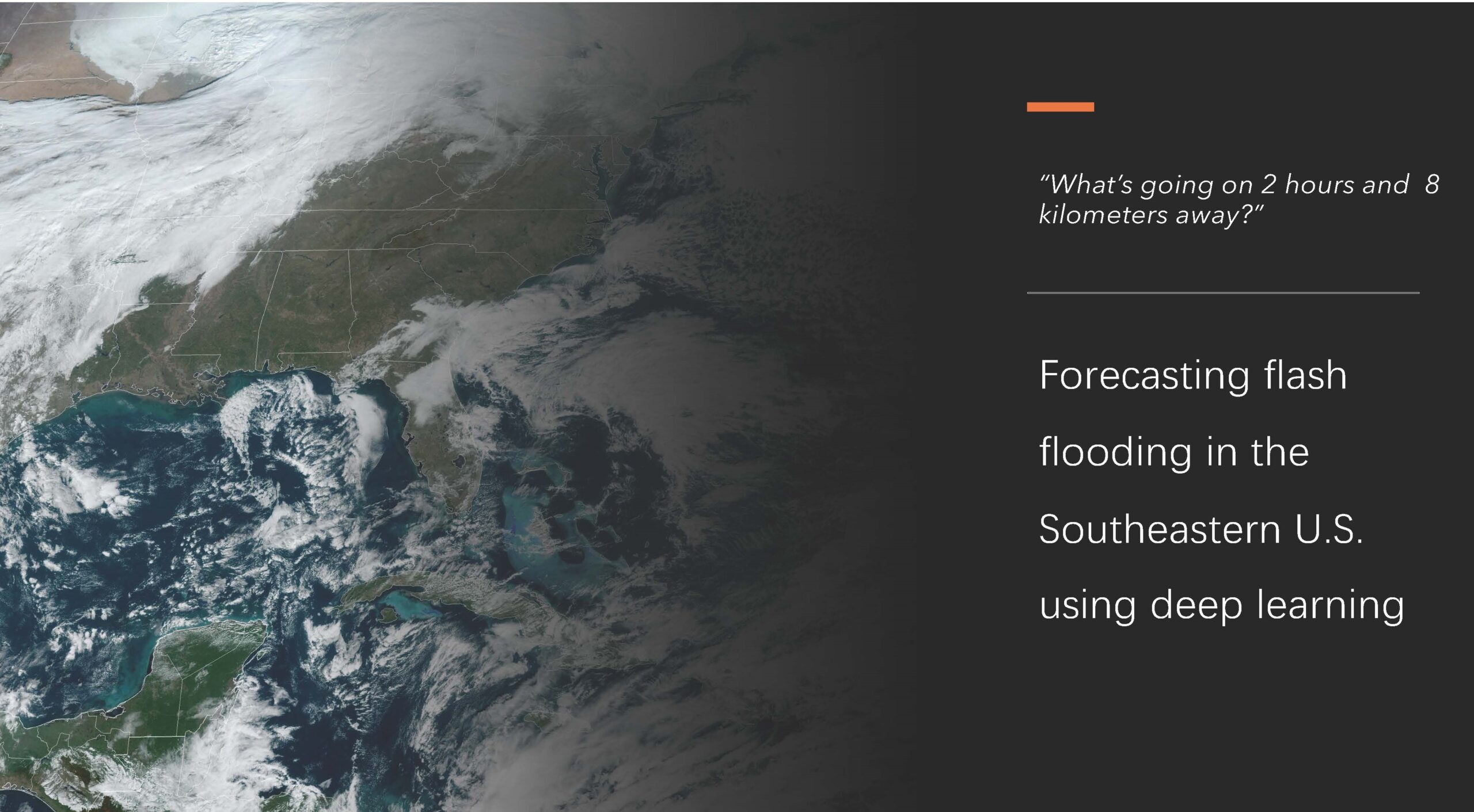
A group of students, guided by climate science and environmental engineering professors, will use deep learning models to enhance flash flood predictions in the Southeastern United States. They will study extreme weather events that contribute to flooding and learn to identify these events using satellite and radar imagery. By applying...

A multidisciplinary team of students will work at the intersection of data science, policy, and food systems to analyze critical agricultural research shaping the science of food, agriculture, and the environment in the United States. Using natural language processing and machine learning, the team will explore federal grant records to...

A team of students led by Ph.D. student Yu Wei and assistant professor Tong Qiu from the Spatial Ecology and Environmental Data Sciences (SEEDS) lab will utilize cutting-edge remote sensing technologies—including hyperspectral imagery and airborne Light Detection and Ranging (LiDAR)—combined with an advanced deep learning framework to enhance forest biodiversity...
A team of researchers associated with the Applied Machine Learning Laboratory will lead a team of students in developing novel machine learning techniques that will be used for improving brain computer interfaces (BCIs) using electroencephalography (EEG) data. Students will learn how to pre-process EEG data, extract EEG features, and train...
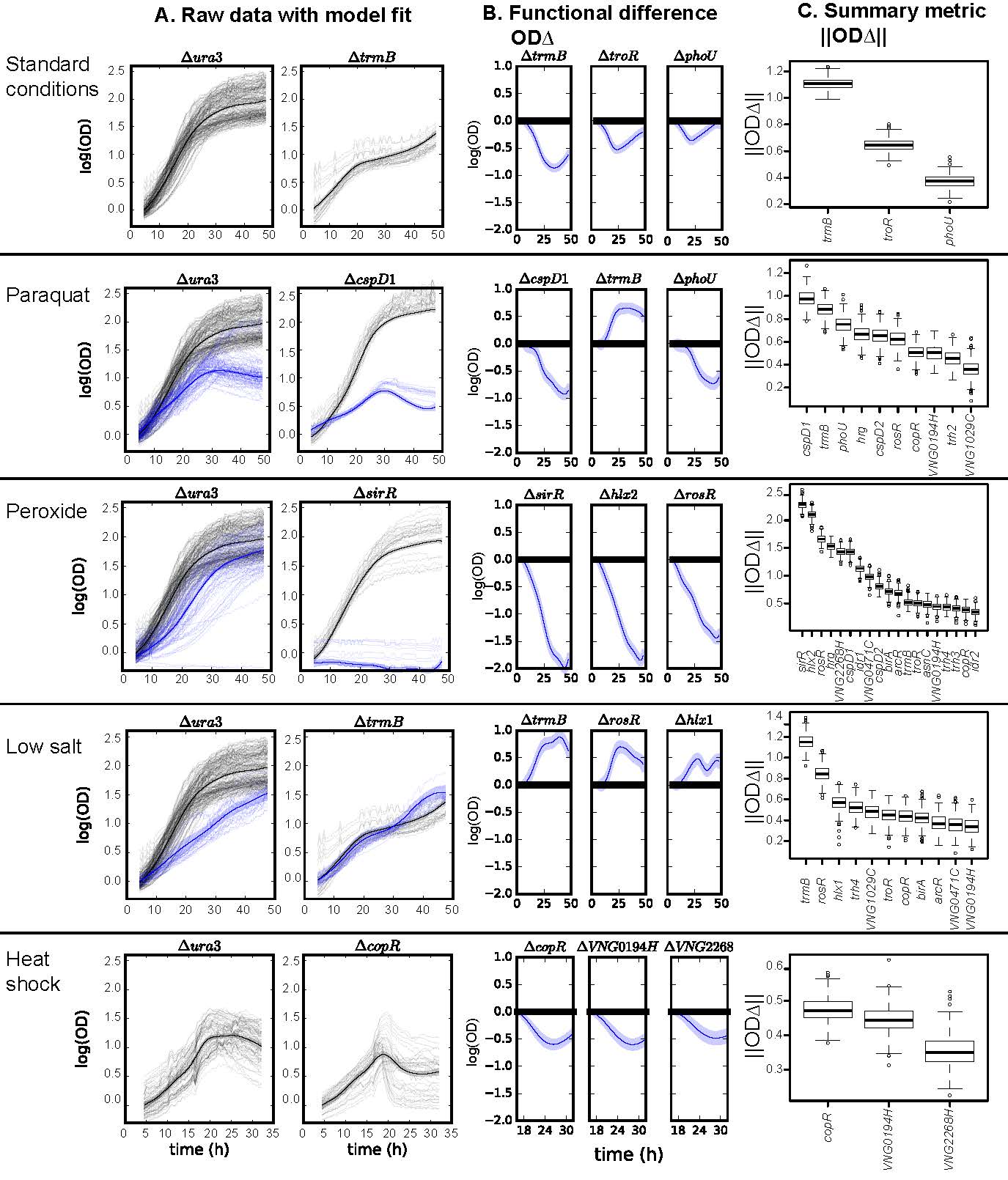
The goal of this Data+ project is to apply and extend custom analytics solutions to understand and predict microbial population growth. An explosion of data has resulted from tracking the growth of bacteria in high throughput devices. These data were generated to understand how microbes grow. Better models that fit...
The 3rd City Mortality project tracks near-real-time data about individual deaths released publicly, along with metadata including data completeness and release speed, for (N=54) US state, federal, and Washington DC prison systems. Data released is often incomplete. Students will work both with mortality data already collected by the 3rd City...
Showing 21-40 of 310 results