
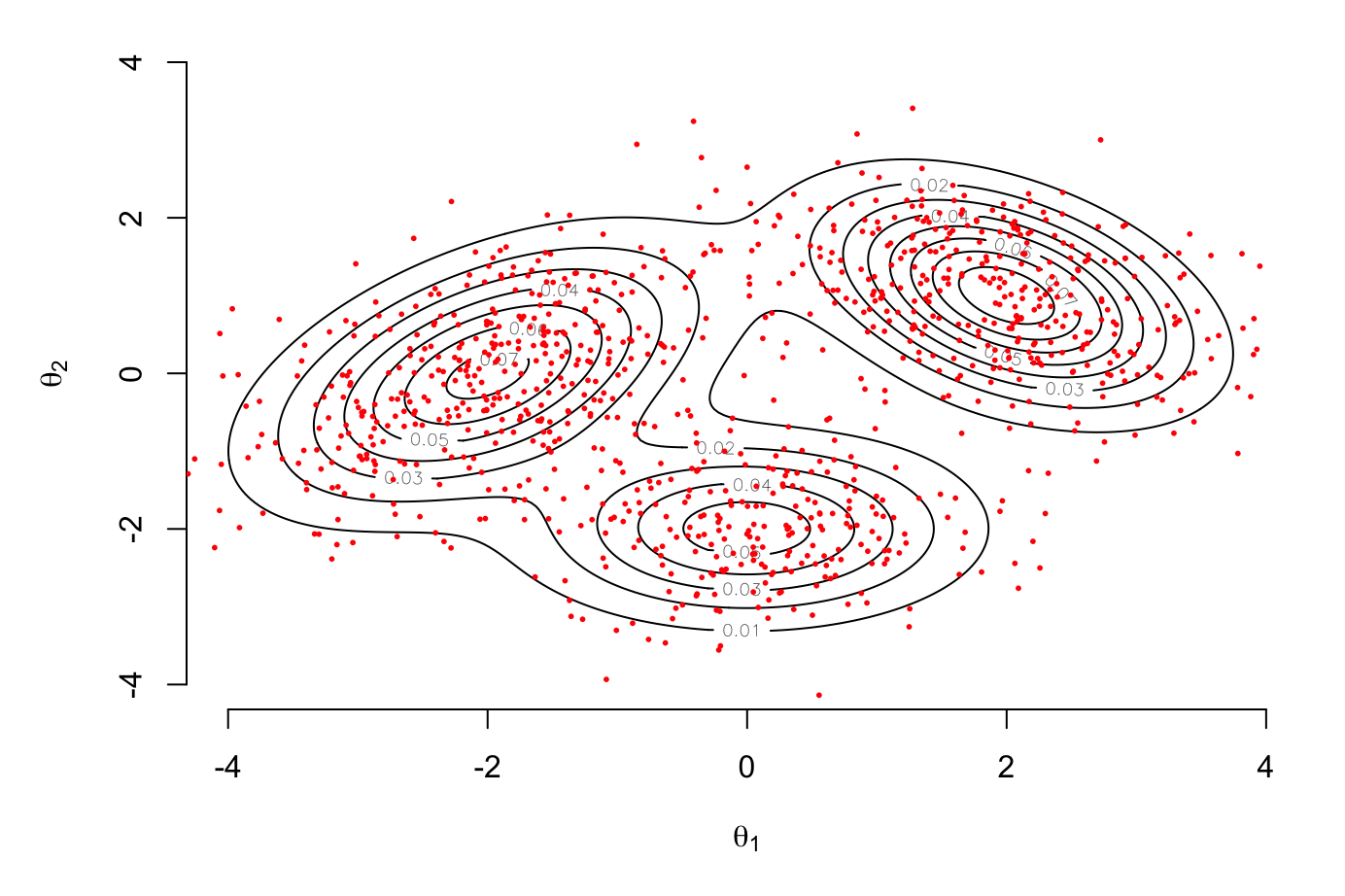
If a statistician is like a cook and a data analysis is like the meal they serve, then this project is about keeping the knives sharp. To perform a Bayesian analysis, we often generate random samples from a complicated probability distribution called the posterior. The algorithms we use to do this...
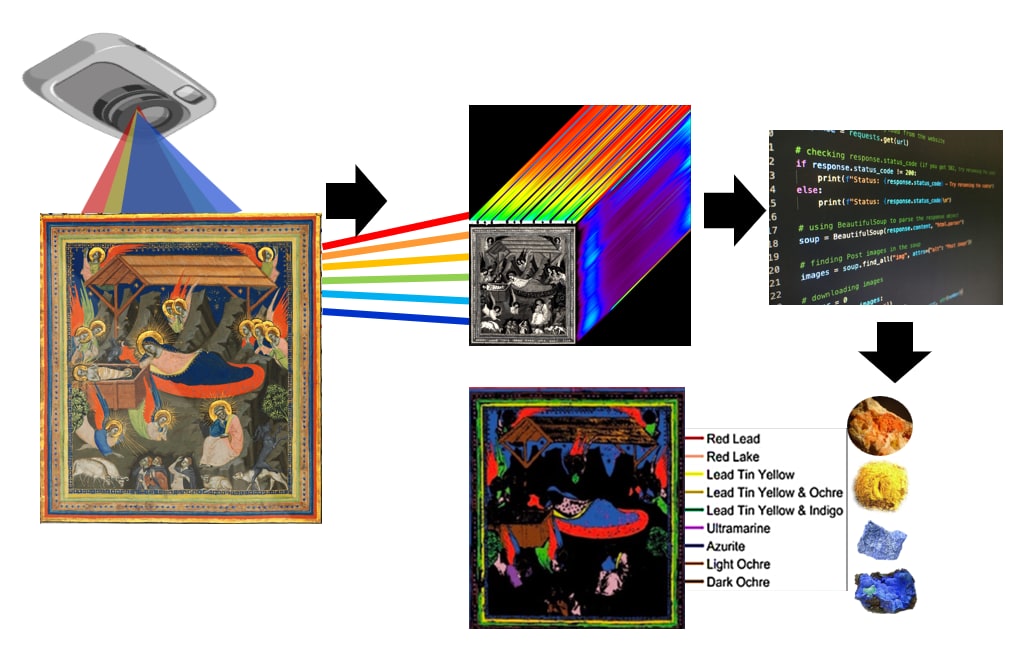
Historic artworks offer a unique window into the past, providing rich insight into history, culture, and tradition. Despite their profound significance, many works remain shrouded in mystery, raising questions about their origins, creators, and the circumstances of their production. Some of these questions can be addressed through advanced image acquisition...
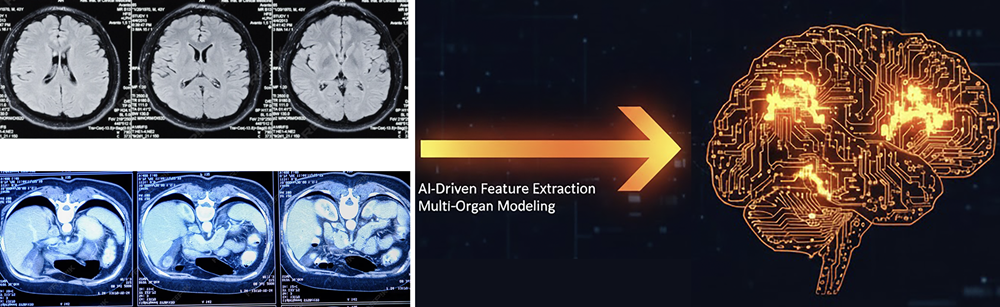
A team of students led by researchers in the Quantitative Imaging and Analysis Laboratory will use deep learning to decode the ‘neurocardiac circuits’ that link cardiometabolic health to cognitive aging. By relating heart metrics from cardiac imaging to brain data, students will identify how metabolic health modulates pathways that influence...
A team of students will collaborate with the Durham Public Schools planning department to develop and refine capacity and student assignment optimization models. This project will be a continuation of work started by the 2025 Data+ team and will allow DPS to site new school capacity in line with future...
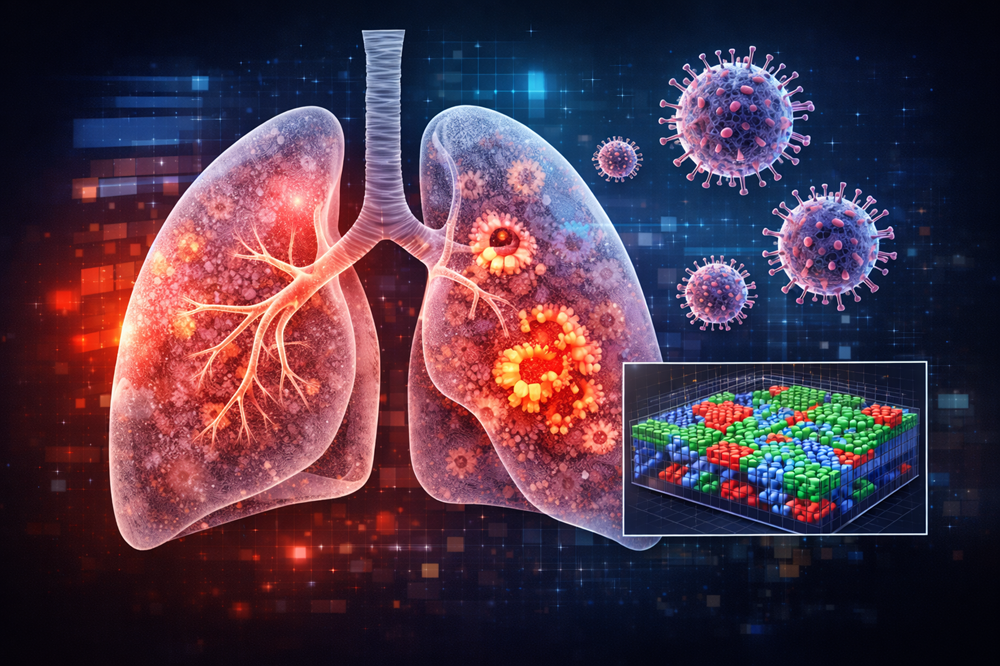
A team of students led by researchers in the Hickey Lab in Biomedical Engineering at Duke University will develop computer-based simulations to understand how influenza spreads through human lung tissue and how the immune system controls infection. Using real biological images and data from influenza-infected lungs, students will build interactive...

This project examines how high school Career and Technical Education (CTE) programs in North Carolina Community Schools connect with nearby community college certificate programs and local workforce needs, especially in rural counties. Using publicly available data from state education, workforce, and economic agencies, the study looks at whether students have...
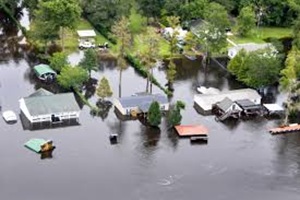
A team of students led by Duke faculty in engineering, economics, and environmental policy will study how investments in flood protection, such as levees, stormwater systems, and nature-based solutions, affect not only flood risk, but also local property values, tax revenues, and community financial resilience. Students will combine climate, economic,...
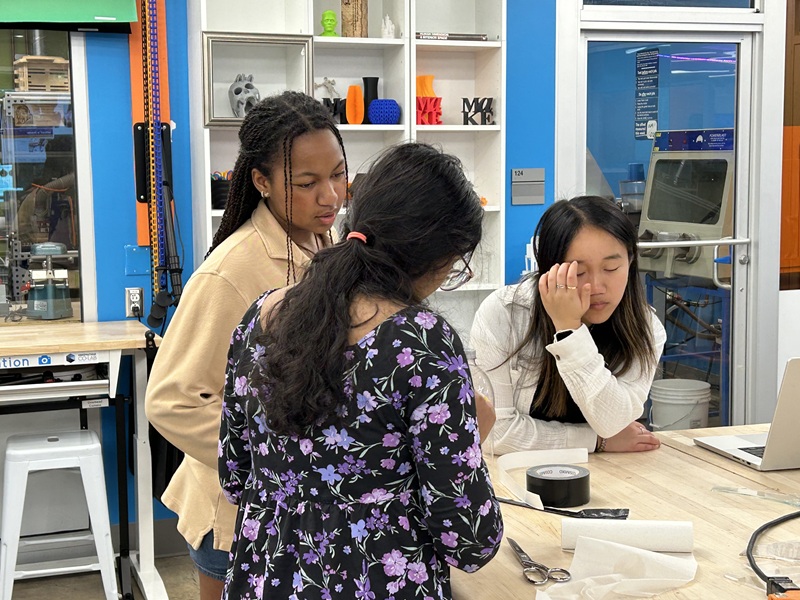
A team of students led by BME professor Megan Madonna, director of Ignite, will transform Ignite’s raw program data into a clean, multi-year database capturing attendance, engagement, retention, survey outcomes, and classroom observations from 2021 to the present. They will analyze data from the 2025–2026 implementation while expanding and standardizing...
Graduate Students: Alyvia Martinez and Danae Diaz (adapted from Granger and De La Mater 2022) Sponsoring Faculty: Dr. Stephen Nowicki Undergraduate Course: Biology 268-Mechanisms of Animal Behavior Overview: Our Data Expedition focused on introducing students to the application of circular data in regard to animal navigation. Students worked in groups...
Graduate Students: Aeran Coughlin and Richard J Wong Sponsoring Faculty: Danae Diaz Undergraduate Course: Biology 290S – 3: “Biology By Design” This data expedition focused on plant communities, ecological data exploration, quantifying diversity, linear and generalized linear models, and ordination. Prior to the data expedition, students collected field data in...

The course was designed as a Data Expedition to familiarize senior-level undergraduates with data collection and analysis. We ran the course during the lab section of BIOL 546L on the topic of hair as a mammalian adaptation. Students created testable hypotheses, compared fur/hair samples between species, and graphed their group’s...

This data expedition focused on biological senses, in particular, musicality. The students read and summarized four scientific articles in discussion groups to build their background knowledge when it comes to how humans and animals use pitch and rhythm in music, language, and songs. We then had each student use headphones...

The count of people experiencing homelessness (PEH) in the US hit a record high in 2024. Homelessness, besides its inherent harms, is associated with other injury and broader public health outcomes. As a structural driver of health, these ongoing, dynamic relationships between homelessness and health outcomes deserve robust, ongoing tracking....

The definition of community is often fuzzy at best. However, communities can have both political impacts (such as determining zones for resource allocation) and social ones (such as influencing how information and culture spread). Communities may be defined by existing political subdivisions (such as counties or municipalities), but more nuanced...

A team of students led by researchers in the Durham Public Schools planning department will analyze, map, and visualize student enrollment and demographic data in Durham County. Potential projects for next summer include working with Census and DPS data to develop models that explain DPS enrollment trends historically and across...

This is an innovative project that explores the intersection of artificial intelligence and mathematics. This initiative aims to leverage AI’s capabilities in pattern recognition and exhaustive search to tackle complex problems in discrete mathematics, such as finding counterexamples to open conjectures. By framing these mathematical challenges as computational problems, students...

Students will curate administrative data to conduct Sequence Analysis (SA), a technique used to analyze patterns in sets of categorical sequences over time. Traditional education reports often rely on cross-sectional data (e.g., proportion of students under economic disadvantage), and in tend to overlook the chronic exposure to disadvantages that longitudinal...

This team created “The Survey Navigator,” an interactive platform that helps users discover, compare, and visualize public opinion data. Led by professors Sunshine Hillygus and Alexander Volfovsky, and supported by Duke’s Polarization Lab, we will harness the power of statistics, machine learning, and AI to transform raw survey questions into...

Despite the vast amount of admissions data we collect, there is still limited understanding of what factors are most predictive of admitted students’ decision to attend Duke. Traditional yield models have focused on a small set of variables that have limited power in predicting students’ decisions, and there may be...

Students will create accessible, actionable data on climate risks and climate resilience efforts in the Milwaukee River area. By harnessing existing data sources as inputs for hazard modeling, focused on flooding, students will use techniques to account for uncertainties in inputs, providing more accurate and adaptable risk assessments for communities....
Showing 21-40 of 389 results