
2024 Projects

This data expedition focused on animal navigation, specifically the mechanisms by which organisms orient themselves in the direction they need to move. The students gathered their own orientation data using pill bugs, and in the process learned common experimental methods to test hypotheses about orientation, as well as statistical methods...

This data expedition focused on biological senses, in particular, musicality. The students read and summarized four scientific articles in discussion groups to build their background knowledge when it comes to how humans and animals use pitch and rhythm in music, language, and songs. We then had each student use headphones...

Students will analyze data on climate risk, most likely including flood risk, perhaps a combination of public data, private data, and insurance sector data for pilot communities in North Carolina. They will integrate this data with other local data sets such as critical community infrastructure (schools, hospitals) and provide visualization...

A team of students led by researchers in the Energy Access Project and the Energy Data Analytics Lab will apply machine learning techniques to high resolution aerial imagery data to identify the location of solar panels throughout Cape Town, South Africa. Currently, solar panels are being used by wealthier households...
A team of students led by researchers in the BIG IDEAs Lab will optimize and further develop an existing cloud-based infection detection platform that populates and translates wearable data from a variety of sources. The project will involve working with existing wearable data pipelines (e.g., APIs) to collect, process, and...

A team of researchers associated with the Applied Machine Learning Laboratory will lead a team of students in developing novel machine learning techniques that will be used for improving brain computer interfaces (BCIs) using electroencephalography (EEG) data. Students will learn how to pre-process EEG data, extract EEG features, and train...

A team of students led by an interdisciplinary group including statistician Fan Li, neurologist Brian Mac Grory, and physician/population health scientist Jay Lusk will integrate information from diverse real-world datasets to better understand risk factors for cardiovascular diseases such as heart attack and stroke. The team will use techniques ranging...

MISTRAL is an NSF funded project for capturing and analyzing network data for research lab environments. A team of students will work with the MISTRAL team and members of the Duke University IT Security Office (ITSO), as well as a Code+ team, to analyze and develop methods for detecting network...

A team of students will convert publicly available data, that are too unwieldy for easy use, from NC’s Administrative Office of Courts (AOC) into a database that will enable researchers, reporters and others to better understand how the civil legal system impacts North Carolina residents’ economic well-being. AOC’s civil case management system collects a...

A team of students led by Duke Forest staff as well as a faculty and postdoc from Duke’s Nicholas School of the Environment will explore, organize, and create visualizations for observation data of reptiles and amphibians—collectively known as “herpetofauna”—in the Duke Forest. This data is directly collected by Duke Forest’s...

In partnership with the Southeast Regional Coalition for University-Assisted Community Schools and the North Carolina Community Schools Coalition, a team of students will map the Rosenwald Schools across the Black Belt region of North Carolina. Students will mine for data that highlights historic assets of Black community while drawing correlations...

Is it ethically permissible to sell, buy, and use luxury goods? What labor practices do we tolerate to make these goods available? This project traces the early history of these questions as European powers started to exploit the natural resources and peoples of the New World. We want to trace...
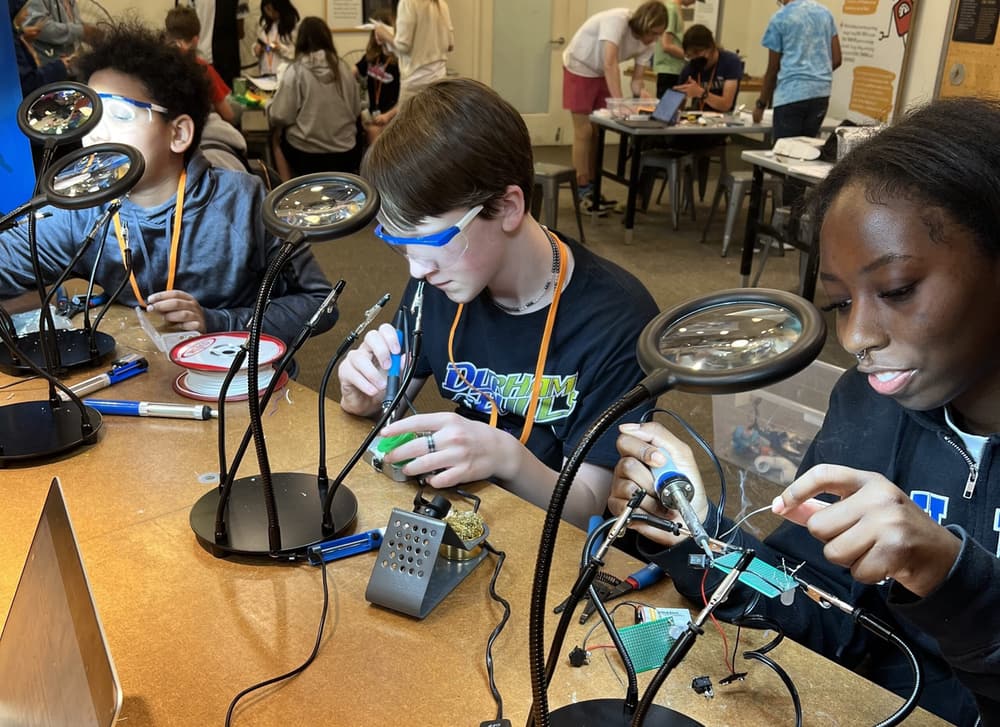
A team of students led by Biomedical Engineering Professor Megan Madonna and the Center for Global Women’s Health Technologies will develop methods to explore how middle and high school students become excited about engineering and STEM. Our team will evaluate and quantify the initiation and progression of engineering and STEM-identity...

A group of students led by professors of climate sciences and stochastic analysis will use climate models to improve the projected rainfall over the southeastern United States. Students will learn about the climate processes that influence precipitation, flooding, and droughts, as well as how to improve model capability to predict...

Alzheimer’s alters brain connectivity beyond local regions. Understanding necessitates a shift from dyadic to higher-order relations naturally expressed in the language of algebraic topology. Led by professors of Computer Science and Neurology, Dr. Tananun Songdechakraiwut, Dr. Michael Lutz, and Dr. Jian Pei, an interdisciplinary team of students will investigate intricate...

This team, now in its 6th year, will examine a rich new dataset to glean insights about the programs and services offered during incarceration at the Durham County Detention Facility (DCDF). The team will clean and explore the new data set and combine it with existing data sets of bookings...

Led by researchers from Duke University and Duke Kunshan University, a team of students will embark on an interdisciplinary research journey to explore the dynamic intersection of environmental science and machine learning, engaging in the recognition of wetland plant species through the analysis of satellite image time series. Students will...
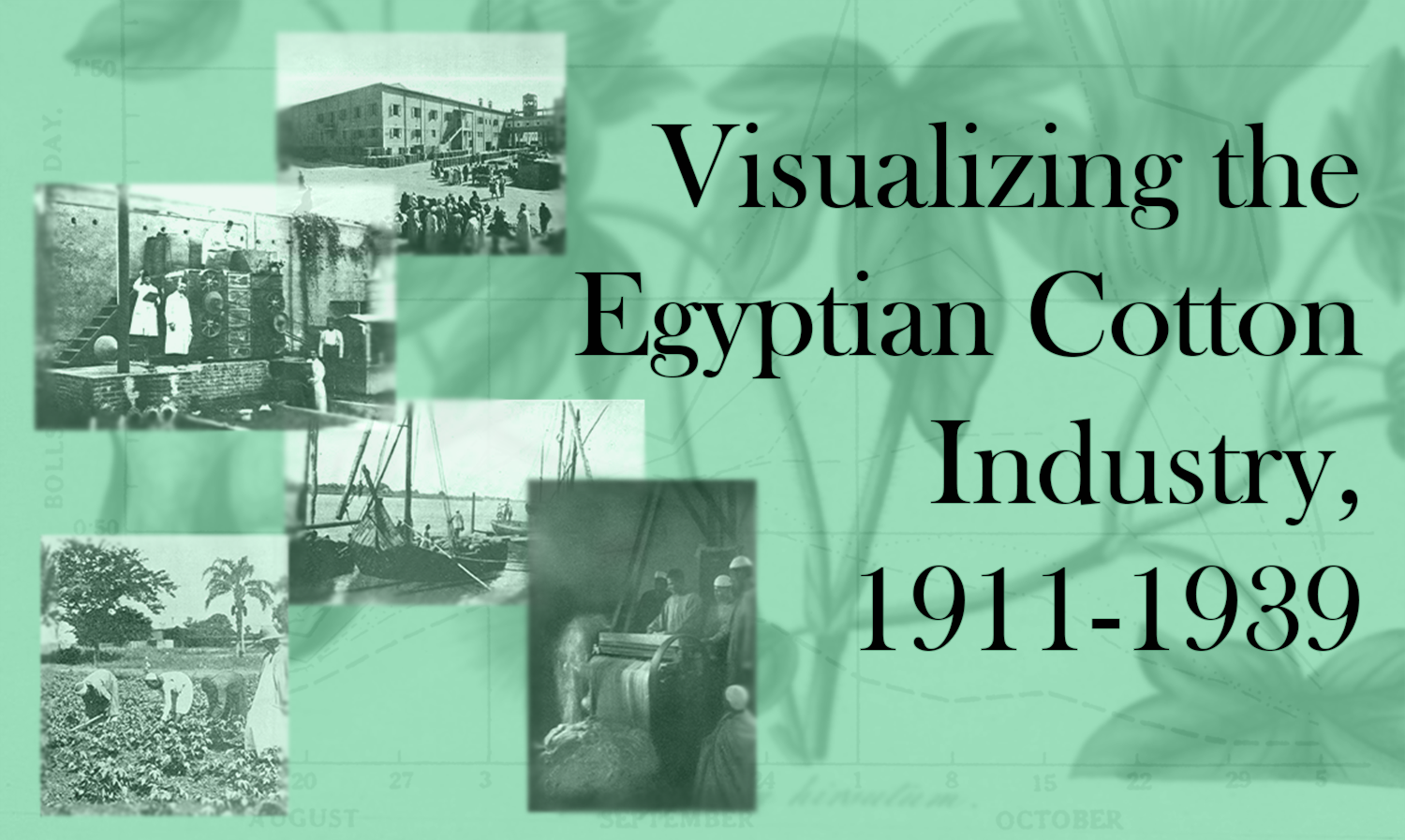
Our project will see a team of students digitize, curate, and host a wide-ranging historical dataset pertaining to the Egyptian cotton industry over the course of the interwar period and Great Depression. Students will apply Optical Character Recognition (OCR) tools to English and Arabic statistical sources ranging from government journals...

In collaboration with Duke’s River Center, a team of students will use remote sensing, in-situ water quality data, and machine learning algorithms to detect saltwater intrusion in coastal rivers. As sea levels rise, coastal waterways will become increasingly saline, threatening freshwater biodiversity and ecosystem services. Students will develop a harmonized...

A team of students led by researchers in Energy Materials and Machine Learning groups, supervised by Prof. Olivier Delaire and Prof. David Carlson, will develop means to evaluate and quantity motions of atoms in novel materials for energy conversion and energy storage. This project will advance our understanding of two...
Showing 1-20 of 28 results